Accuracy in automotive painting calls for an environment that lacks tiny contaminants. A lone particle can damage a glossy finish, which results in expensive rework and waste of materials. Dealing with the challenges of industrial filtration demands solid technical knowledge and a dependable supplier. Healthy Filters serves as a top worldwide provider in this area, delivering tailored solutions built to meet the tough needs of automotive production lines. Their company culture focuses on fresh ideas and strict quality checks, which helps distributors and makers around the globe to secure ideal coating outcomes. Their dedication to high standards makes sure that each filtration part supports a smooth, effective manufacturing setup.
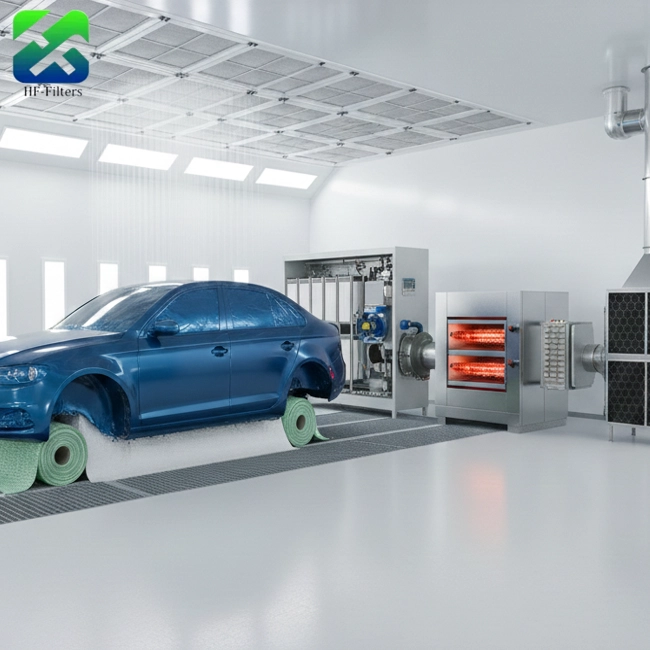
Critical Role of Air Filtration in Automotive Painting
The standard of an automotive paint application ties closely to the cleanliness of the air inside the spray booth and drying oven. Keeping a managed atmosphere goes beyond simple comfort, as it stands as a key technical need to avoid surface flaws and protect the strength of paint layers.
Contamination Impact on Paint Quality
Particles in the air, including dust, fibers, and metal bits, lead to clear defects like “seeds” or “fish eyes” on vehicle bodies. Such issues require grinding and fresh coats, which raise worker expenses and delay the production schedule. Strong filtration catches these particles before they touch the fresh paint, so it prevents those problems from happening.
Importance of Precision Airflow Control
Steady airflow direction and speed matter greatly to move excess spray from the vehicle to the exhaust setup. Suitable filtration materials make sure air spreads evenly through the booth, which avoids uneven motion that might stir up dust. This even “laminar flow” builds a steady setting where paint can apply smoothly.
Compliance with Industrial Safety Standards
Industrial painting deals with unstable chemicals and thin mists that create fire hazards and health threats. Quality filters cut these dangers by stopping the pile-up of burnable residue in exhaust paths. Certified filtration parts help facilities follow rules on emissions and worker protection, which keeps operations safe and legal.
Ensuring Pristine Air Intake with Multi-Stage Pre-Filtration
The initial barrier in a painting line is the intake filtration unit, which processes big amounts of outside air. A multi-stage method shields delicate later parts and lengthens the service time of the whole system.
Synthetic Fiber Pocket Filters for High Dust Capacity
To manage heavy loads of particles, Synthetic Fiber Pocket Filters provide a broad area for air contact. These units grab a lot of dust while keeping airflow resistance low, and their pocket shape supports deep particle buildup, which helps the system run well during service gaps.
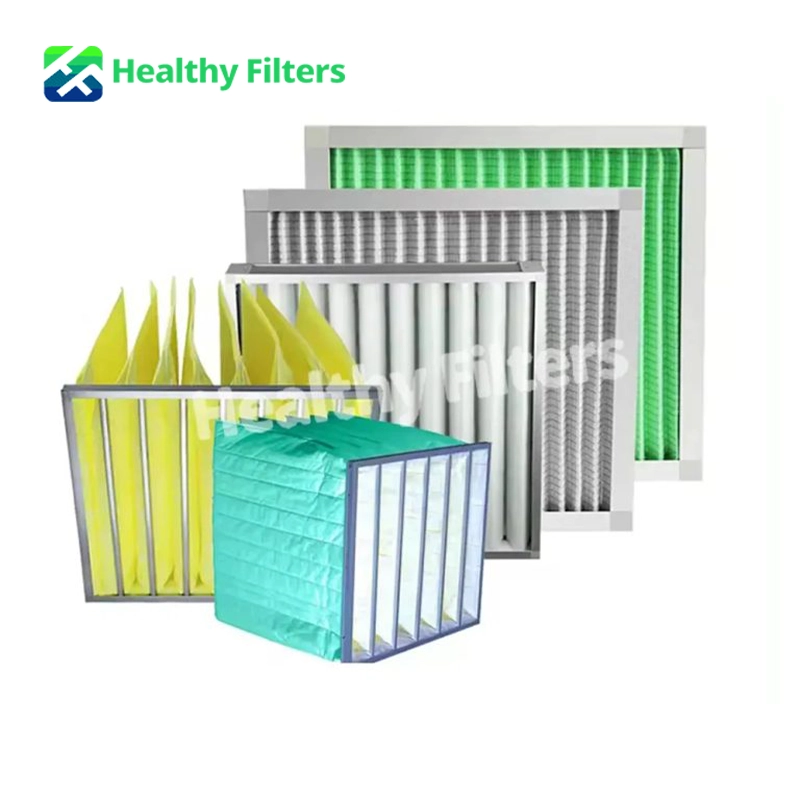
Efficiency Grades from G3 to F9 for Versatile Protection
Based on local air conditions, options run from rough G3 units to detailed F9 types. Basic levels serve as early traps for big debris, whereas advanced ones like F7 or F8 block smaller bits that might slip past simple barriers. This layered setup guarantees that only clean air arrives at the end-stage filters.
Durable Aluminum Frames for Industrial HVAC Reliability
Tough settings need parts that endure ongoing shakes and strong pressure. Units with firm aluminum frames offer the needed strength to avoid air leaks or structural breaks. These frames resist rust, so they suit the damp air in major HVAC systems.
Optimizing the Spray Booth Environment for Flawless Finishes
The spray booth needs custom materials that filter air and guide its path near the vehicle. Choices for ceiling and floor layers decide if paint stays pure or picks up spray residue.
High Temperature Fiberglass Ceiling Filters for Laminar Flow
At the last air-cleaning step before the booth, High Temperature Fiberglass Ceiling Filters act as the common choice. These filters employ a building density pattern to seize the tiniest leftover particles, and they work to calm air eddies, which creates a gentle downward stream that keeps the paint area spotless.
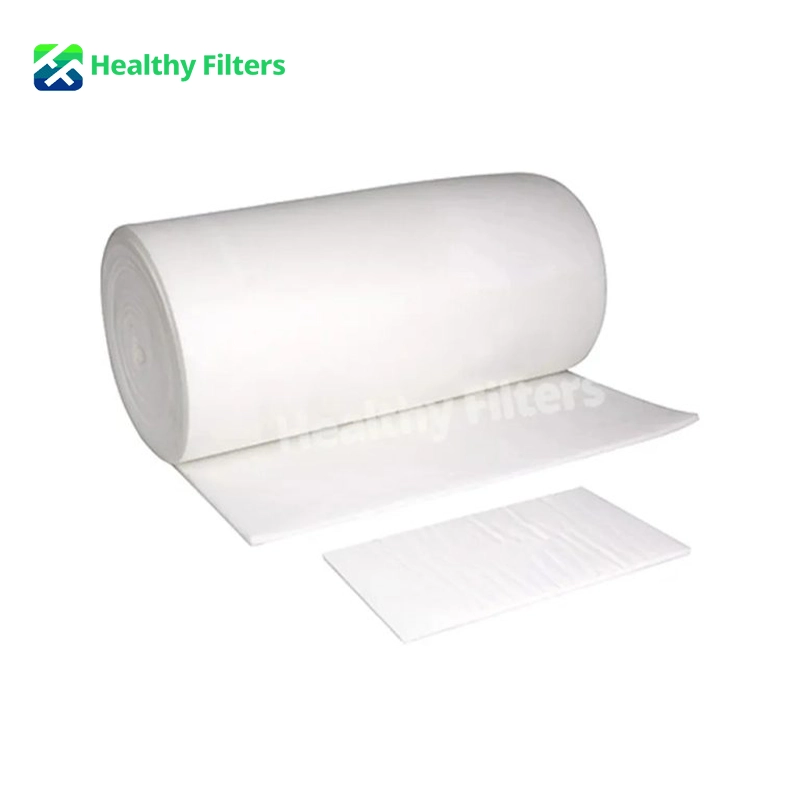
Retardant Materials for Enhanced Operational Safety
Protection ranks high in zones with solvent paints. Top ceiling filters receive fire-resistant treatments to stop them from fueling any ignition source. This safeguard proves crucial for a safe workspace and meeting fire rules.
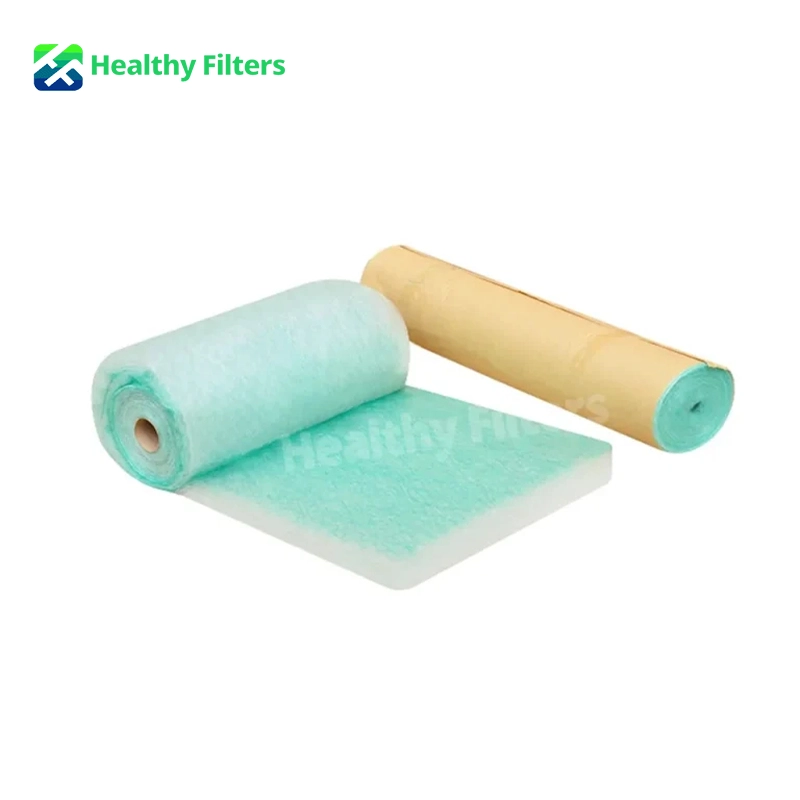
Paint Room Stop Filter Media for Overspray Containment
Handling missed paint holds as much weight as incoming air. Paint Room Stop Filter layers go in floor sections to grab thick paint drops. These fiberglass rolls feature tall fibers to block paint from forming a crust that clogs flow too soon.
Maintaining Purity in High-Temperature Curing and Drying Ovens
Once paint goes on, the vehicle enters the curing oven where heat climbs sharply. Filtration here must resist intense warmth without giving off gases or fibers that harm the setting paint.
High Temperature HEPA Industrial Filters for Sterile Curing
During baking, a High Temperature HEPA Industrial Filter clears particles from the cycling warm air. These builds handle heat up to 250℃ or more, based on the model, and they block burned dust or metal pieces from reaching the drying area.
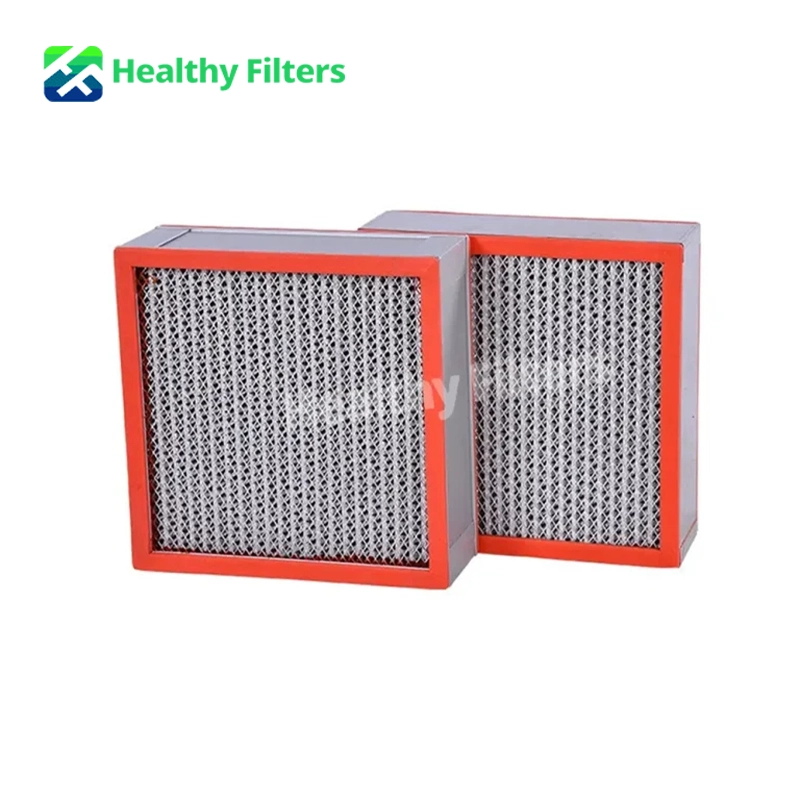
H14 Efficiency Glass Fiber Media for Micro-Particle Removal
H14 grade materials deliver 99.99% capture for bits down to 0.3μm. The glass fiber resists heat naturally and holds up under repeated heat shifts. Such cleanliness matters for top vehicle coatings, where tiny marks fail standards.
Robust Deep-Pleated Design with Aluminum Separators
For fast-moving hot air, these filters use a deep-fold layout backed by aluminum dividers. This setup stops the media from folding or waving in pressure. The dividers let the full glass fiber area work, which boosts filter durability in oven heat.
Implementing Effective VOC and Odor Control for Environmental Compliance
The end of painting treats exhaust air before outdoor release. Trapping vapors and smells supports eco-care and rule-following.
Activated Carbon Panel Filters for Gaseous Contaminant Adsorption
To clear solvent fumes, an Activated Carbon Filter works best. These panels rely on open carbon bits to pull in gas molecules via adsorption, which leaves outgoing air without dangerous chemical levels.
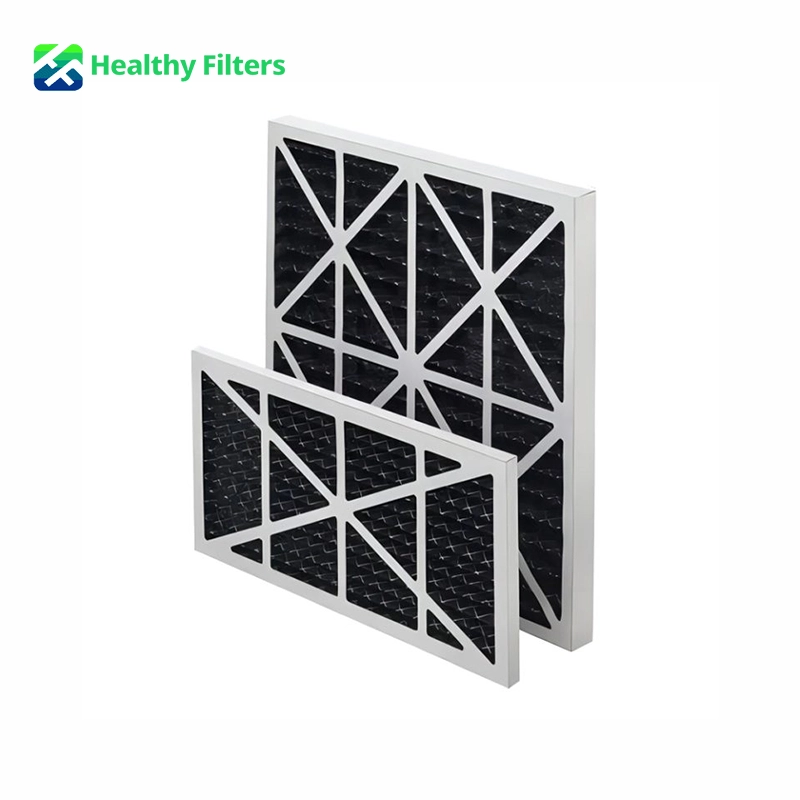
Advanced Solutions for VOCs and Smoke Removal
Vehicle paints give off Benzene, Toluene, and Xylene, or VOCs. Custom carbon types target these organics well, and they also clear smoke plus sharp scents from hot curing. Such tools handle the full range of exhaust issues.
Low Resistance Design for Long-Lasting Exhaust Performance
Exhaust cleaning should not overload fan units. Strong carbon panels balance high gas capture with small air pressure loss. This setup lets ventilation run smoothly and extends time before swaps.
FAQ
Q1: How often should I replace the Paint Room Stop Filter?
A: You should typically replace floor filters every 40 to 60 hours of spray time, or when the pressure drop increases to a level that restricts proper booth ventilation.
Q2: Can I use standard HEPA filters in my drying oven?
A: No, you must use specialized high-temperature HEPA filters because standard filters use adhesives and gaskets that will melt or off-gas at curing temperatures, potentially ruining the paint.
Q3: What is the benefit of a “progressive density” ceiling filter?
A: Progressive density means the fiber structure gets tighter toward the air-exit side, allowing the filter to trap larger dust deep within the media and smaller particles at the surface, which prevents premature clogging.
Q4: Do activated carbon filters remove dust?
A: While they can catch some dust, their primary purpose is molecular filtration of gases and odors; you should always place a pre-filter before the carbon filter to prevent it from getting clogged with particles.
Q5: Why is aluminum used for the frames of high-temperature filters?
A: Aluminum is used because it has a high melting point, excellent structural strength, and it does not shed particles or rust when exposed to the high-velocity hot air found in industrial ovens.