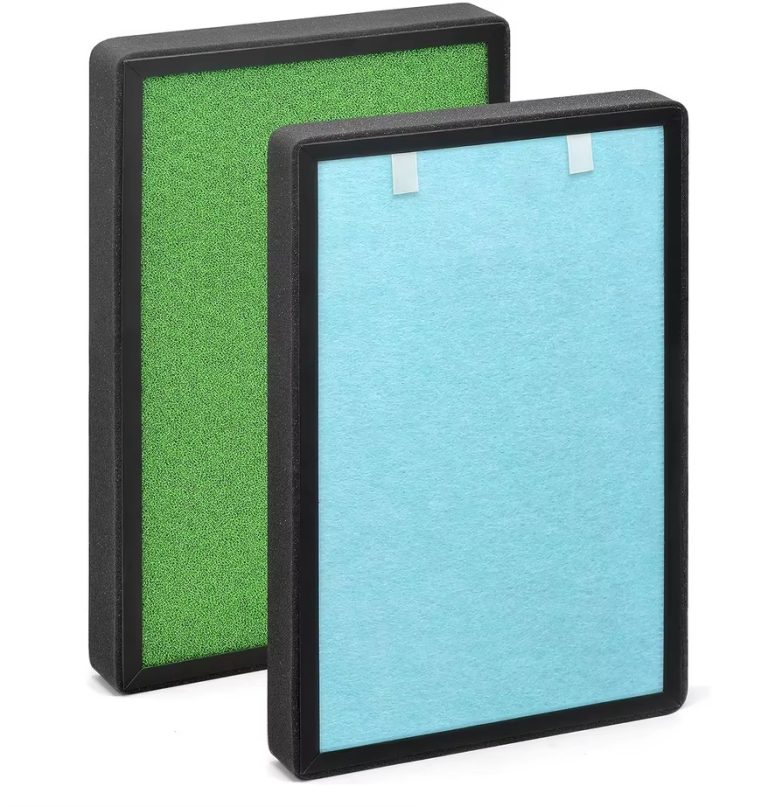
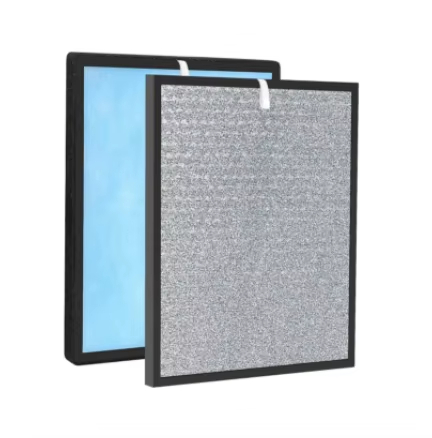
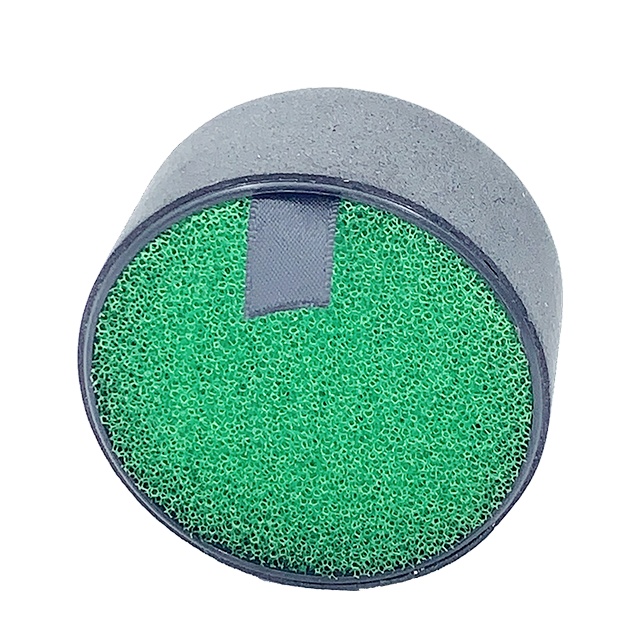
Photocatalyst filters use a catalytic surface intended to operate with a suitable light source inside an air-purifier system. They are not passive substitutes for every carbon or particle filter. Performance depends on catalyst formulation, light wavelength and intensity, airflow, contact time, humidity, contaminant type, and the geometry that exposes the media to light. The filter also needs a structure that fits the purifier without blocking the lamp or creating excessive resistance. Buyers should provide the appliance layout, light-source details, target gas or odor, filter dimensions, airflow, expected operating conditions, and the validation method for the completed unit. If the design combines a photocatalyst stage with HEPA or carbon media, include the full layer order and spacing. Proceed only after confirming the purifier provides the light exposure required by the proposed catalytic surface. Any statement about VOC decomposition, microbial reduction, by-products, or service life should be limited to results verified for the exact purifier and test conditions.
How to Select Photocatalyst Air Purifier Filters
- Catalyst media and supporting structure
- Light wavelength, intensity, and exposure geometry
- Target contaminant and airflow
- Humidity, contact time, and layer order
- Finished-appliance test protocol
Related categories: Formaldehyde Removal Filters, Air Purifier Carbon Filters, Air Purifier Replacement Filters.