
Finding a balance between very clean air and running costs stands as the key issue in current semiconductor and IC substrate production. Precise manufacturing lines need steady Class 10 or Class 100 settings, since one tiny particle below a micron can cause major production losses. As a specialist in filtration, Healthy Filters is a leading maker of modern air cleaning systems. They offer a full set of cleanroom solutions that focus on both air quality and power use. Their corporate culture relies on fresh ideas in technology and service to customers, so your plant can follow strict worldwide rules while cutting down on power over time. When you add their strong filtration tools, you safeguard your huge investments and create a greener production process.
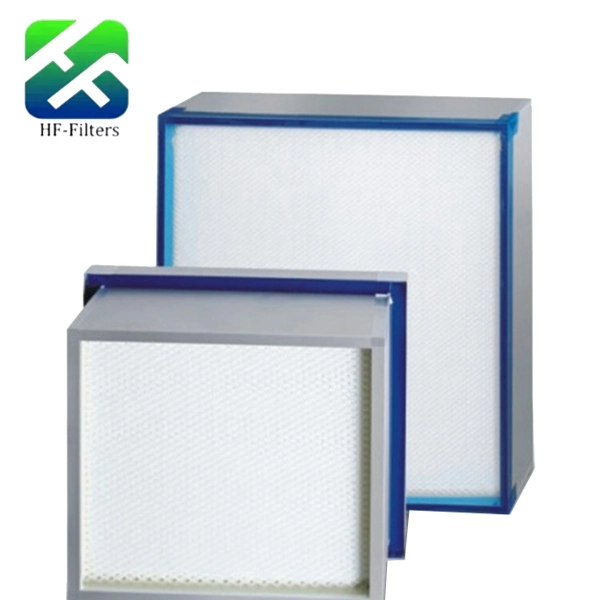
The Critical Link Between Filtration Efficiency and Energy Sustainability
Power use in semiconductor plants depends a lot on the pressure inside air handling units and Fan Filter Units (FFU). Strong filtration removes small dirt particles, but old deep-pleat filters often build up high static pressure that makes fan motors run harder. You need to check the full ownership cost by going past the first buy price to the steady electricity bills from air blockage.
Rising Energy Costs in IC Substrate Manufacturing
Semiconductor factories run around the clock, so electricity forms the biggest ongoing cost. IC substrate processes demand high air exchanges to keep areas free of particles, which calls for nonstop fan energy. A bigger pressure drop in filters links directly to more kilowatt-hours used, and it adds extra load to the cooling setup.
Impact of Filter Pressure Drop on FFU Power Consumption
Regular filters with high starting resistance put stress on FFU motors, and this lowers the whole system’s output. Dealing with air resistance takes up a large part of cleanroom bills all year. When you cut the resistance in the filter group, it lessens the heat from fan motors, which also saves on cooling expenses later.
Balancing H14 Purity Levels with Low Resistance Airflow
H14 filters give 99.995% effectiveness against particles as small as 0.3 microns, serving as the standard for today’s semiconductor protection. New pleating methods let you achieve high cleanliness without blocking airflow or needing high fan speeds. If you pick filters that follow ISO 14644-1 rules, you meet standards and control the plant’s energy needs.
Advanced Mini-Pleated Technology for Optimized Airflow Performance
Mini-pleat design marks a big step forward in filtration by using plastic spacers rather than heavy metal dividers. This setup packs more filter material into a small frame, which slows the air through the material. With a Mini pleated HEPA filter, you get even air flow and much less pressure loss.
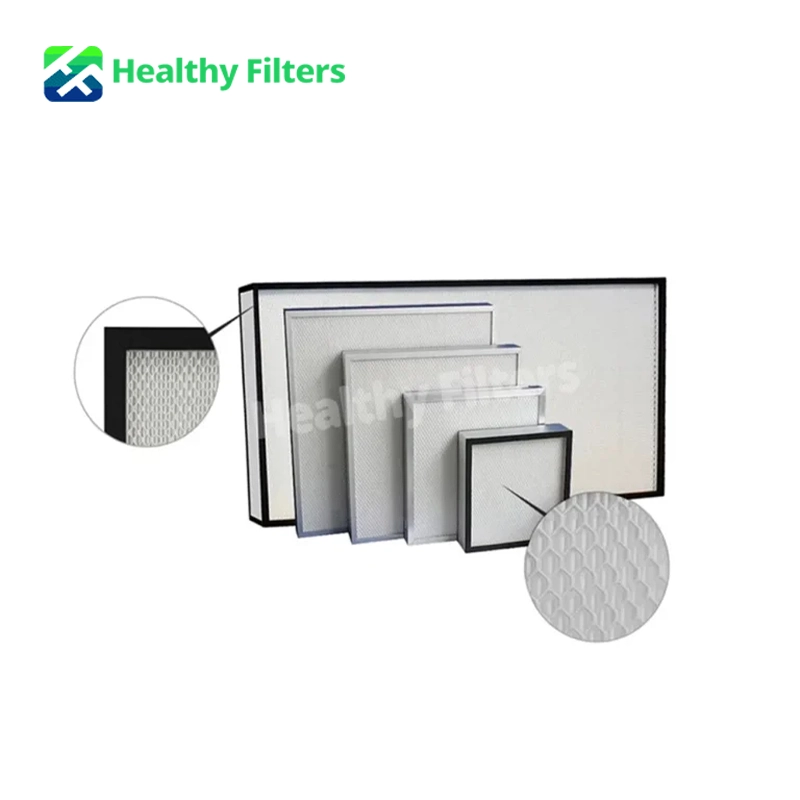
Superior Surface Area of Mini-Pleated HEPA
The V-bank or flat mini-pleat build increases the working filter space in a tight area. Plastic beads keep pleats evenly spaced, which supports smooth airflow and avoids rough spots. These small designs fit more material per inch than old deep-pleat types, so they make better use of the filter space.
Reduction in Operating Costs via Low-Pressure Drop Designs
Less air resistance means fans can operate at slower speeds, yet still keep the needed air speed in the cleanroom. Lower drag in the filter material saves a lot of power over many hours in nonstop settings. The strong material holds low resistance as it traps dust, which keeps power bills steady.
High Dust Holding Capacity for Extended Service Life
More filter area lets the unit hold dust longer before hitting its max pressure point. Longer change times cut down on waste from materials and work costs for swaps. The tough build keeps the filter shape and performance strong through its full use period.
Leak-Free Integrity with Gel Seal Filtration Systems
In key spots of IC substrate work, like light etching and wafer steps, standard seals can break from shakes or poor fit. You can avoid air leaks by choosing liquid seal methods. A Gel sealing HEPA filter makes sure all air goes through the material, not past the edges, for a tight block better than old rubber seals.
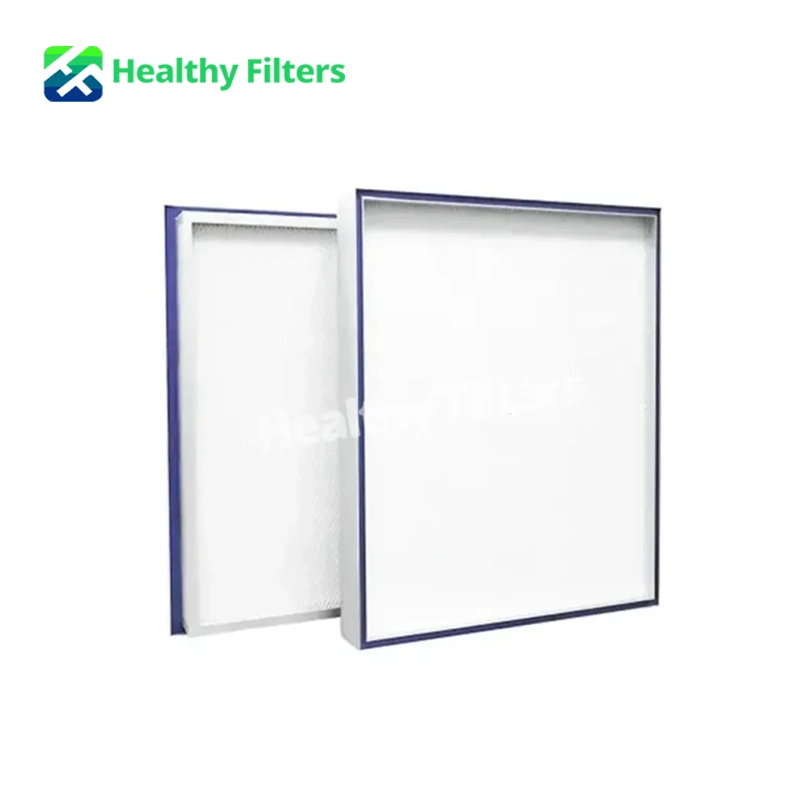
Enhanced Protection with Gel Sealing HEPA
The blue gel forms a lasting tight seal between the filter and holder, stopping tiny leaks. This liquid type adjusts for small flaws in mounts or frames. Gel seals stay soft and flexible over time, so they block leaks even where vibrations are strong.
Benefits of Anodized Aluminum Alloy Frames in Clean Environments
Anodized aluminum fights rust and sheds no particles, keeping the air stream pure. Light frames ease setup and upkeep for teams during big filter jobs. Strong builds stop bending from high air push or heat changes.
Superior Airtight Reliability of MERV 18-20 Gel Seal Filters
MERV 18 to 20 levels offer the top efficiency for tiny particle control in advanced chip packing. Liquid seals are key to match Class 10 cleanroom rules and block side air. Gel systems make checks and proofs easier in audits, since the seal stays even.
Specialized Solutions for High-Temperature and Chemical Processes
IC substrate steps include harsh heat and chemical parts that wear out normal filters fast. Baking ovens and coating lines need materials that handle heat or fight bad vapors. For hot tasks, The high-temperature HEPA filter uses glass fiber and heat-proof seals to keep air clean up to 250°C.
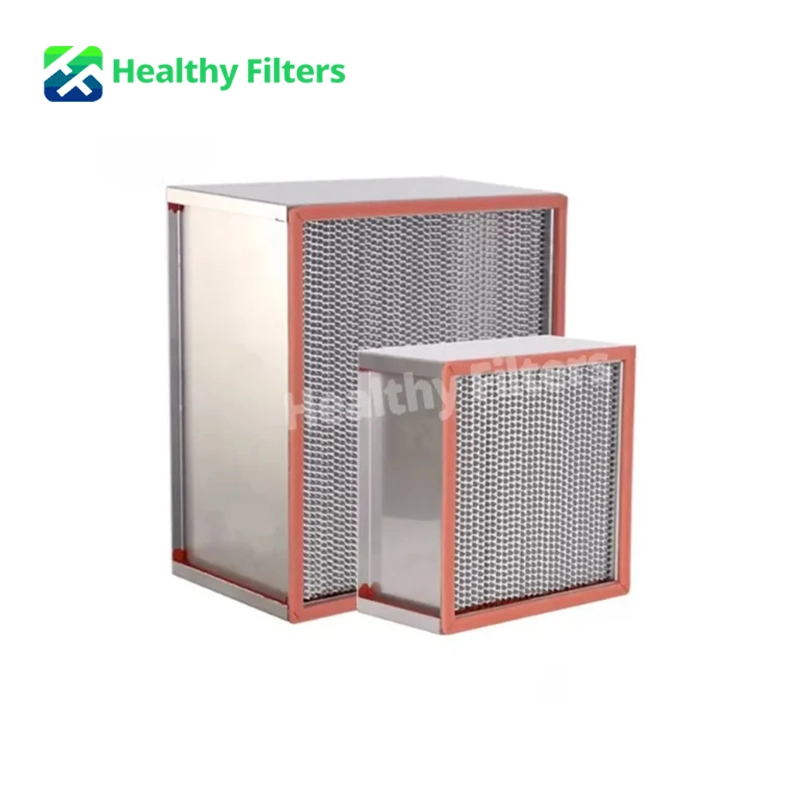
Heat-Resistant Glass Fiber HEPA for Curing Ovens
Glass fiber material resists fire by nature and keeps filtration power in hot conditions. Special heat gaskets stop seal breaks during oven heat ups and downs. Steel or heat alloy frames avoid rust and metal dirt in the air.
Odor Removal via Metal-Backed Pleated Carbon Filters
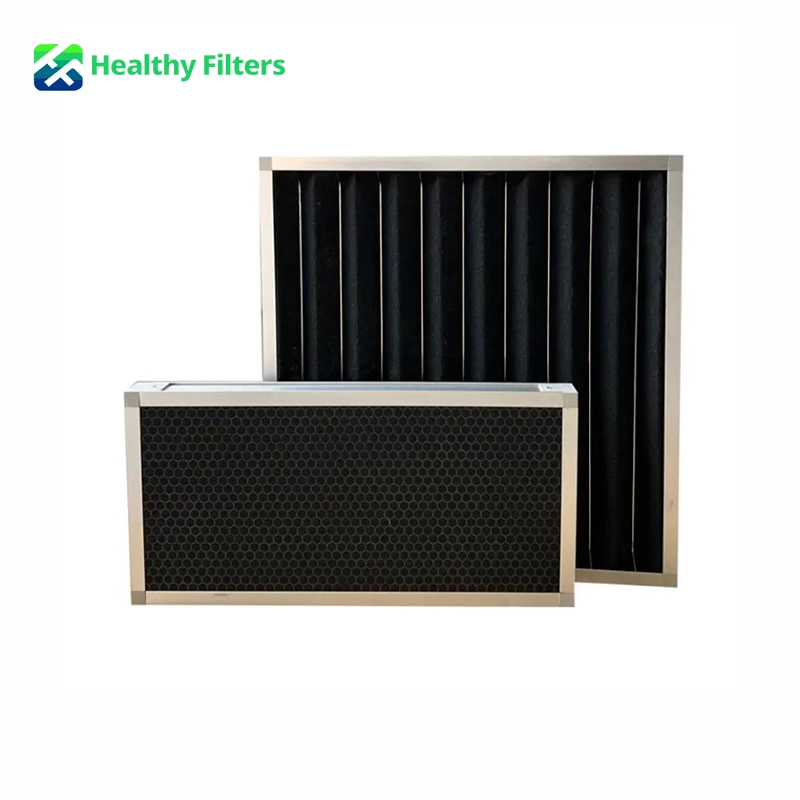
Activated carbon grabs organic vapors and chemical smells from wet steps well. Metal support holds the material in high-flow air systems to avoid folding. Pleated shapes boost air contact with carbon for best removal of small contaminants.
Protection Against AMC with Honeycomb Activated Carbon Technology
Airborne Molecular Contamination can harm copper lines on IC substrates and cause circuit faults. Honeycomb designs give wide areas for chemical reaction while keeping low air block. Built-in chemical filters guard the product and worker health in the plant over time.
Maintenance Strategies to Ensure Long-Term Cleanroom Sustainability
A lasting cleanroom goes beyond good tools; it needs steady care and checks. If filters pass their best use time, the extra power draw can cancel out savings from less buying. You should use data to handle filtration parts well.
Regular Monitoring of Static Pressure Across HEPA Banks
Set up pressure gauges to watch each filter level live. Tracking drop helps guess change times before breaks or power jumps. Auto warnings tell teams of quick rises in block that signal problems.
Timely Replacement Cycles to Prevent Fan Motor Overload
Change filters at the maker’s pressure limit to shield FFU motors from early damage. Fresh filters ease stress on the air system and lengthen gear life. Do not wait for seen dirt, since tiny blocks raise power use first.
Systematic Cleaning of Pre-filtration Materials to Protect Efficiency
G4 or F7 pre-filters catch big particles to stop early clog in costly HEPA steps. Steady clean or swap of pre-filters saves money over years. Good pre-steps can stretch H14 or U17 filter life by a few years.
Partner with Healthy Filters for High-Performance Semiconductor Solutions
Picking the right filtration ally affects your plant’s steady work and money results. Healthy Filters blends solid know-how with high make standards. Their items fit the tough needs of semiconductor work, so you get top guard for key processes.
Decades of Expertise in Global Cleanroom Filtration Standards
Items test under EN1822 and ISO rules for sure work in vital spots. Know-how across fields gives smart ways to handle cleanroom issues and air aims. A worldwide net offers near help and quick parts for urgent needs.
Customizable OEM Solutions Tailored to Specific Industrial Needs
Custom sizes and frames fit odd gear and FFU setups. Teams can make media mixes for special chemical or heat process needs. OEM skills let easy add to current air units without changes.
Commitment to Innovation and Sustainable Manufacturing Excellence
New work on low-block media aids client goals for low carbon and power. Strict checks make sure each filter lacks leaks and tests well before send. Focus on lasting cuts the green harm from filter throwaways via longer use.
FAQ
Q1: What is the main difference between Mini-Pleat and traditional Deep-Pleat HEPA filters?
A: Mini-pleat filters use thin thermoplastic beads to space the media, allowing for a much larger surface area and lower air resistance in a compact frame, whereas deep-pleat filters use aluminum separators that take up more space and create more airflow resistance.
Q2: Why is Gel Seal technology preferred for IC substrate cleanrooms?
A: Gel Seal technology provides a liquid-tight seal that eliminates bypass leakage, ensuring the ultra-pure air required for high-precision electronics and preventing micro-contaminants from entering the production zone.
Q3: How often should I replace my HEPA filters to save energy?
A: You should replace HEPA filters when the pressure drop reaches twice the initial resistance or as recommended by your facility’s energy audit, as running clogged filters significantly increases FFU power consumption.
Q4: Can activated carbon filters help with the smell of chemicals in the plant?
A: Yes, Metal-Backed Pleated Carbon Filters are specifically designed to adsorb VOCs and chemical odors, improving air quality for both the product and the workers.
Q5: Do high-temperature HEPA filters require special installation?
A: High-temperature filters require heat-resistant housings and seals that can handle thermal expansion; using glass fiber media and specialized sealants ensures the filter maintains its H14 efficiency during intense heating cycles.