Technical Parameters to Confirm
Confirm the following values for the selected construction before sampling or production.
| Parameter |
Unit / Required Input |
Why It Matters |
| Target particle efficiency |
% plus particle size and test method |
Defines the required media grade |
| Initial pressure drop |
Pa at stated face velocity |
Controls airflow and energy impact |
| Basis weight |
g/m² |
Affects construction and converting |
| Thickness |
mm |
Affects pleating and assembly clearance |
| Roll width and length |
mm or m |
Must match the converting line |
| Core and winding |
inner diameter and unwind direction |
Supports stable feeding |
| Layer construction |
PP/PET sequence and carrier |
Defines handling and finished-filter design |
Materials and Construction
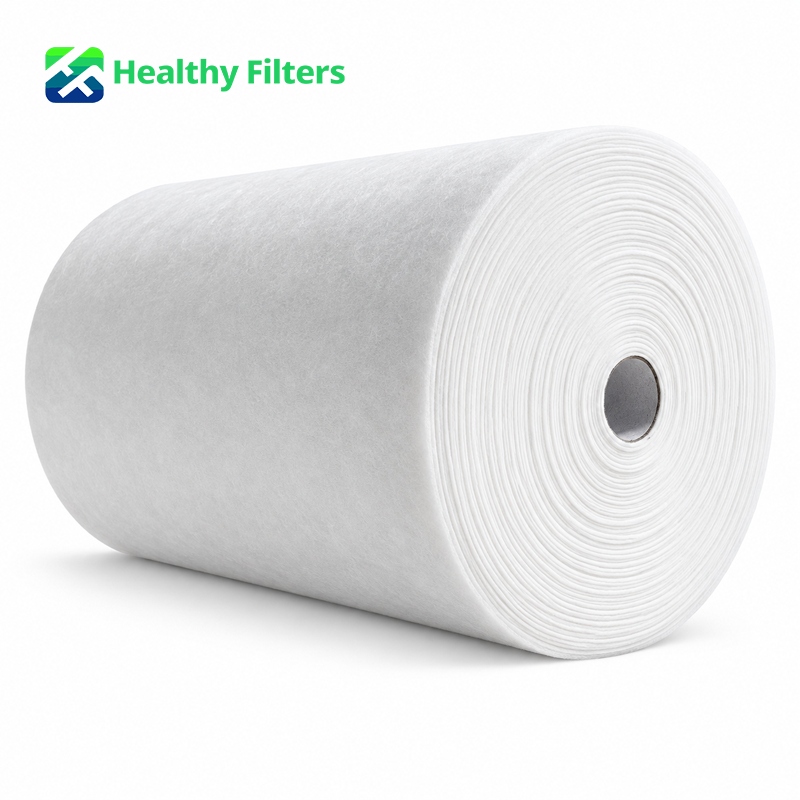
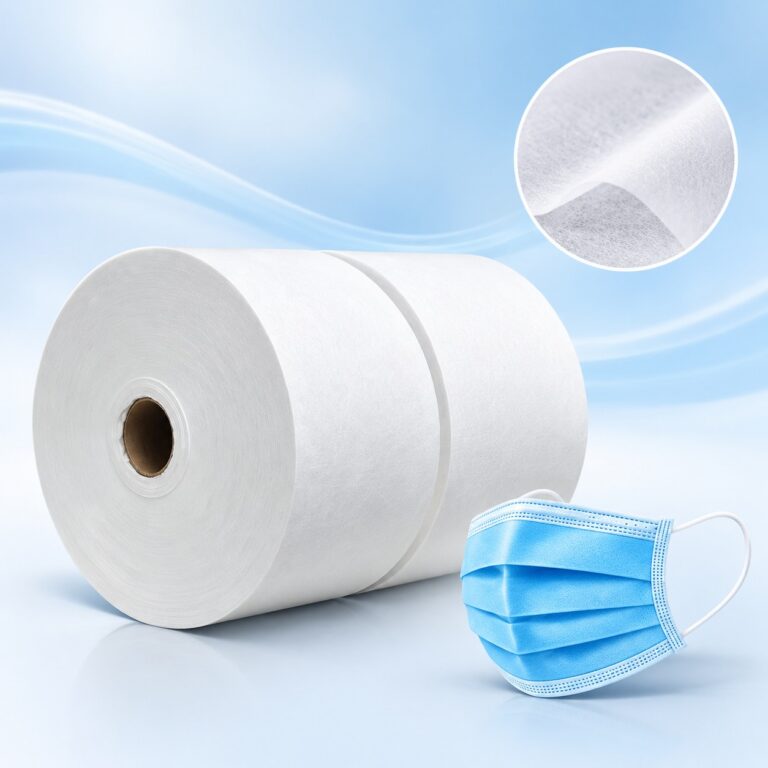
- Media family: PP+PET composite air filter media.
- Electrostatic treatment: confirm the treatment status and target performance for the selected grade.
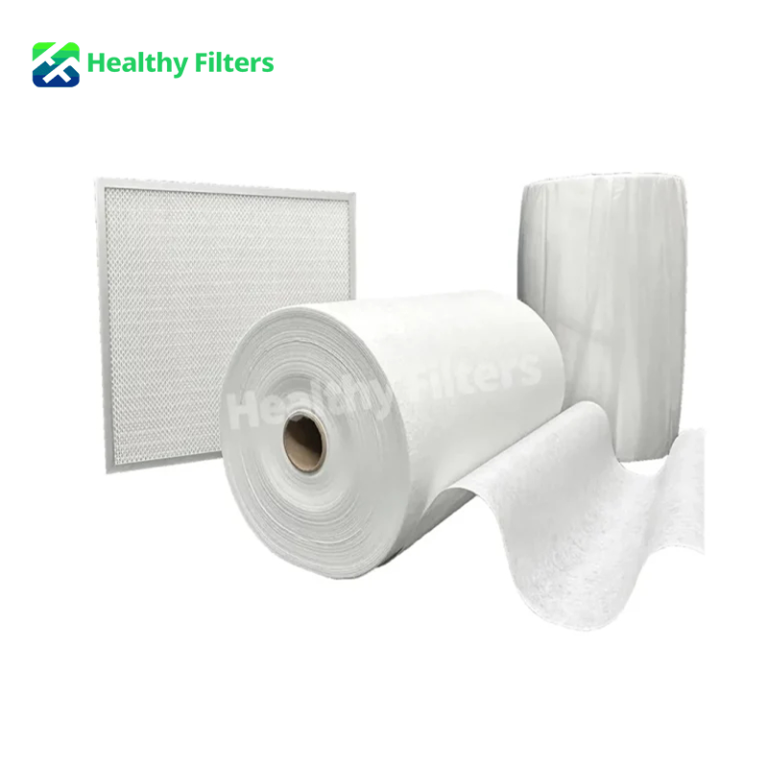
- Supply form: roll material intended for further converting.
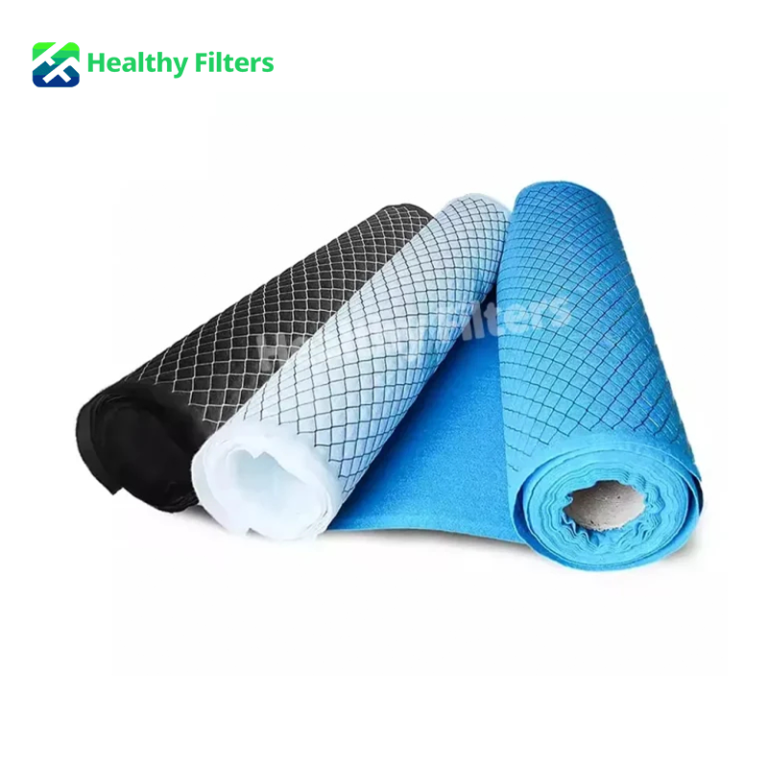
- Project variables: layer sequence, support structure, width, length, core and cutting format require confirmation.
Typical Applications
- Pleated automotive cabin air filters
- Composite residential air-purifier cartridges
- Panel and pleated HVAC ventilation filters
- Cut-to-size appliance filter pads and compact modules
Customization and Quality Control
Send the finished-filter use, target efficiency, pressure-drop limit, test condition, basis weight, thickness, roll width, length, core and converting method. The approved specification should state the inspection items, sampling frequency, acceptance limits and report requirement. Only confirmed values should be used as the order standard.
FAQ
How should I select the correct media grade?
Start with the finished filter’s efficiency and resistance target, then define the particle size, face velocity, test method and converting process.
Does the efficiency remain unchanged after pleating or lamination?
Finished-product performance can change after processing. Validate the converted filter using the agreed test method rather than relying only on the incoming-media value.
Can the roll be supplied to a required width?
Provide the usable width, tolerance, core and winding requirements. Manufacturing feasibility must be confirmed for the selected construction.
Which construction details should be confirmed?
Confirm the PP/PET layer sequence, support structure, electrostatic treatment, basis weight, thickness and any additional converting requirement.
What information is needed for a quotation?
Send the application, target performance, test condition, thickness, basis weight, width, roll length, core, converting method and quantity.
Get a Material Quote
Please provide the finished-filter application, target efficiency and pressure drop, test method, roll dimensions, core, layer structure, processing requirements and order quantity.