Choosing the proper filter material plays a key role in setting air purity, power use, and running expenses for any air handling setup. For those overseeing office complexes or precise clean areas, grasping the key details between synthetic fibers and fiberglass proves vital. Businesses looking for expert advice and solid production turn to Healthy Filters, a top player in the field. From 2016 onward, this ISO9001-approved maker has focused on modern air cleaning products, ranging from basic non-woven materials to top-tier HEPA filters. A worldwide reach and a large 30-cubic-meter CADR lab support tailored filtration solutions that fulfill strict global rules like CE, ROHS, and UL. The emphasis on efficient making and tech advances means distributors get dependable, affordable items with quick shipping through a broad logistics setup.
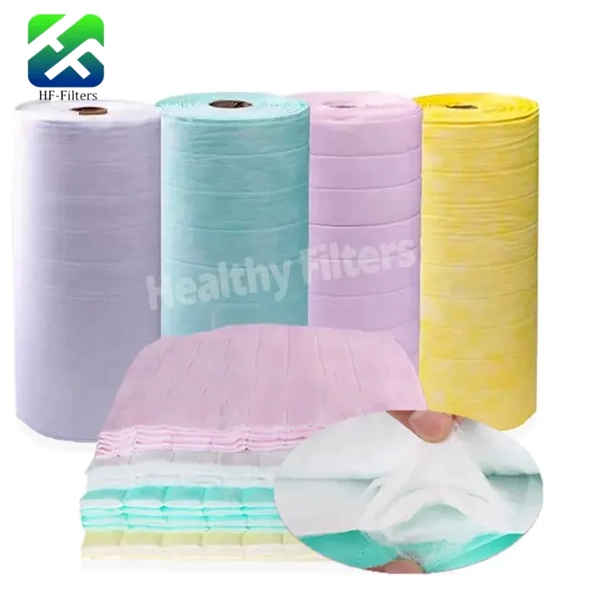
Core Differences Between Synthetic and Fiberglass Media
The main gap between these materials stems from their makeup and how they handle air flow. Synthetic media usually comes from heat-formable plastics, whereas fiberglass uses very thin glass threads packed into a mat.
Material Composition and Structure
Synthetic media often builds from full polyester or polypropylene strands. These strands link via bonding methods to form a layered setup with tight weave. Fiberglass media draws on tiny glass strands laid in a loose, thick net. And while synthetic strands stay strong and bendable, glass strands tend to be breakable and stiff.
Basic Filtration Mechanisms
Synthetic fabrics depend on a mix of straining and deep trapping to grab particles, so as air moves through the layered non-woven build, dust sticks inside the material’s depth. Fiberglass counts on catching and spreading to hold even smaller bits, which suits high-output needs where air leaks cannot happen.
Common Industrial Applications
Synthetic options show up often in standard air flow, business HVAC units, and as front filters for delicate gear. Fiberglass serves as the go-to for special spots like medical surgery rooms, drug plants, and chip cleanrooms, where tiny particle control stays required.
Performance Showdown in Filtration Efficiency and Airflow
Output gauges by how well a filter clears pollutants without adding too much pushback to the HVAC blower, and the pick between synthetic and fiberglass usually weighs pure cleanliness against the power needed to push air via the setup.
Efficiency Ratings from F5 to HEPA
Synthetic media shines in mid-level output, often hitting F5 to F8 marks, which work well for grabbing outdoor dust and bigger contaminants. On the other hand, fiberglass alone manages the top HEPA and ULPA grades, with output from 99.97% to 99.9999% on 0.3-micron bits.
Pressure Drop and Energy Consumption
Air pushback, known as pressure drop, affects power costs directly, and synthetic media tends to start with less resistance thanks to its open strand layout. Yet fiberglass, for all its strong output, carries more natural block because the packed glass net makes a twisty route for air, so bigger blowers keep steady flow.
Impact on HVAC System Longevity
A filter with mismatched output or resistance strains HVAC drives, but a mid-output synthetic type supports quick air swaps in normal builds. Still, in setups built for high-push glass fiber sheets, changing to a unfit material throws off the even flow needed to keep cooling and heat parts clear.
Durability and Environmental Resistance Factors
Conditions like dampness, heat levels, and rough use decide how long a filter works before swap-out, and synthetic plus fiberglass handle outside pressures in clear-cut ways.
Moisture and Humidity Tolerance
Synthetic polyester strands repel water by nature and stand up to acids and bases, which fits them for damp spots where they avoid soaking or breeding germs. Fiberglass reacts to wet conditions, however; once the glass mat gets damp, the build can soften, risking a fold in the pleats.
Fiber Shedding and Air Purity Risks
A big plus for synthetic media lies in its pull strength, which stops strand loss, but fiberglass breaks easily. So if damage hits during setup or from fast shakes, small glass bits might split off and mix into the air stream, a worry in touchy areas.
Structural Integrity Under High Velocity
Synthetic bag filters hold steady across changing air amounts, and their bendy build lets them stretch and shrink without snaps. Fiberglass sheets stay firm and need solid edges plus back grids to guard the fine glass sheet from rips under strong air force.
Cost Analysis and Long Term Value for Distributors
For sellers and site overseers, the top filter cuts total ownership expense while hitting needed air rules, covering buy price, ship fees, and upkeep pace.
Initial Purchase vs Replacement Frequency
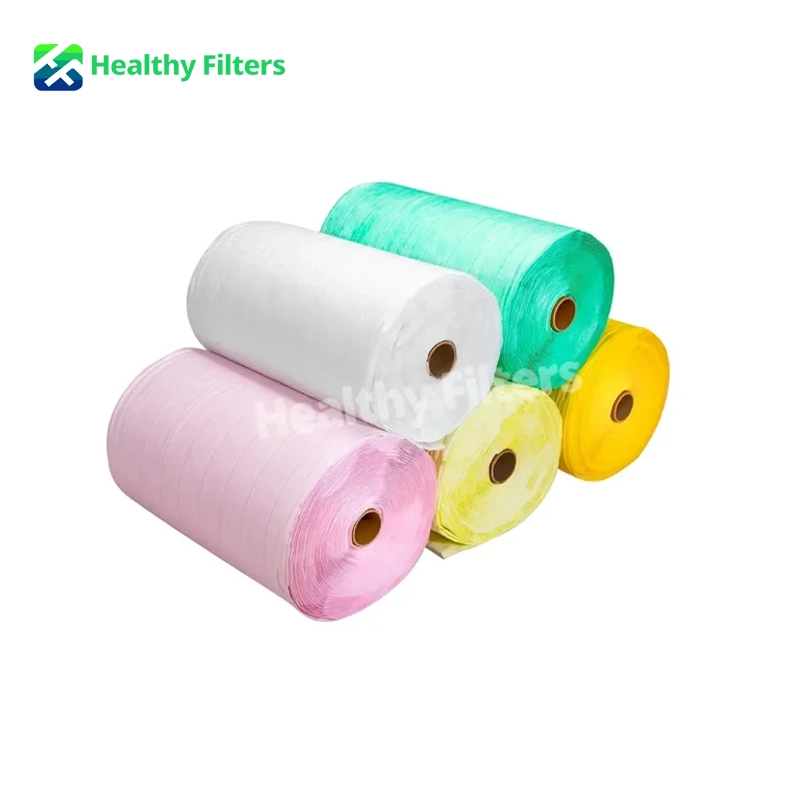
Synthetic filters carry a lower upfront cost and last longer in dusty spots due to deep trapping power, but fiberglass HEPA types cost more yet prove vital when output tops the list. Pros often pair Synthetic F5-F8 Medium Efficiency Pocket Filter Media Bag Rolls as a cheap front stage to stretch pricey end filters.
Shipping and Storage Efficiency for Rolls
Sellers favor synthetic media in roll shape since it weighs light and holds up well, allowing packs for shipping without output loss. Fiberglass media stays fragile, though, needing careful touch to skip crushing strands, which hikes special ship and store fees.
Strategic Product Recommendations from Healthy Filters
Pairing the item to the exact air goal optimizes any HVAC setup best, and Healthy Filters supplies a full lineup of materials for all filter steps, from rough dust cut to clean air making.
Synthetic F5–F8 Pocket Filter Media for Medium Efficiency Filtration
In office buildings and factory workshops, this synthetic pocket filter media serves as a medium-efficiency filtration stage. Its multi-layer structure provides high dust-holding capacity, effectively protecting downstream fine filters from excessive particle loading.
High Efficiency HEPA Glass Fiber Media for Critical Areas
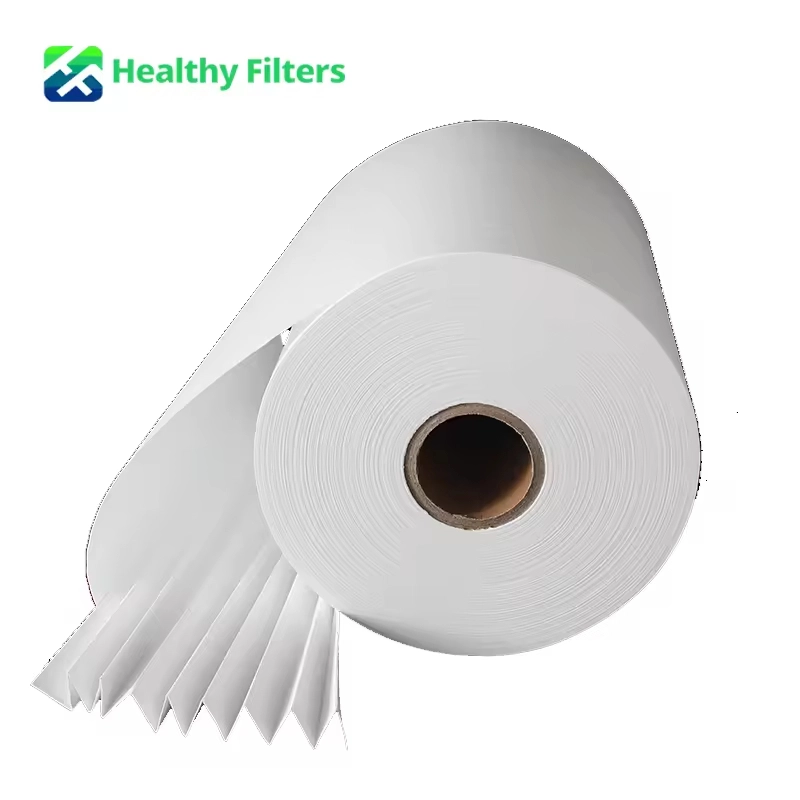
To clear germs, bugs, or fine smoke, HEPA Panel Filter Glass Fiber Media fits the bill, giving the sharpest filter cut and working in hot spots where synthetics might warp or melt.
Customized Solutions for Diverse Industrial Needs
Each air system holds special wants, so whether weights from 300gsm to 1600gsm or custom cuts and forms matter, expert makers deliver fitted OEM work. This fits the media right into current edges, stopping air skips and keeping peak system output.
Why Healthy Filters Is Your Trusted Global Partner?
In the busy world trade scene, steady supply and certs build strong team links, and teaming with a proven maker checks that media specs stay true and even per lot.
Advanced Manufacturing Technology at Hepafil
With cutting-edge lines, the plant turns out dense non-woven cloths and exact glass fiber sheets, so this tech lead crafts layered builds that grow filter area while cutting flow block, a strong draw for power-smart buyers.
Strict Quality Control Standards
Quality comes from tough checks, not chance, so each item faces review in a 30-cubic-meter lab to verify CADR and output marks. Fitting ISO9001 plus global certs like FCC and ETL eases worries for North American and European shoppers.
Comprehensive Support for Global Distributors
Solid teams reach past products, and with a US overseas store, Healthy Filters speeds delivery and cuts wait for world clients. The skilled group gives deep tech help, aiding sellers in picking materials to fix tough local air problems.
FAQ
Q1: Can synthetic filter media reach HEPA efficiency levels?
A: In general, synthetic media suits mid output (F5-F8), and while some high-end synthetics like PTFE hit HEPA grades, standard glass fiber stays the usual and budget-friendly pick for top output jobs.
Q2: Is fiberglass filter media safe for home HVAC systems?
A: Fiberglass stays safe with quality builds and no harm, but for home setups with regular handling, synthetic media often wins since it skips strand drop and takes rough use better.
Q3: Which material is better for high-temperature environments?
A: Fiberglass leads for hot uses, as glass strands melt at far higher points than synthetic plastics like polyester or polypropylene, which warp or melt in heat.
Q4: Are synthetic filters more environmentally friendly than fiberglass?
A: Polyester-based synthetic filters recycle well and process easier than glass fiber sheets, plus their strength and washable types cut waste over time.