
Plenty of plant supervisors notice a coating of particles on a filter and figure it just does its role. Experts in the filtration field call this the “cake layer.” Although this deposit can briefly improve filtration performance by tightening the openings air flows through, it soon acts as a quiet destroyer of factory output. Overlooking this change brings steep power charges and risk of equipment breakdown. Should you face these engineering hurdles, Healthy Filters offers top-quality gear to maintain cleanrooms and assembly lines active. Starting in 2016, this Shenzhen firm has specialized in custom filtration solutions that combine strong efficiency with ongoing expense reductions. Their ISO9001-approved plant creates items from HEPA filters to custom HVAC elements, supplying worldwide distributors with priority on strength and actual results.
Understanding the Double-Edged Sword of Dust Cake Formation
At the start of a filter’s cycle, contaminants start to gather on the material’s surface. This action does not always harm. Actually, a narrow coating of particles serves as an extra barrier, trapping even tinier contaminants that would otherwise pass the first fiber spaces.
Mechanics of Particle Accumulation
Contaminants pass through the atmosphere and become caught in the HEPA air filter by means of interception, impaction, and diffusion. As they pile up, these contaminants build a formed “cake” on the top of the folded material. This process, which builds over time, directly affects how the filter operates in real conditions.
Initial Efficiency Boost from Surface Loading
The dust cake shrinks the pore openings in the filter material quite well. As a result, the filter performs “better” at seizing small impurities for a brief time. Physics shows an odd twist here, since a lightly soiled filter can outdo a fresh one in efficiency.
Transition from Benefit to System Burden
When the cake layer grows overly dense, air must push harder to move past it. Resistance, or pressure drop, then starts to increase. This point marks where a minor performance improvement shifts into a major problem for daily work, requiring quick action to avoid further issues.
The Hidden Impact of Pressure Drop on Operational Costs
As resistance grows over a filter, the whole air system labors more intensely. It feels much like drawing breath through a soaked cloth. Air still comes in, yet the needed force rises sharply, and that force turns straight into higher amounts on the power bill.
Exponential Increase in Fan Power Consumption
Factory fans exist to shift a set amount of air. When the HEPA air filter blocks up, the fan engine takes in extra electricity to keep the flow steady. The rise does not follow a straight line; power use can jump a lot once pressure drop goes beyond a key point. Such shifts emphasize the importance of regular checks to limit rising expenses.
Airflow Reduction and Cleanroom Pressurization Issues
In places like chip-making facilities, keeping positive pressure stays essential. A filter under too much load cuts back air speed. This slowdown may throw off the room’s pressure setup, letting outer particles enter through door edges. Proper flow control, therefore, remains key to protecting controlled spaces from unwanted intrusion.
Premature Wear on HVAC Motor Components
Fans and engines cost a good deal. Pushing them to full power for long stretches because of a jammed filter causes excess heat. Swapping a filter proves far less costly than fixing a wrecked factory engine. Smart upkeep like this not only cuts bills but also boosts device lifespan in the long run.
Why High Temperature Environments Accelerate Filter Failure
Regular filters tend to falter as warmth increases. In factory baking units or hot processing setups, the dust cake acts in new ways, while the filter material deals with physical strain that might cause major air leaks.
Thermal Expansion Effects on Loaded Filter Media
When heat climbs, dust contaminants and the filter housing swell at unequal speeds. If the filter already carries heavy dust, this swelling can rip the material or break seals, sending raw air right into production steps. Choosing heat-resistant options, as a result, helps prevent these breakdowns in demanding heat zones.
Structural Integrity of Glassfiber Media under Heat
Lots of strong filters rely on glassfiber because it copes with heat more than plastic PP fibers. Still, glassfiber reaches its edge if the dust cake’s load gets too much during hot, fragile states. Proper material choice ensures the setup holds firm against both heat and buildup pressures.
Risks of Contaminant Outgassing from Overloaded Filters
In high heat, some held chemicals or particles from the dust cake can change back to vapor form. This “outgassing” makes the filter release pollution into the air it should purify, creating big trouble for careful production. Watching for these dangers in warm areas keeps quality safe and reliable.
Strategic Advantages of Healthy Filters Glassfiber High Temp Solutions
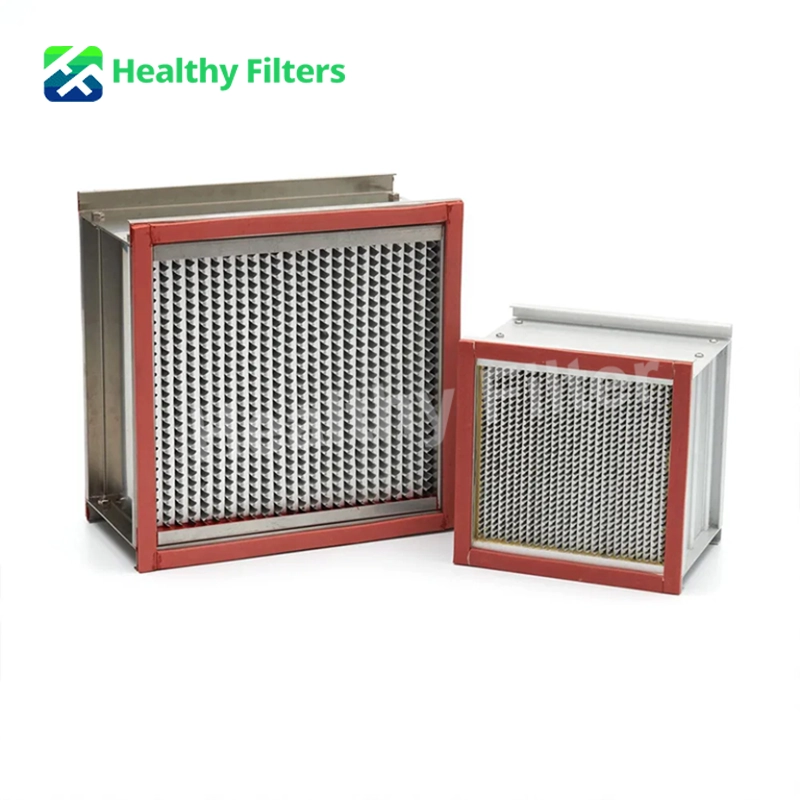
For tasks that can’t take downtime, picking a focused Glassfiber Media High Temperature HEPA Filter offers the best path to manage thick dust in intense warmth. These pieces stand up to the real load of a cake layer without giving way.
Robust Aluminum Separators for Maximum Dust Capacity
These filters apply wavy aluminum dividers to hold pleats open. That stops the “v-shape” from squeezing shut in strong pressure, making sure all the glassfiber material surface works to grab dust. This setup maximizes hold while keeping air paths clear under stress.
High-Grade Glassfiber Media for Extreme Stability
The material chosen aims for 99.97% or better efficiency at 0.3 microns. It stays firm and keeps form even as temperatures jump, unlike issues with low-cost, basic choices. Reliable media like this supports steady work in tough, hot setups without surprise failures.
Extended Service Life in Industrial Drying Ovens
The firm build lets these filters store more dust before pressure drop hits a danger level. Fewer stops for care follow, and factory crews enjoy steadier routines. Overall, this leads to smoother runs and lower hassle in heated production lines.
Optimizing Cleanroom Efficiency with Advanced FFU Systems
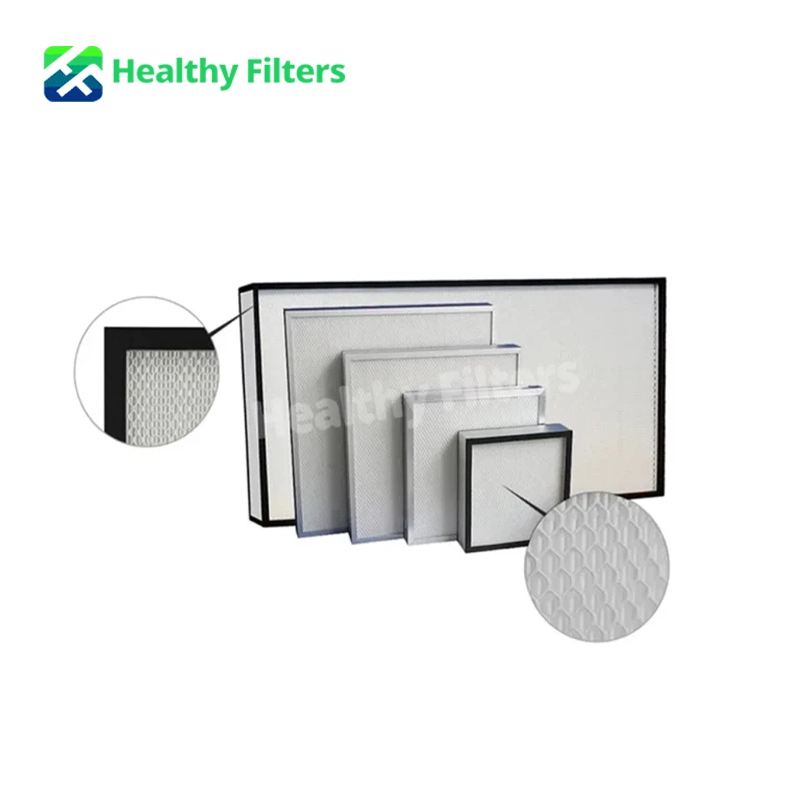
For big electronics work, handling single filters won’t do. Systems must manage loads at many spots. A Air Filter FFU for Dust Collector or Electronic Factory fills this need for lasting steadiness.
Precision Airflow Control for Electronic Factories
A Fan Filter Unit (FFU) comes with its own engine for spot checks. When one factory part sees more dust, that FFU tunes without upsetting the cleanroom’s full setup. Local tweaks like these keep balance across the whole area.
Custom Pleated Designs for Heavy Dust Collectors
H14 grade folded filters in these units give huge surface space. Bigger space means a slimmer cake layer lasts longer, holding resistance down and air pure for extra months over plain flat types. This approach cuts down on changes in dusty, busy systems.
Seamless Integration of H14 Grade HEPA Efficiency
These units hit 99.995% efficiency, grabbing nearly all bits. Their strong design takes fast air in dust systems without media shake or snap. Easy fit ensures top guard in complex factory flows.
How to Determine the Ideal Replacement Window
Don’t hold off on swapping the HEPA air filter until the setup breaks. Clear engineering clues show when the cake layer goes from useful to risky. Skilled care uses facts, not hunches.
Real-Time Monitoring of Differential Pressure Gauge
A Magnehelic gauge gives the surest check. Pressure drop at twice the clean start level signals swap time usually. Factory rules set limits near 500-600 Pa for HEPA setups. Tracking this way spots issues early and keeps things running smooth.
Visual Inspections vs Performance Validation Tests
A filter may seem grimy, but real work counts most. Tests counting particles after the filter confirm no tiny rips from dust weight. These checks give full trust in the material’s hold.
Cost-Benefit Analysis of Proactive Filter Maintenance
At times, ditching a partly used filter saves more than the power a jammed one wastes. Finding the energy-cost balance point defines a sharp-run plant. Forward planning this way trims costs and builds smart habits.
Partner with Healthy Filters for Superior Air Purification Solutions
Picking a filtration ally goes past getting gear; it secures nonstop output. Healthy Filters staff grasp that in B2B, trust drives everything.
Leading Expertise in Industrial Filtration Technology
Years in spots from Southeast Asia to North America let the firm spot all filter flaws. This solid know-how shapes each H13 and H14 filter they send out. Built-in smarts make products tough for any job.
Custom Manufacturing Capabilities for Global Distributors
Every plant varies. For exact frame sizes or media against chemicals, custom work fits the filter to the gear right. This flex meets worldwide needs spot on.
Commitment to Sustainable and High-Performance Air Quality
Low-resistance plans help plants cut carbon marks. Clean air need not mean big energy loss, and new folded styles show efficiency pairs with savings well. This focus blends green goals with strong work output.
FAQ
Q1: Can I wash a HEPA air filter to remove the dust cake?
A: Generally, no. Most high-efficiency filters are made of glassfiber, which is brittle. Washing destroys the fiber structure and the electrostatic charge, rendering the filter useless. Only specific PTFE or some PP filters are marketed as washable, but even then, efficiency usually drops after cleaning.
Q2: How long does a typical HEPA air filter last before it reaches capacity?
A: In a standard cleanroom environment, a filter often lasts 6 to 12 months. However, in heavy industrial settings with high dust loads, this could be as short as 3 months. Monitoring the pressure drop is the only way to know for sure.
Q3: Does a higher pleat count always mean a better filter?
A: Not necessarily. While more pleats increase surface area, if they are packed too tightly, air cannot flow between them. This is why designs with aluminum separators are used in high-performance filters to maintain the correct spacing.
Q4: What happens if I keep running an overloaded filter?
A: Besides high energy costs, you risk “blow-through.” This is where the pressure becomes so high that it forces captured dust or even the filter media itself to break, sending a massive cloud of contaminants into your clean zone.