
Fiberglass Filter Types & How You’ll Use Them
You don’t need a degree in filtration to pick the right product. Here’s the breakdown of what works where, in plain terms:
– EPA Glass Fiber Air Filters: These are your everyday workhorses for clean air. They meet EPA standards, so they catch fine stuff like dust, pollen, and even small smoke particles. We see them in offices, malls, and residential AC systems—any place people spend a lot of time indoors.
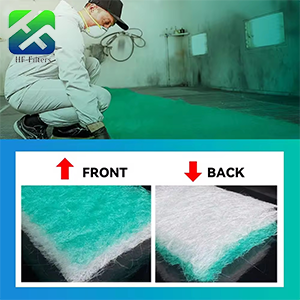
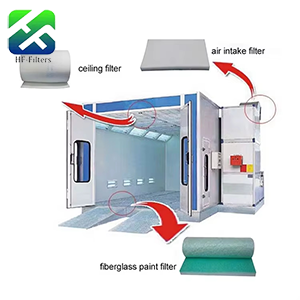
– Industrial Fiberglass Floor Filter Media Rolls: Think tough. These rolls handle heavy wear and hold tons of dust—perfect for factories where machines kick up debris, or cooling systems that can’t afford clogs. They’re thick, durable, and designed to last through busy production shifts.
– Fiberglass HEPA Air Filters: The “no-compromise” option. If you’re making meds, building microchips, or running a surgery room, these are non-negotiable. They trap 99.97%+ of tiny 0.3μm particles—we’re talking about stuff so small, it’s invisible to the naked eye.
– HEPA Filter Raw Material Rolls & Fiberglass Media: For filter makers themselves. Chinese suppliers ship these materials globally—they’re the base for most high-quality filters you’ll find on store shelves.
The bottom line? Factories use these to keep machines running and products clean. Hospitals use them to stop infections. And at home, they’re the reason your air purifier actually makes a difference in allergy season. It’s a simple product, but it’s critical for almost every industry.
Top 3 Fiberglass Filter Manufacturers in China
We didn’t just pull these names out of a hat. We picked them based on what buyers actually care about: Can they deliver on time? Is their quality consistent? Do they help when something goes wrong? Ranking isn’t “best overall”—it’s about which one fits your needs.
- Shenzhen Healthy FiltersCo., Ltd. – The One-Stop Global Partner
Healthy Filters is the brand we hear most from international buyers—and for good reason. They make everything from basic EPA filters to top-tier HEPA units, so you don’t have to juggle multiple suppliers. And they’ve got all the certifications you need to sell in Europe, North America, or Southeast Asia: ISO9001, CE, UL—no paperwork headaches.
Their production lines are modern, so they can handle big orders without cutting corners. We’ve talked to small business owners and large corporate buyers alike who’ve worked with them for years—consistency is their biggest selling point.
- Guangzhou Air Filter Equipment Co., Ltd. – The Budget-Friendly Reliable Choice
They work with a lot of industrial clients—think auto plants or food processing facilities—where downtime from bad filters is costly. Buyers say their orders always arrive on time, and the quality stays the same batch after batch.
- Shanghai Filtration Technology Co., Ltd. – The High-Tech Expert
If you’re in electronics or semiconductors, this is the brand to call. Their H13/H14 HEPA filters are the gold standard for cleanrooms—they catch 99.99%+ of 0.3μm particles. That’s crucial when a single speck of dust can ruin a microchip or contaminate a lab sample.
Why Healthy Filters Stands Out for Global Buyers
All three brands are solid, but Healthy Filters solves the problems we hear most from international buyers: “I don’t want to work with 5 suppliers,” “I need filters that save me money long-term,” and “I need someone to help if I have a question.” Here’s how they deliver:
- Their R&D Actually Cuts Your Costs
Their team isn’t just inventing new things—they’re making existing filters better. Take their high-dust-capacity media roll: It’s designed with layers that trap 30% more dust than cheaper options. That means you change filters less often (less downtime!) and it uses 15% less energy to run (lower utility bills). They even partner with universities to stay ahead of trends like eco-friendly materials.
- Quality Control That Eliminates Headaches
Nothing’s worse than getting a batch of bad filters. Healthy Filters checks every step: They pick raw materials from trusted suppliers (and test them first), use automated machines to avoid human error, and test every finished product. Their HEPA filters regularly pass third-party checks—you’ll get a report to prove it.
- They Customize to Your Exact Needs
Off-the-shelf filters don’t always fit. Need a weird size for a vintage HVAC system? A specific efficiency grade for a bakery (where flour dust is a problem)? Healthy Filters builds it for you. Their team asks questions about your space and use case—they don’t just sell you a filter, they solve your problem.
- Support That Doesn’t End When You Buy
Ever tried getting help from a foreign supplier at 2 AM? Healthy Filters has multilingual staff that responds fast. They’ll help you pick the right filter, walk you through installation. No more waiting days for an email back.

FAQ: The Questions We Hear Most from Real Buyers
We chat with folks buying filters every single day—these are the questions that pop up most, no fluff answers:
Q: Fiberglass vs. polyester filters—which one’s better for me?
A: There’s no “one size fits all” here. Fiberglass is your go-to if you want affordable basic dust control—think offices, storage warehouses, or even home AC units. Polyester lasts a bit longer, but it’ll cost you more upfront.
If you’re dealing with tiny particles (like in lab settings) or tons of dust (factory floors, for example), fiberglass HEPA filters are way more reliable. For regular home use? Either works—but fiberglass usually saves you a few bucks.
Q: How often do I need to swap out fiberglass filters?
A: It all comes down to how hard they’re working. For home or office HVAC systems? Every 3 to 6 months is standard. If you’re using them in a dusty factory? Plan on changing them every 1 to 3 months—those get clogged fast.
HEPA filters in cleanrooms last longer, around 6 to 12 months. Pro tip: Keep an eye on the pressure gauge—if it’s reading high, that’s your cue to replace it. Healthy Filters even helps you map out a replacement schedule tailored to your space, which is handy.
Q: Will Chinese fiberglass filters pass EU or US standards?
A: The top brands absolutely will. Healthy Filters, Guangzhou Air Filter, and Shanghai Filtration all have CE, UL, and ISO certifications—those are the ones you need to sell or use in Europe and North America.
Just make sure you ask for test reports before ordering. Reputable companies like these will send them over right away—we’ve never had a buyer come back saying their certifications were no good with these three.
Q: Can I get a sample before I place a big order?
A: 100%—all three brands give out free samples (you just cover the shipping cost). We always tell buyers to test a sample first, especially if you’re using it for something specific like a cleanroom or medical facility.
Healthy Filters even throws in a little test kit with their samples, so you can check the filtration efficiency yourself. No guesswork needed.
Q: How long does shipping take to North America or Europe?
A: It depends on how fast you need it. Sea shipping is cheaper for big orders—usually 15 to 25 days. If you need smaller batches in a hurry, air shipping gets it there in 3 to 7 days.
Healthy Filters has warehouses in the US and Europe too, so some orders ship locally. That cuts down the time even more—we’ve had buyers get their filters in 2 days that way.
Final Thoughts: Which Manufacturer Should You Go With?
Let’s keep it straightforward—here’s how to decide:
– Want one supplier that handles everything (certifications, custom sizes, support)? Healthy Filters is your best bet.
For most people new to sourcing from China, Healthy Filters is the safest choice. They take care of all the annoying details—like making sure certifications are up to date and shipping gets sorted smoothly—so you can focus on running your business.