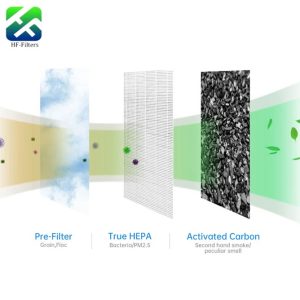
In today’s world, clean air matters more than ever, whether at home, work, or on the go. You often wonder how to tackle both tiny particles like dust and allergens, plus invisible threats such as odors and chemicals. Activated carbon and HEPA filters stand out as powerhouse solutions in air purification. They don’t compete; instead, they team up for thorough cleaning. Activated carbon grabs gases and smells through adsorption. Together, they create a full-spectrum defense against pollutants.
What Is Activated Carbon?
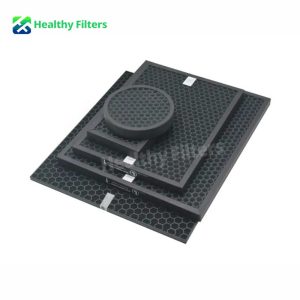
Activated carbon starts as a porous material from sources like coconut shells or coal, treated to boost its surface area for trapping pollutants. You benefit from this in air purification because it excels at adsorbing gases, odors, and chemicals without harsh reactions. Think of it as a sponge for invisible airborne threats. Derived from wood, fruit shells, bones, minerals, resins, or even recycled rubber, it comes in forms like powder, granules, cylinders, spheres, or fibers. Coconut shell variants shine with developed pores, high strength, and easy regeneration, ideal for water and air cleanup. They remove toxins like formaldehyde, ammonia, benzene, and smoke, creating a healthier space.
Working Mechanism of Activated Carbon Filters
These filters rely on physical adsorption, where pollutants cling to the vast internal surfaces. Pore size and activation methods dictate efficiency. Gas flows through layers, sticking to fixed, moving, or flowing beds. In small devices like refrigerators or car deodorizers, convection and diffusion aid the process. Fibers and molded forms expand uses in gas adsorption.
Benefits and Applications of Activated Carbon Filters
You gain chemical-free purification, targeting volatile organic compounds, smoke, and odors effectively. Homes see relief from allergens; industries like food processing and wastewater treatment rely on it. High adsorption capacity handles carcinogens too.
Healthy Filters’ Carbon Air Filters: Top Recommendations
For superior odor and chemical removal in purifiers or ventilation, consider high-quality carbon air filters. Customization options fit your needs perfectly.
What Is HEPA?
HEPA means High-Efficiency Particulate Air. It catches 99.97% of 0.3-micron bits. True HEPA hits this mark around the world. Air goes through. But small bits cannot. Kinds like ULPA go finer, up to 99.999%. Stuff varies, from PP at 85% catch to glass fiber hitting 99.9999%. This tech started for clean rooms but now helps homes too. It blocks tiny threats that float in the air.
Working Mechanism of HEPA Filters
Ways include catch, hit, and spread in thread-like builds. Air move rules make sure small bits get stuck. The filter acts like a maze for dust. Bigger bits crash into fibers. Smaller ones bounce around until trapped. This mix ensures high catch rates. No power needed beyond the fan pushing air.
Benefits and Applications of HEPA Filters
It holds dust, flower dust, germs, and bugs. Great for those who sneeze a lot and clean spots. Use in sick houses, test rooms, homes, and chip making. It cuts down on sick days by keeping air pure. Also, it helps in spots with lots of people or pets. The filter stays strong over time if cleaned right.
Healthy Filters’ HEPA & ULPA Filters: Premium Choices
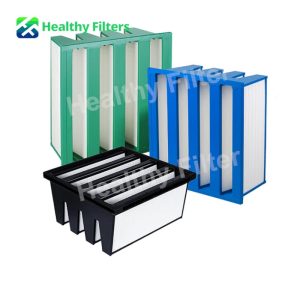
Pick HEPA and ULPA filters for key places. With more than 15 years know-how and rule match, they fit joined systems. These come ready for tough jobs like labs or hospitals. You can count on them for steady clean air day after day.
Key Differences Between Activated Carbon and HEPA Filters
You could mix these up. But they aim at different dirty bits. Activated carbon deals with gases by sticking. HEPA aims at solid bits by trapping. Learn the spaces to pick smart. This knowledge helps you choose the right tool for your air woes. One fights smells, the other battles dust.
Filtration Mechanisms Compared
Sticking joins bits by chem or body ways. Trap uses threads to snag solids. The first pulls in like a magnet for gases. The second weaves a web for particles. Both work without extra gadgets. Yet they handle air in unique styles.
Targeted Pollutants: Gases vs. Particles
Gases like flying compounds fit activated carbon. Bits like dust suit HEPA. Smells from paint or smoke go to carbon. Pollen or pet hair stick with HEPA. This split lets you tackle specific air problems. Mix them for full cover.
Efficiency, Limitations, and When to Use Each
Activated carbon holds out longer for smells. But it needs swap. HEPA does great in bit catch. Yet it blocks quicker. Choose by your air troubles. For smoky kitchens, go carbon. For dusty rooms, pick HEPA. Think about your space before buying.
How Activated Carbon and HEPA Filters Work Together?
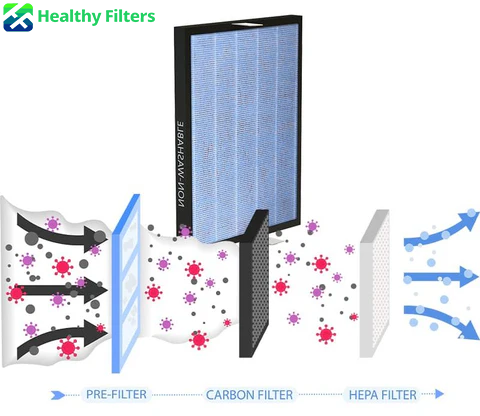
Join them to boost cleaning. You get wide cover against mixed dirty stuff. Many cleaners use both for best results. This pair handles most common air issues at once. It saves time and keeps air fresh longer.
Complementary Functions in Air Purification
HEPA takes solids. Activated carbon hits gases. Joined, they clean fully. One misses what the other grabs. This team-up makes air safe from many threats. You breathe easier with less worry.
Integrated Systems and Multi-Layer Filtration
Lots of cleaners stack them. They follow rules like ASHRAE for best flow. Layers add steps to catch more dirt. Air passes through without much push. This setup fits homes and big buildings alike.
Why Choose Healthy Filters for Your Filtration Needs?
You deserve reliable and fresh options when it comes to air filtration. This company stands out with over 15 years of global exports and a capacity to produce more than 500,000 units. They dedicate themselves to improving air quality for everyone.
- Company Overview and History: Founded in 2016, ISO9001 certified, ships worldwide, fast production in China.
- Product Quality, Innovation, and Culture: Eco-focused, team-driven, uses nanofiber & electret tech, constant innovation.
- Customization, Support, and Global Reach: Fully custom solutions, expert help, warehouse in USA, quick delivery.
- Becoming a Distributor: Short lead times, competitive pricing, full support, proven partnership success.
In short, Healthy Filters gives you trusted quality, smart innovation, and real support. You get clean, safe air every time with a partner that truly cares about your needs.
FAQ
Q1: How do activated carbon and HEPA filters differ in targeting pollutants?
A: Activated carbon adsorbs gases and odors, while HEPA traps solid particles like dust and allergens.
Q2: Can you use activated carbon and HEPA filters together?
A: Yes, they complement each other for full-spectrum air purification in many systems.
Q3: What materials make up HEPA filters?
A: Common ones include PP, glass fiber, PET, and PTFE, each with varying efficiencies.
Q4: How often should you replace these filters?
A: Typically every 8-12 months, depending on usage and environment to avoid secondary pollution.