Industrial air handling units (AHUs) and ventilation systems function as the breathing mechanism within a production site. These setups demand a careful blend of solid hardware and effective filtration elements to support long-term operation and clean air delivery. Choosing the right parts goes beyond routine upkeep; it represents a key choice to safeguard costly equipment, uphold output standards, and foster a secure workspace. Healthy Filters stands out as a top provider in this area, delivering top-tier air filtration solutions built for tough industrial needs. Their company culture centers on technical skill, and their worldwide distributor system brings the knowledge required to refine any air movement setup. This overview examines the vital items needed to sustain optimal function in extensive air management setups.
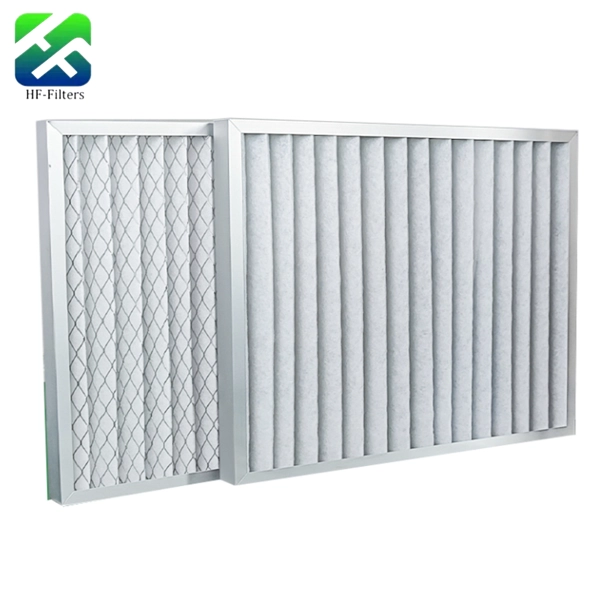
Comprehensive Infrastructure for Air Handling Units
The core build of an air handling unit shapes the overall success of the air cleaning process. Without a strong and sealed enclosure, even high-quality filters lose their effectiveness, as unfiltered air can bypass them. Heavy industrial applications call for sturdy casings that withstand high static pressure and vibration, all while keeping the barrier intact.
Durable Filter Housings for System Integrity
Basic Filter Housings form the base for holding different levels of air filters. These parts need materials that resist rust to cope with moisture and substance contact common in factory air intake. As a result, they maintain the unit’s reliability over time.
Leak-Free Mounting Frames for Industrial Security
The link between the filter and the main unit stays free of gaps to block untreated air from reaching protected areas. Expert frames employ targeted locking tools and premium seals, which create a secure hold. Such features enhance safety in demanding settings.
Modular Housing Designs for Scalable Airflow
Adaptable setups enable growth in cleaning power as site needs expand. These structures support simple setup and care through uniform sizes that suit various filter shapes and measures. Therefore, they adapt well to changing operational demands.
Primary Filtration for Initial Particulate Removal
Initial air cleaning serves as the first barrier in ventilation arrangements. It primarily catches coarse particles like dirt, fibers, and lint before they affect finer parts. By trapping these coarse items, pre-filters avoid quick blockage in pricier advanced cleaners along the air route.
Panel Primary Air Filters for Large Particle Interception
A Panel Primary Air Filter works best to handle dense dust in workshop conditions. These units show minimal starting resistance, so they keep air flow steady and cut power use. In addition, they protect downstream elements effectively.
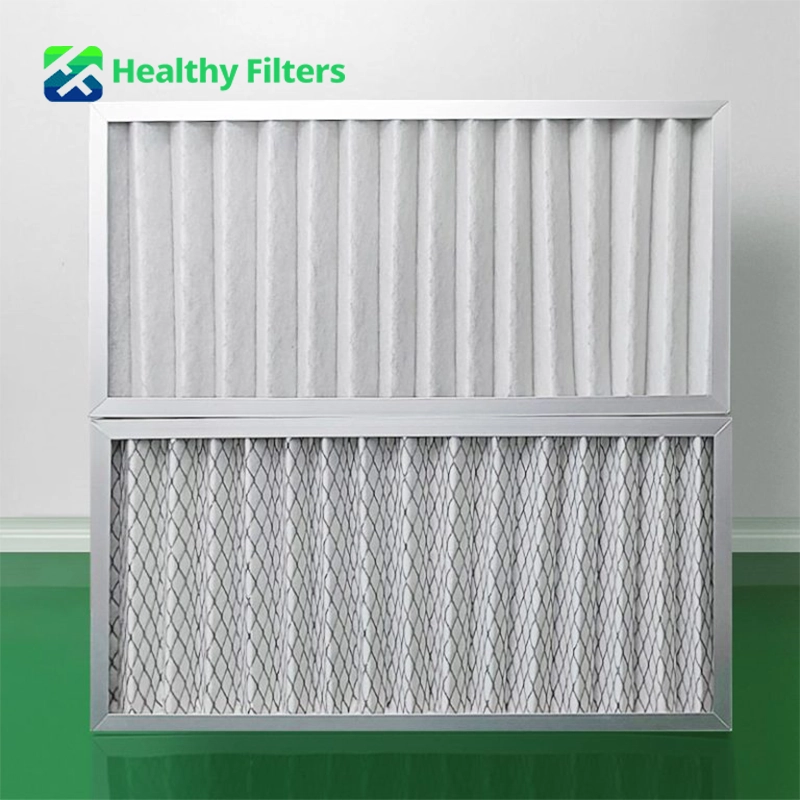
Washable and Replaceable Pre-filter Media
Factory pre-filters typically use synthetic or metal-based materials that allow washing or quick swaps. This option cuts costs in areas with heavy particle levels, such as in wood or metal processing. Consequently, maintenance becomes more efficient and economical.
Extended Service Life for Downstream Components
Strong initial cleaning lowers the need for frequent checks on later stages. When these fronts guard HEPA or ULPA sections from rough debris, the full setup runs longer without issues. This approach boosts overall system durability.
Advanced Media Solutions for Precision Air Quality
In sectors sensitive to tiny pollutants that spoil batches, the filter material’s standard matters greatly. Exact air standards come from targeted substances that seize particles below one micron. Such materials often fit into current structures to boost output without total hardware changes.
Universal Replacement Media for Flexible Efficiency Grades
The Universal Replacement Media Air Filter gives a flexible fix for setups needing set capture levels. This material fits multiple factory frames and holds steady results at varying air speeds. Thus, it suits diverse applications seamlessly.
High-Performance H11 to U15 Grade Options
Based on site needs, filter levels go from H11 for basic trade uses to U15 for clean rooms, biopharmaceuticals and other places with high requirements for clean environments. Picking the right level meets sector air rules. This selection ensures regulatory alignment and process safety.
Customized Roll Media for Diverse Frame Specifications
Large media coils offer a tailored choice for sites with unusual filter sizes. Shaping the material to match exact specs allows precise air refinement in special factory layouts. As such, it addresses unique challenges directly.
Technical Synergies in Industrial Ventilation Design
An effective air movement plan exceeds mere parts assembly; it forms a linked system where elements aid one another. The tie among casings, early filters, and fine media sets the full ownership expense. Refinement aims at peak particle grab while easing the power for air push.
Multi-Stage Filtration Strategies for Energy Efficiency
Stacking cleaners by size lets each level work at best output. This stepped method stops sudden resistance rises, which holds blower units in their prime energy zone. In turn, it supports sustainable operations.
Pressure Drop Optimization Through Proper Media Selection
Air filter resistance to flow is termed pressure drop. Choosing materials with high dust holding capacity and low initial resistance proves key to lowering power bills in round-the-clock factory runs. This focus enhances economic viability.
Compatibility Between Housings and Replacement Filters
Uniform sizing across the site eases stock control. Applying broad media that matches present casings lets care groups act fast on full filters without hunting special items. Hence, downtime shrinks notably.
Maintenance Protocols for Large Scale Systems
Standard care is crucial to avoid breakdowns and hold steady air standards. In big factory contexts, a response-only method often causes high-cost stops. A forward plan with routine checks and set swap times keeps the AHU guarding the site well.
Regular Inspection of Primary Panel Filters
Early panel cleaners need frequent reviews for harm or heavy buildup. In damp areas, checks also confirm no water sits in the material, which might spark mold. These steps preserve air flow and hygiene.
Timely Replacement of High-Efficiency Media Layers
Fine filters hit a full point where resistance grows too high for the setup. Tracking gauges at these levels supports fact-based swap plans. As a result, performance stays consistent.
Structural Integrity Checks for Filter Housing Seals
Seals and barriers in casings wear from warmth or substances over periods. Steady tests of the tight seal in frames stop air leaks and uphold planned cleaning levels. This practice sustains system effectiveness.
Partner with Healthy Filters for Superior Air Solutions
Choosing a reliable partner for air cleaning is vital in factory work. Solid production guarantees each cleaner and casing hits firm tech specs. Healthy Filters stresses lasting strength and accuracy, offering items that endure severe factory trials.
Expertise in Professional Industrial Filtration Manufacturing
Years aimed at overseas trade shape a process with cutting-edge tech to make cleaners meeting global norms. This skill assures each item gives the stated safeguard level. Thus, reliability remains a core strength.
Global Distribution Support for Large-Scale Projects
Reaching quality parts occurs smoothly via a built network that grasps local trade needs. This wide coverage makes swap components ready when required. It streamlines large efforts effectively.
Commitment to High-Performance Clean Air Standards
Focus on study and growth keeps offered items leading in cleaning tech. This drive aids plants in meeting shifting eco and safety rules. Consequently, compliance becomes straightforward.
FAQ
Q1: How often should primary panel filters be replaced in a factory AHU?
A: In typical factory conditions, primary filters generally need replacement every 1 to 3 months, although this varies with the dust volume and air standards of the site.
Q2: Can I upgrade my filtration efficiency without changing the entire AHU?
A: Yes, through high-efficiency universal replacement media, filtration levels can often rise within current frames and casings, as long as the setup manages the added resistance.
Q3: Why is a leak-free housing so important for industrial ventilation?
A: A minor opening in the casing lets raw air skip the material, which risks clean areas, harms delicate gear, and drops the setup’s total output.
Q4: What is the benefit of using V-bank style filters in large systems?
A: V-bank filters provide larger effective filtration area than flat types, so they handle higher air volumes and last longer thanks to better dust storage.
Q5: Do industrial air filters help in reducing energy costs?
A: Cleaners with low start resistance and high dust capacity ease blower loads, which cuts power use across the item’s full run.