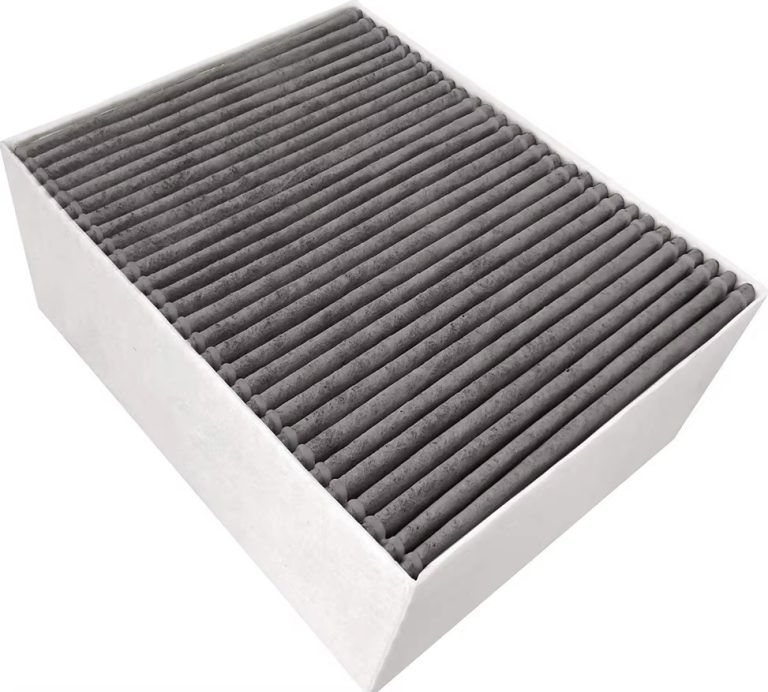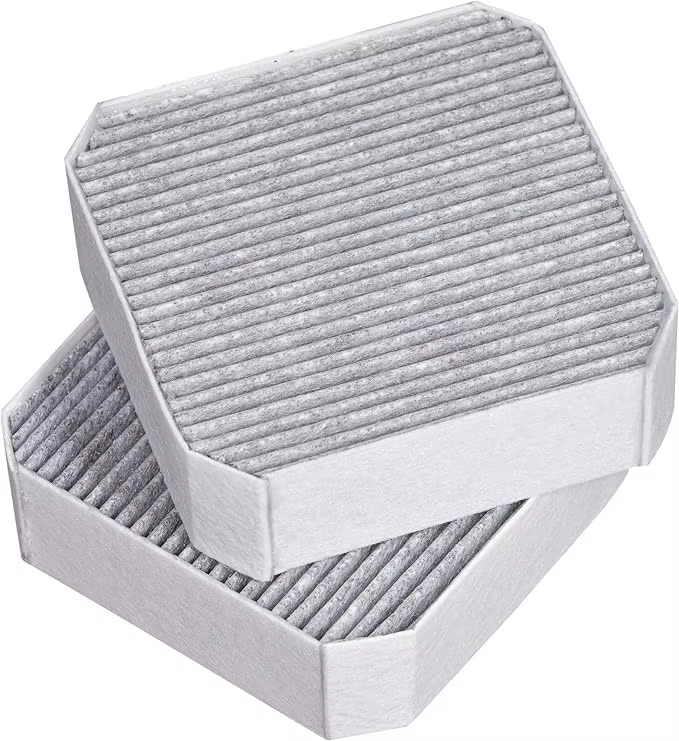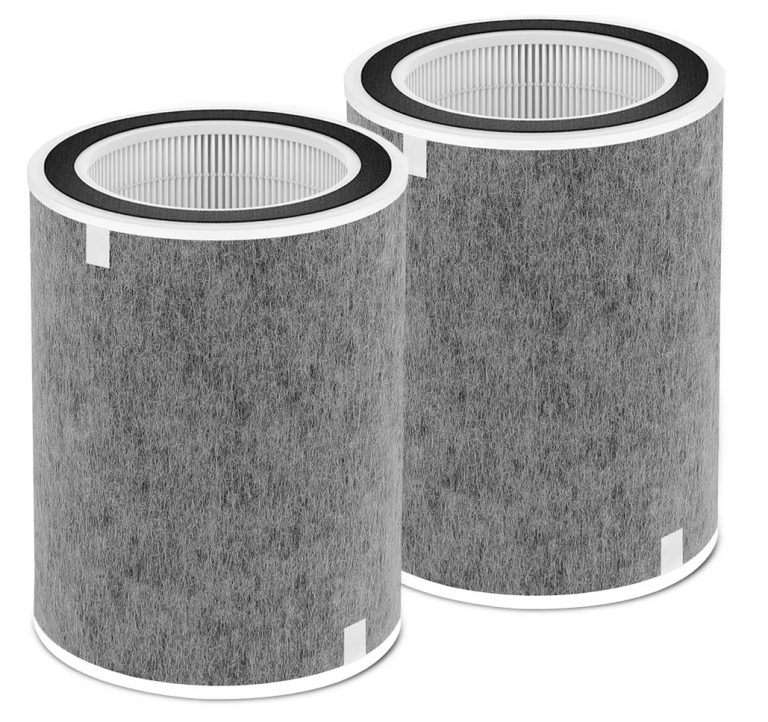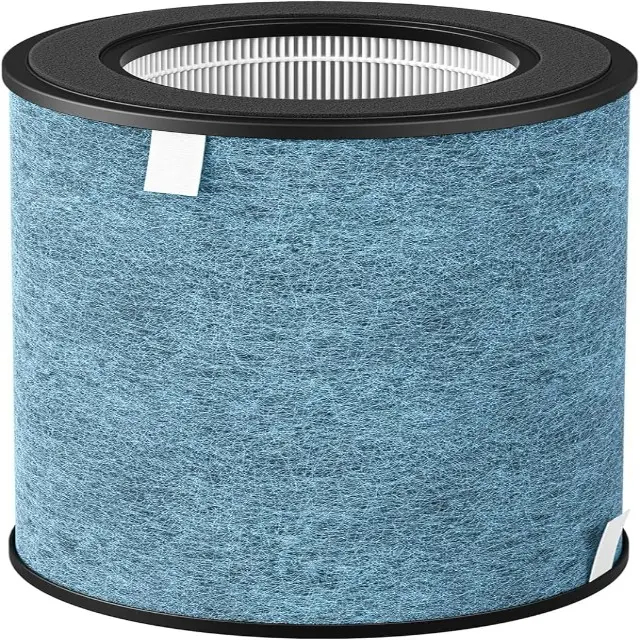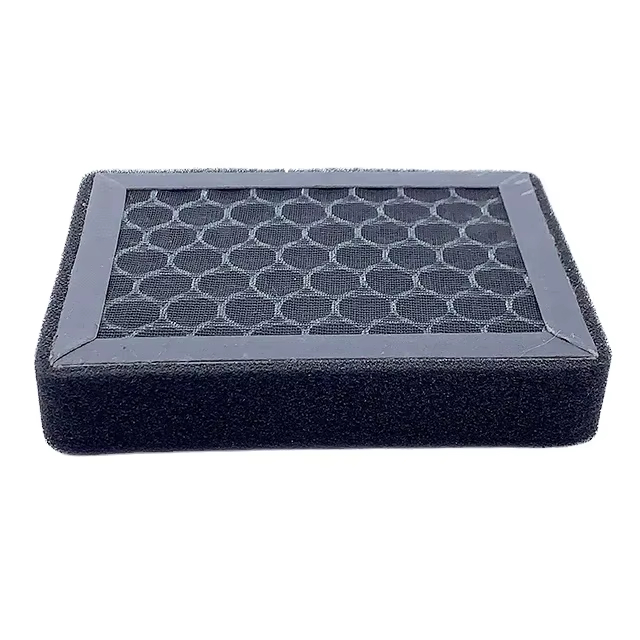
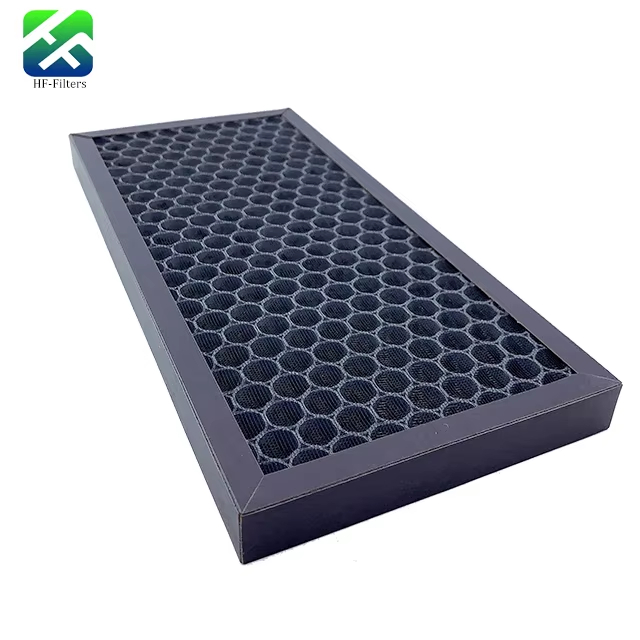
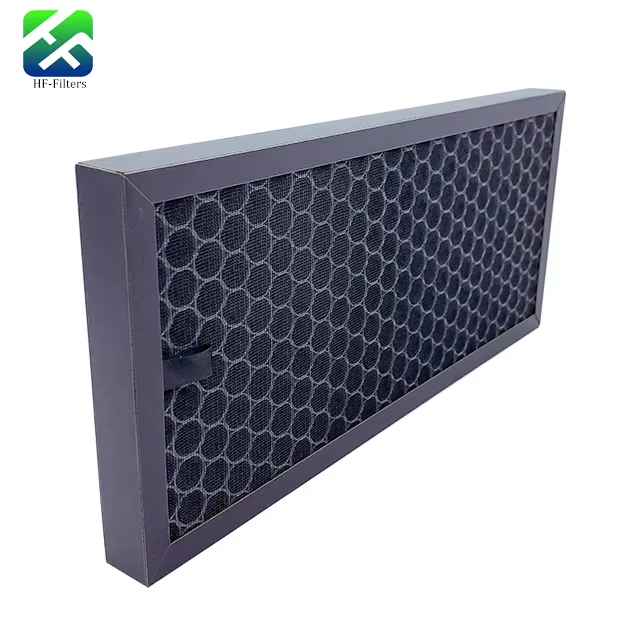
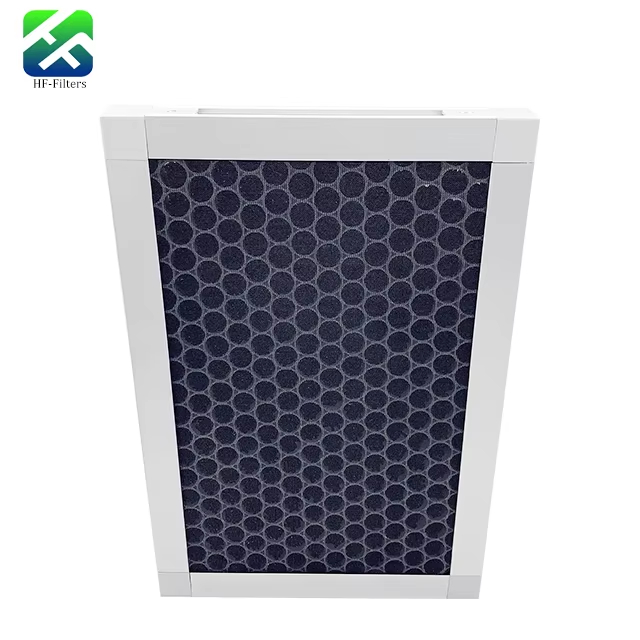
Filters can be developed to match the installation space in an air purifier. Provide the width, height and depth, plus any corner, locating tab, seal or mounting requirement.
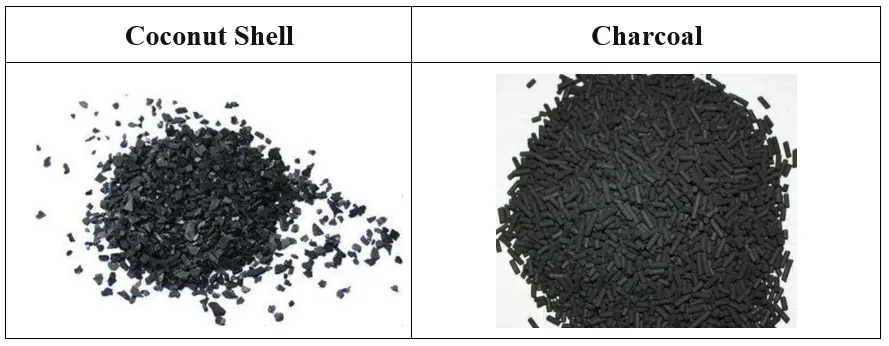
The adsorbent must match the intended contaminant. Standard activated carbon may be suitable for common odors and selected organic vapors. Other gases may require impregnated or applicationspecific adsorbents. Confirm the target gas before choosing the media.
Frame, edge support, protective mesh and sealing options should be selected according to the purifier design and assembly method. Available options require confirmation during quotation.
For a custom project, the drawing, materials and acceptance criteria should be agreed before sampling. Fit, airflow resistance, carbon retention and workmanship can then be checked against the approved specification.
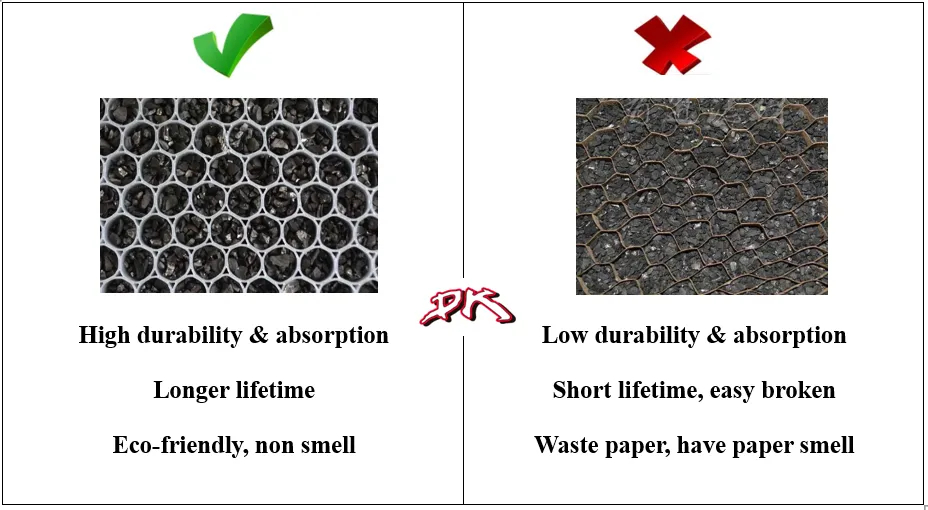
Activated carbon controls gases by adsorption. Molecules attach to the internal surface of the carbon as air passes through the media. The honeycomb structure creates multiple flow channels and holds the adsorbent in a compact form.
Performance is not determined by appearance alone. Carbon formulation, adsorbent quantity, channel geometry, face velocity, humidity and exposure concentration all affect capacity and breakthrough time. For that reason, a filter intended for cooking odor should not automatically be promoted for formaldehyde, ammonia, acid gas or every VOC.
HEPA media is used for particulate filtration. Activated carbon is used for selected gases and odors. If the purifier needs both functions, the two stages can be combined in one assembly or installed as separate filters.
Do not assign an H13 or H14 claim to the carbon stage. A HEPA grade applies only when the particulate filter media and finished filter have been specified and tested under the applicable standard.
This product can be evaluated for:
Applications involving a named chemical, high concentration, high humidity or regulated exposure limit require a separate technical review.
The following table should replace generic or unverified specifications. Values marked `[TO CONFIRM]` must be completed from the product specification or approved sample.
Performance must be confirmed at the agreed airflow and test conditions. Adsorption behavior varies with contaminant type, concentration, temperature, humidity and contact time.
It is used to adsorb selected gases and odors. The result depends on the carbon formulation, adsorbent quantity, airflow and contaminant concentration. Send the target odor or chemical before selection.
The current product information confirms a honeycomb activated carbon structure but does not confirm a HEPA layer. A particulate filter can be evaluated as an additional stage. The grade and efficiency must be specified separately.
A drawing or physical sample can be used to review dimensions, shape and assembly details. Material and performance requirements still need written confirmation before sampling.
Provide W × H × D, equipment model, annual or order quantity, rated airflow, allowable pressure drop, target odor or gas, carbon preference, frame requirement and packaging needs.
There is no universal replacement interval. Replace or test the filter according to contaminant load, operating time, odor breakthrough, airflow condition and the equipment maintenance plan.
|
 |
 |