
Buyers should take into account both the type of filter used (i.e. mini pleat vs. separator) and its filtration efficiency (i.e. H13 vs. H14) when choosing a HEPA filter. While both types of filters have the potential to provide high-efficiency filtration, each type utilizes a different media pack design that ultimately impacts how well the filter allows for proper airflow, how deep it will need to be installed, how heavy it is, and under what types of environmental conditions it operates.
So, which of the two designs will work best for your particular project? The answer to that question will depend on several factors, including the type of equipment you are using, the amount of space available to install it and the level of air flow required by the equipment.
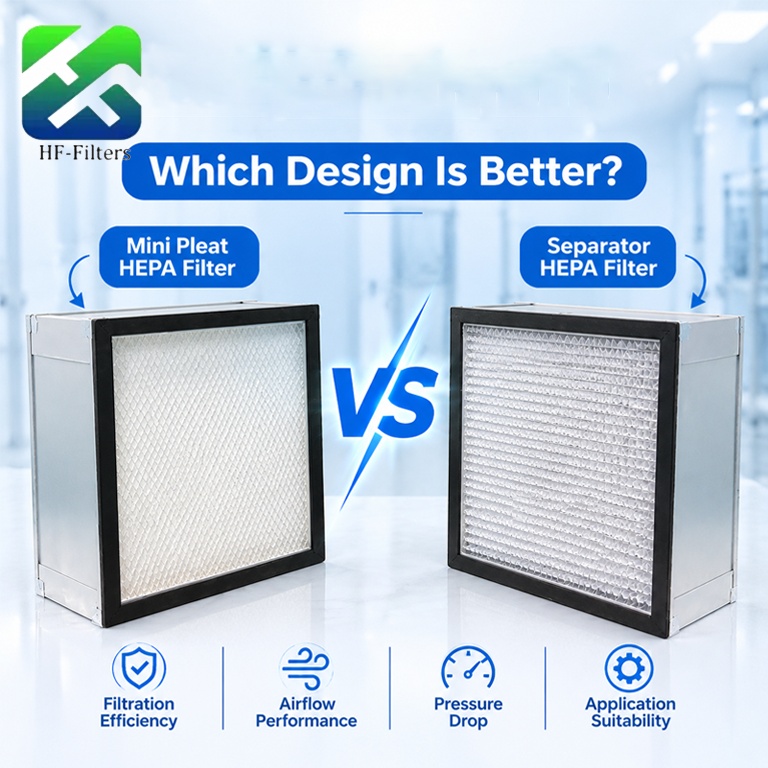
1、What Is the Difference Between Mini Pleat and Separator HEPA Filters?
The main difference is how the filter media is folded and supported.
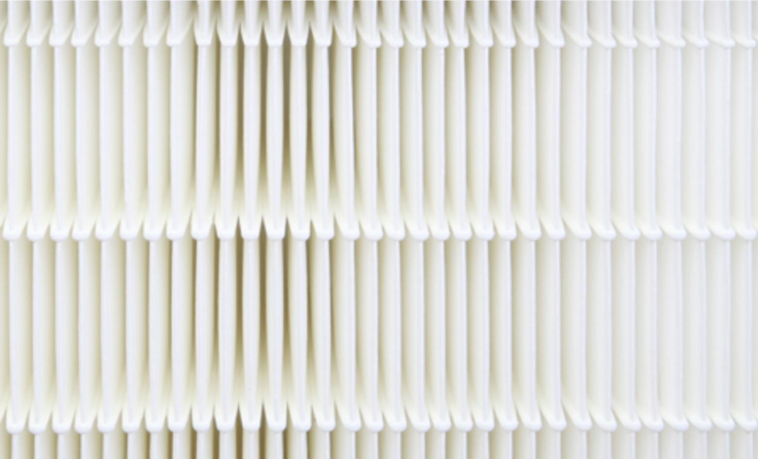
Mini pleat HEPA filters have many, relatively short pleats that are close together. Rather than using conventional corrugated aluminum separator material, mini pleat HEPA filter manufacturers use hot-melt adhesive beads, threads, or some type of support structure to separate each of the pleats. This method enables manufacturers to put more filter media into a small space.
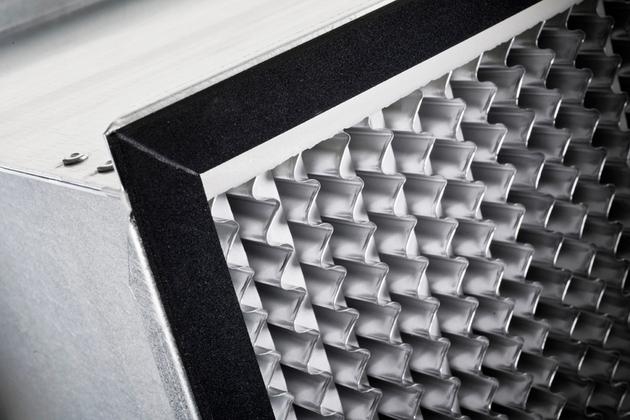
Separator HEPA Filters (sometimes referred to as Deep-Pleated HEPA Filters) are constructed with separator materials, typically aluminum, that have a “corrugated” design. This corrugated design creates distinct air-flow channels within the filter as well as mechanical support for the media pack.
Both designs have the potential to achieve the desired HEPA rating when they are properly designed and each unit is tested individually to determine its level of effectiveness.
2、Mini Pleat vs Separator HEPA: Key Differences
| Comparison | Mini Pleat HEPA | Separator HEPA |
| Pleat design | Closely spaced, short pleats | Deeper pleats |
| Spacing method | Hot-melt beads, threads or similar supports | Corrugated separators |
| Filter structure | Compact and relatively lightweight | Deeper and more rigid |
| Media area | High media area in a compact depth | Depends on pleat depth and filter dimensions |
| Typical advantage | Space efficiency and airflow flexibility | Mechanical support and defined pleat channels |
| Common applications | FFUs, cleanroom ceilings and compact equipment | Industrial HVAC and systems designed for deep-pleat filters |
The actual pressure drop and airflow depend upon the media, dimensions, effective filtration area and rated operating conditions of the filter, as well as the filter itself.
3、When Should You Choose a Mini Pleat HEPA Filter?
When there’s little room for installation, or when you need a smaller final filter for your system, mini-pleats may be a good option to consider.
Typical applications include:
Fan Filter Units (FFUs)
Cleanroom ceiling filtration systems
Clean benches and workstations
Pharmaceutical and electronics production areas
Compact high-efficiency air handling equipment
The narrowness of the pleated design provides a significant amount of filtering surface in a thin profile. The benefit of this is that it allows the manufacturer to design for high airflow while maintaining a minimum profile. However, proper control over the distance between each pleat and the distribution of adhesive used to attach each pleat will be necessary to ensure that the filter does not restrict air flow.
4、When Is a Separator HEPA Filter More Suitable?
If your application has a mechanical support system for its filter media pack and/or the existing housing was constructed with deep-pleats, then using a separator HEPA filter will be a viable choice.
They are commonly considered for:
Industrial air handling systems
HVAC equipment with sufficient installation depth
Existing systems designed for separator-type filter replacement
Applications requiring a robust, rigid filter structure
Corrugated dividers assist with maintaining spacing between each pleat and provide support for the media pack. Buyers will want to consider the filters’ rated air flow, initial pressure drop (resistance), frame design, and operating temperatures prior to making a purchase.
5、What Should Buyers Check Before Ordering?
Before choosing either design, confirm these details with your filter supplier:
Efficiency Level: H13, H14, or other levels as required by the relevant standard.
Rated airflow: The actual airflow required by the equipment.
Initial pressure drop: Compare values at the same rated airflow.
Installation dimensions: Depth of the frame, type of seal and area available.
Operating conditions: Check temperature, humidity, and the possibility of chemical exposure.
Leakage testing: Confirm the required individual filter test and documentation.
OEM (Original Equipment Manufacturer) projects can be assisted by providing equipment drawings, target air flow and required efficiency to allow manufacturers to suggest an appropriate construction.
FAQ
Q1: Is a mini pleat HEPA filter more efficient than a separator HEPA filter?
No. Filtration efficiency is determined by how well the media works, as well as the design of the filter, not just by using mini pleats or aluminum separators.
Q2: Which design usually has a lower pressure drop?
The resistance of mini-pleated designs should be evaluated based upon their ability to produce a large amount of filtration media within a relatively small space. However, when evaluating the resistance of each design, you will need to compare them at the same level of airflow as well as the same size of filter.
Q3: Can mini pleat filters replace separator HEPA filters?
No, sometimes. Verify housing depth, frame size, air flow rate, seal type and how to install prior to replacing.
Q4: Are separator HEPA filters suitable for industrial applications?
Yes. These types of filter housings are typically used in industrial HVAC applications, especially those that accommodate deep pleated filters.
Q5: Can both designs be customized for OEM projects?
Yes. The size, construction material of the frame, efficiency rating of the filter, and type of seal used may be selected based upon your equipment and application needs.
Choose the Right HEPA Construction for Your Project
Both the mini pleat and the separator HEPA filters are equally suitable depending on your installation requirements, the desired air flow rate, the type of environment you will operate in and the design of the equipment you are using.
We provide both small and large pleated HEPA filters for use in cleanrooms, HVAC systems, and other industrial settings. Please submit your requirements so that we can help you find an appropriate OEM/ODM filter option.