Effective indoor air purification requires a sophisticated balance between capturing microscopic particles and neutralizing invisible chemical threats. As you navigate the complex market of air filtration, Healthy Filters stands out as a premier global manufacturer dedicated to engineering high-performance solutions for both residential and industrial environments. With a rich corporate culture rooted in technical precision and environmental sustainability, this industry leader provides expert-grade filter elements that combine longevity with superior efficiency.
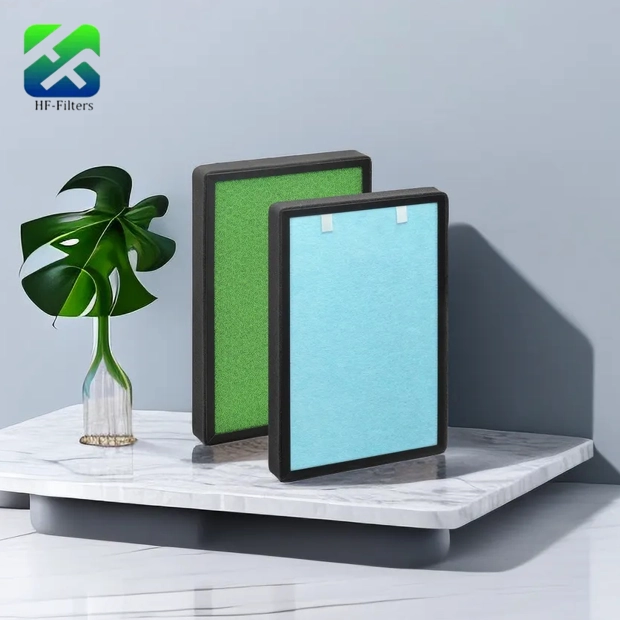
Invisible Threat Analyzing VOCs and Indoor Air Quality
Indoor spaces often hold a mix of gas pollutants that slip past basic filter methods. You need to spot these dangers to get full safety for your home or office area.
Limitations of Standard Particulate Filtration
Basic air filters mainly catch solid bits like dust and pollen. They work well at pulling in particles through strain, but these filters let gas molecules go right through their fibers with no block. So, you cannot count on just physical walls when facing chemical fumes that stay at a tiny level.
The Chemistry of Volatile Organic Compounds
Volatile Organic Compounds (VOCs) are carbon-based chemicals with high vapor pressure at normal room heat. Since they turn to gas fast, you often see them build up near new furniture, paint, or cleaners. These items call for a chemical change or molecule sticking rather than plain catch to clear them from the air flow.
Common Sources of Indoor Odors and Chemical Pollutants
Everyday tasks add to the rise of smells and bad gases. Places like building parts, work tools, and simple home chores create them. One tough pollutant you may face is Hydrogen Sulfide (H2S), which causes lasting “rotten egg” smells and needs exact catalytic handling to wipe it out fully.
Evaluating Traditional HEPA Filters for Chemical Removal
High-Efficiency Particulate Air (HEPA) filters set the standard for clean air, yet their work against gases ties to their build and inner parts.
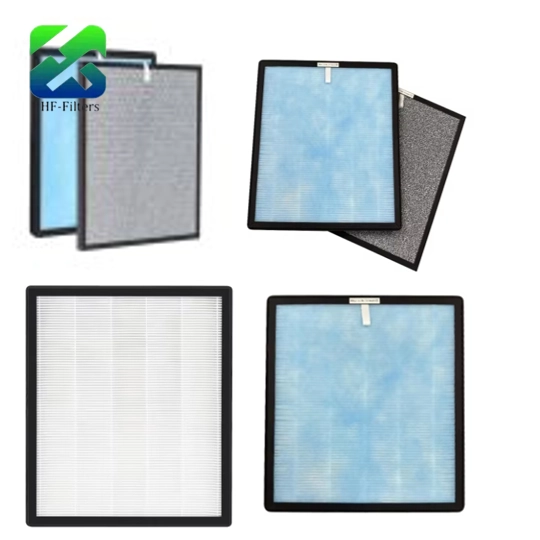
Mechanical Filtration of H13 True HEPA Filters
An H13 grade filter gives health-level capture by grabbing 99.97% of bits down to 0.3 microns. This fine work suits removing allergy triggers and germs. But the thick glass fiber net in a regular HEPA filter lacks the traits to cancel chemical smells or split VOC molecules on its own.
The Role of Activated Carbon in Physical Adsorption
To handle gases, many top filters add an activated carbon layer. This stuff has a huge inner area with countless small holes that hold gas molecules by sticking process. It works well, but the carbon fills up over time, so you must swap it to keep the job going.
Product Spotlight HEPA Filter Replacement Activated Carbon Filter
For users with gear like the Hathaspace unit, the HEPA Filter Replacement Activated Carbon Filter provides a even mix. It pairs H13 particle hold with a set carbon step to cut home smells and usual chemical gases in a solid way.
Science of Photocatalysis: Exploration of Molecular Decomposition
Photocatalytic oxidation moves from just holding pollutants to breaking them down with smart chemical steps.
Mechanism of UV Light Activation and Free Radical Generation
A photo-catalyst filter uses a semiconductor base, often Titanium Dioxide (TiO2), which turns active under ultraviolet (UV) light. When hit by light, it makes hydroxyl radicals and superoxide ions on the filter face. These strong agents hit the links in organic pollutants as they move past the filter.
From Pollutants to Harmless Byproducts Water and Carbon Dioxide
Unlike carbon filters that keep chemicals, photocatalysis turns VOCs into safe basic parts. Most organic items change to small bits of water steam and carbon dioxide. This clean-up feature stops the filter from making new dirt as time goes on.
Breakdown of Stubborn Gases Like Hydrogen Sulfide H2S
Studies prove that tuned photocatalytic setups handle bad-smelling gases like H2S very well. By linking light spread with mass move in a full physics model, you gain exact break-down. In fact, a 8 mm hole size in the catalyst plate cuts break-down time by 10.69% and drops energy use a lot.
Performance Comparison Photocatalytic Oxidation vs Physical Adsorption
To compare these methods, check both quick clear rates and ongoing run costs to pick what suits your setup.
Efficiency in High Humidity and Variable Light Intensity
Photocatalytic filters do great in different spots, as long as light turns them on enough. High dampness may fight for spots on a basic catalyst at times, but new changed L-H kinetic models let you tweak the build to hold strong work even when it’s wet.
Lifespan and Maintenance Needs of Different Filter Media
Regular carbon filters drop in power as holes get full, so they have a clear end date for smell cut. On the other hand, a photo-catalyst filter works as a helper in the reaction, which means it does not get used up. Thus, it gives you a longer work life for chemical clear than old sticking stuff.
Comparison of Energy Consumption and Airflow Pressure Drop
Power use matters a lot for steady air cleaning. New tests show that tuning the catalyst plate build can cut pressure loss by 32%. This lets your clean system handle more air with less power draw, so it turns into a greener pick for daily runs.
Integrating Technologies The Power of Multi Stage Filtration Systems
The best air cleaners do not pick one method over another; instead, they blend them to build a full shield against all indoor dirt types.
Synergistic Effects of Combining HEPA with Photo Catalyst Media
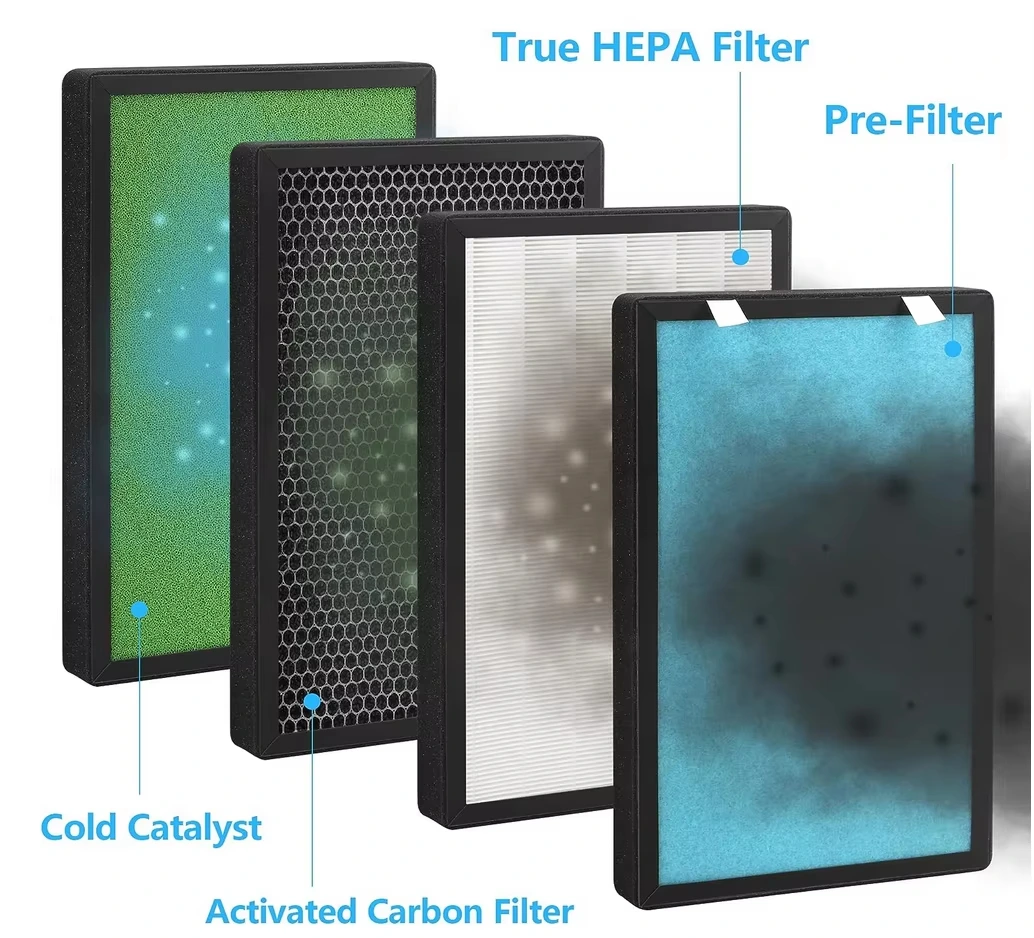
When you pick an H13 OEM Replacement True HEPA Filter, the HEPA part guards the photo-catalyst by pulling dust that might cover the catalyst face and stop light. This team work keeps the photo reaction at full power to wipe out VOCs and H2S.
Enhancing Biological Protection with Anti bacterial Filter Media
In spots where germs grow easy, an added layer gives more safety. The Anti-bacterial HEPA Filter Media uses handled fibers to block germ and mold spread. So, it keeps the filter clean even in wet or busy spots.
Why Healthy Filters Is Your Premier Partner for Advanced Air Filtration
Picking the right team for air clean parts means you get items tested hard with fresh making ways.
- Superior OEM and ODM Manufacturing Capabilities
- Rigorous Quality Control and H13 Certification Standards
- Innovative Customization for Specialized Industrial Applications
- Global Supply Chain Excellence and Distributor Support
- Commitment to Sustainable and Eco Friendly Material SourcingReady to elevate your indoor air quality with science-backed filtration? Visit Healthy Filters today to explore our high-efficiency H13 HEPA and innovative photocatalytic solutions. Contact the experts to customize the perfect filter for your needs and start breathing cleaner, healthier air in your home or office.
FAQ
Q1: Does a photo-catalyst filter require special maintenance?
A: In general, you just need to check that the UV light source works and the face stays clear of thick dust thanks to a front HEPA filter to keep the reaction strong.
Q2: Can HEPA filters remove cooking smells or cigarette smoke?
A: A regular HEPA filter cannot cut smells; but carbon-mixed types like the HSP001 replacement aim to stick those gas smells.
Q3: Is the UV light used in these filters safe for home use?
A: Yes, the light stays inside the air purifier’s build, so you face no direct rays while the air gets treated.
Q4: How often should I replace a multi-stage filter containing a catalyst?
A: The catalyst lasts long on its own, but you should swap the full HEPA and carbon parts every 6 to 12 months based on your air state.
Q5: Why is pressure drop important for my air purifier?
A: Less pressure drop means the fan works less to push air through, which cuts noise and trims your power bill each month.