Air filtration goes well past basic dust catching these days. The knowledge about picking chemicals now decides how well filters grab, cancel out, or break down floating pollutants in the air. In places like cleanrooms, factories, or medical centers, picking the proper chemical material sets the level of work and lasting time for the whole setup.
If you look into better air cleaning options, Healthy Filters gives a full set of factory and home setups based on exact science. Their solutions cover spots from labs to food handling areas, making sure every filter hits tough rules like HEPA and ULPA. With long years in making and research, Healthy Filters’ team offers custom setups backed by a way of new ideas and care for the surroundings, as shown on their corporate culture page.
The Role of Chemical Selection in Air Filtration
The makeup of chemicals shapes how a filter acts against various dirt particles. Materials that soak up, like activated carbon or zeolites, depend on outer layer reactions to hold onto bits, whereas starters like titanium dioxide change bad gases into safe ones via burning or light-based breaking.
Chemical Adsorption Mechanisms
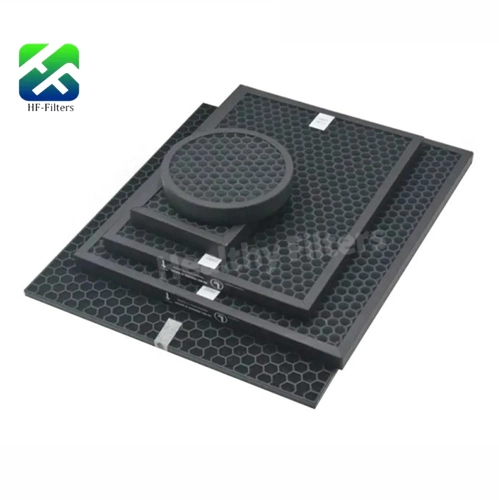
Activated carbon decomposes harmful gases and various odors in the air, such as formaldehyde, ammonia, benzene, cigarette smoke, and cooking fumes, through its combined functions of physical adsorption and chemical decomposition. This works based on the layout of holes and outer power, where tiny holes grab small bits and bigger ones deal with easy-to-evaporate organics. Things like dampness and warmth affect how fast and how much it soaks up. For example, too much water fights for spots to stick, which cuts down the work unless drying agents like silica gel get added in.
Impact on Filtration Efficiency and Performance
The pick of chemical ties straight to how well it clears out certain dirt. Activated carbon stands out in holding organic steams, and potassium permanganate burns sour gases, while titanium dioxide breaks VOCs with UV light. Yet, every chemical type has bounds, as carbon fills up after a while, and permanganate needs checks for renewal. When you balance these traits, it keeps strong work without often swapping parts.
Compatibility with Different Air Filtration Technologies
Today’s cleaning setups often mix solid blocks like HEPA layers with chemical sheets for tiny particle handling. HEPA filters are characterized by allowing air to pass through while preventing fine particles from passing through.When you blend chemicals into HEPA or activated carbon setups, it boosts work in tough spots like chip-making rooms or medical sites. Systems with many steps apply step-by-step soaking and starting reactions, which lengthen use time and keep low air push.
Five Key Chemicals Used in Modern Air Filtration Systems
Choosing fitting chemicals involves matching soak-up or starter items to hit dirt well, all while cutting down upkeep expenses.
Activated Carbon as an Adsorbent Material
Coconut shell activated carbon is produced from high-quality coconut shells through a series of advanced processing techniques. It features well-developed pores, excellent adsorption capacity, high strength, easy regeneration, and cost-effective durability. Its huge outer space lets it grab smells and organic gases solidly in factory vent lines or household cleaners. Still, its soak-up power drops with dampness or fullness, so it calls for right-time change or renewal.
Potassium Permanganate for Oxidation Processes
This substance clears sulfur dioxide, hydrogen sulfide, and formaldehyde by burning them into harmless salts. It finds broad use in gas filters where smell handling matters a lot. The key issue comes with throwing it out, since used parts hold manganese leftovers that need careful dealing.
Zeolites for Enhanced Filtration Capabilities
The function of molecular sieve catalyst is to accelerate the oxidation decomposition speed through catalysis, thus improving the service life and working efficiency of formaldehyde and benzene particles. Zeolites’ crystal form holds charged bits like ammonia or steam through swap of ions. They fit best in factory air driers or spots that need exact damp control, which helps in steady operations.
Titanium Dioxide for Photocatalytic Reactions
Photocatalyst is a nano-scale metal oxide material (Titanium dioxide is commonly used), which is coated on the surface of the substrate and produces strong catalytic degradation function under the action of light. When UV light hits, TiO₂ makes hydroxyl bits that split VOCs into CO₂ and water with no extra dirt. It gets used a lot in light-break filters paired with HEPA sheets to keep ongoing clean-up power.
Silica Gel as a Moisture Control Agent
Silica gel steadies filter work by taking in extra damp that might cut soak-up strength of other items like carbon or zeolite. It plays a vital role in wet-heavy uses, such as shore-based HVAC units, yet it requires regular renewal after filling up.
Evaluating Healthy Filters’ Product Offerings
A good mix of chemistry and build work marks the win of an air cleaning setup. Healthy Filters weaves these ideas into special items made for hard factory settings.
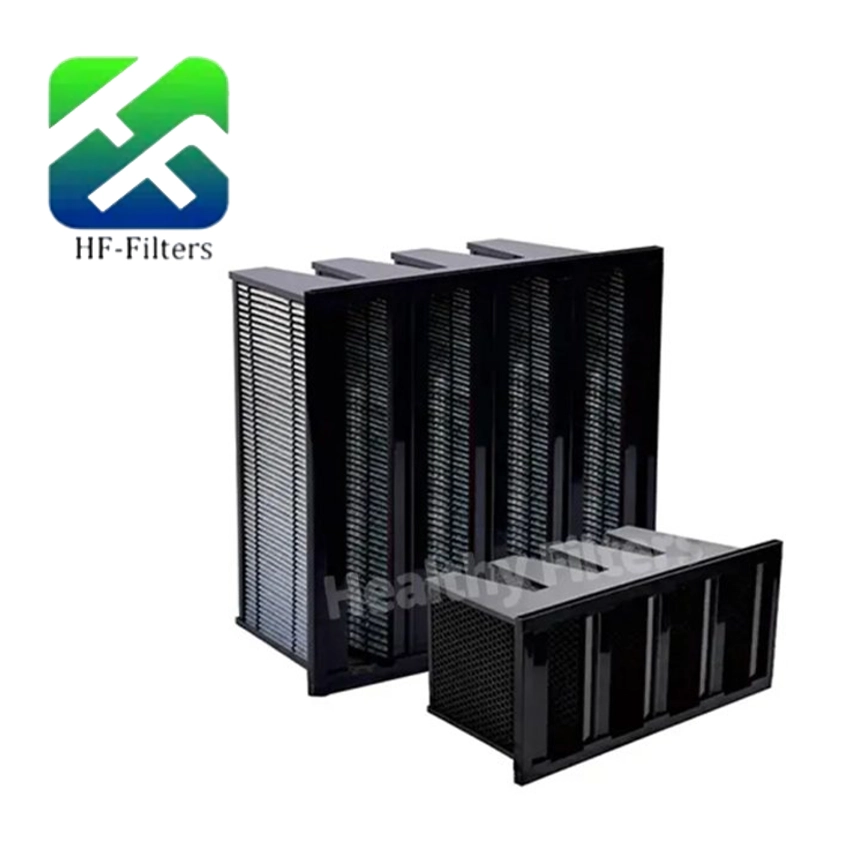
V Bank Activated Carbon Pleated Media Compact Air Filter
The V Bank Activated Carbon Pleated Media Compact Air Filter employs top activated carbon bits set in man-made threads to clear bad gases well. These V-bank activated carbon air filters feature a V-shaped design with a deep structure filled with high-quality granular activated carbon or impregnated carbon fibers. Such a setup boosts the touch space between air and soak-up parts, giving firm smell handling even in high-pressure factory conditions.
Partnering with Healthy Filters
Picking a skilled ally makes tough cleaning issues easier in fields from labs to food lines. As a professional air filter and industrial filter manufacturer in China, Healthy Filters boasts extensive experience in the design, manufacture, and supply of high-quality filters and filter elements. Their ISO9001-certified production lines combine composite technology with nanofiber innovation to deliver reliable solutions quickly worldwide.
Their commitment goes beyond manufacturing; it’s about building trust through responsive service and technical expertise that adapts to your operational environment.
FAQ
Q1: What determines which chemical is best for my air filtration system?
A: The choice depends on target pollutants—carbon suits organic vapors; permanganate handles oxidizable gases; titanium dioxide works under UV exposure for VOC breakdown.
Q2: How often should activated carbon filters be replaced?
A: Replacement frequency varies by pollutant concentration but typically ranges from three to six months depending on airflow rate and humidity levels.
Q3: Can different chemicals be combined in one filter?
A: Yes, multi-stage designs often integrate adsorbents like carbon with catalysts such as TiO₂ to broaden contaminant coverage while extending lifespan.
Q4: Does silica gel affect airflow resistance?
A: Minimal impact occurs when properly layered since it primarily regulates moisture rather than acting as a dense particulate barrier.