Picking the right filter screen can feel overwhelming if you’re new to it. These common filtration materials are everywhere—clean workshops, HVAC systems, you name it. Let’s break down the key grading standards and how to pick one that fits, no jargon overload.
Key Filter Screen Grading Standards
Filter screens are graded by filtration efficiency and precision, and three standards are used most worldwide: European (EN), American (ASHRAE), and Chinese (GB/T).
European Standards (EN 779 & EN 1822)
This is the go-to standard globally. It grades screens by how well they filter: G1-G4 are coarse filters (for big particles), F5-F9 are medium filters (for smaller stuff). Simple rule: higher letter/number = better efficiency.
American Standard (ASHRAE 52.2)
You’ll hear this called MERV rating (Minimum Efficiency Reporting Value) — grades 1 to 20. Just like European standards, higher MERV means the screen catches tinier particles. MERV 13+, for example, is great for spots needing clean air.
Chinese Standard (GB/T 14295)
China’s national standard covers G1 to U17, mixing both efficiency and precision. Same logic applies: the higher the grade, the more effective the filtration.
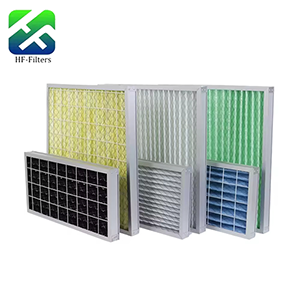
4 Simple Tips to Pick the Right Filter Screen
– Match efficiency to your need: Clean workshops or labs need high efficiency—go for F-class (European) or MERV 10+ (American). Basic HVAC? G-class or low MERV works.
– Pick precision for particle size: Need to catch fine dust or fumes? Grab a high-grade screen (like F8 or MERV 16). Big debris only? Stick to coarse grades.
– Check your environment: Hot, humid, or chemical-heavy spots? Pick a screen with materials that hold up (like stainless steel for moisture). Regular rooms? Standard materials are fine.
– Don’t overspend on “better”: A top-grade screen is wasted in a garage. Balance price and performance—get what you need, not the priciest option.
The right filter screen keeps your systems running and air clean. Just match the grade to your space, check the standard ratings, and you’ll nail the choice. No fancy expertise needed—just focus on what your space actually requires.