
Delhi’s winter air blends crop smoke with vehicle exhaust and heavy street grime. Searching for a “Delhi air pollution filter“? Inspect your building first. Review your air-handling unit and rated airflow. Measure filter depth. Ensure maintenance access is simple. These details guide a solid filtration strategy.
Smoke carries fine particles alongside harsh odors. A proper stubble burning air purifier needs a dedicated section just for soot. It may also require active carbon. This targets distinct toxic gases. A PM2.5 filter only indicates the capture size. Overall system success goes beyond that label. Real performance relies on strict test methods and exact airflow ratings. Secure frame fits matter greatly. Stopping bypass air leaks is just as crucial.
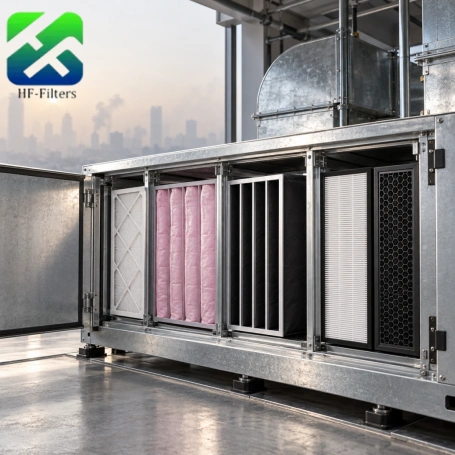
Why Delhi’s Winter Smog Calls for a Layered Filter Plan
Farm smoke mixes with car dirt and road dust outside. Inside your system, each filter step does a special job. A G4 prefilter catches big dust first. This protects the filters behind it. Next, an F7 or F9 acts as the middle step. Then, a HEPA filter stops very fine dirt under its rated test rules. Activated carbon traps specific smells and bad gases. Its success depends on the carbon amount, the exact gas, airflow, and how long the air touches it.
For winter smog HVAC filtration, always check how all these filters together change the fan pressure and airflow.
Match the Filter Stages to the Building
Start by looking at your room. Check how much fresh air it needs and your fan’s extra pushing power. View any filter list as just a starting point. Then, check your machine’s rated airflow and filter dimensions. Also, look at the tight seals and how easy it is to swap parts. The filter product list has many choices for different air-cleaning needs.
Homes and Schools
A G4 prefilter grabs large particles first. This stops the next filter from clogging up quickly. You can install HEPA. However, ensure the unit maintains normal airflow through this denser material. Always inspect the frame seal. Leave enough clearance for easy swaps.
Offices and Commercial Buildings
Place an F7 or F9 filter midway in your layered design. Add a HEPA stage if site rules demand ultra-pure air. Use carbon when harsh odors or distinct gases cause real trouble. Always review the fan curve. Do this before approving the final setup.
Hospitals and Controlled Spaces
Check facility codes regarding filter class, room pressure, and leak protocols. Ensure the last filter seals perfectly. Confirm the fan holds enough power. Then, choose H13 or H14. Real-world success relies heavily on strict seals. Solid airflow and rigorous testing matter just as much.
Track Filter Condition Through Smog Season
Write down your clean-filter numbers before the outside dirt gets heavy. Record the pressure drop, airflow, fan setting, and how the seals look. During the bad season, match those numbers against your machine’s limits. Look closely for torn paper, sneaky dust leaks, and wet spots. The filter’s color gives you a quick hint. But your pressure and air logs tell you the real story. Pick the time to swap filters using both the maker’s guide and your own daily notes.
Specify the Filter Bank Before You Request a Quote
When you search “HEPA filter India,” match the paper facts with your actual machine. List the width, height, and depth. Note the rated airflow, starting push, and ending push. Write down the filter class, test method, frame material, and any carbon needs. Ask if the maker can cut custom sizes. Buyers must also check local shipping rules and BIS needs for the final part.
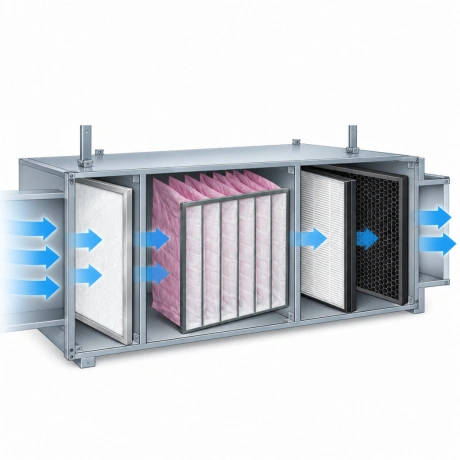
A Practical Fit for Seasonal Filter Planning
First, write down your airflow, dimensions, fan limits, and smell targets. Then, match the filter types against your real needs. Healthy Filters makes prefilters, HEPA parts, and activated-carbon choices for air machines and vents. They offer custom shapes for some items. Read each product’s paper to see its exact test method, airflow, and air block numbers.
FAQ
Q1: Does a HEPA Filter Remove Smoke From Stubble Burning?
A: It catches the solid bits in the smoke if your airflow and seals are right. But smoke smells and bad gases need a special carbon filter chosen for that exact job.
Q2: Do You Need Activated Carbon With HEPA?
A:Include it only if odors or harmful gases are clear issues. Also, ensure the carbon volume fits your airflow. It must target the specific gas you need to capture.
Q3: How Often Should You Change Filters During Smog Season?
A:Estimate replacement times using pressure drops and air velocity. Track run hours and visual condition, too. Always record baseline data before heavy smog arrives. Inspect the system frequently once pollution peaks.
Q4: Can You Add HEPA Filtration to an Existing AHU?
A:First, verify fan capacity and rated airflow. Check frame dimensions and sealing limits. Prevent bypass air leaks. Ensure the setup remains accessible. Finally, run a leak test after installation.
Q5: What Is the Difference Between PM2.5 and PM10?
A: These tags just describe the size of the dirt bits. PM2.5 is the smaller dirt hidden inside the PM10 group. Always use your building’s real dirt facts to pick a filter. A simple size tag does not promise how well the whole machine will work.