Dry indoor air frequently causes discomfort and affects well-being, especially during cold seasons. Evaporative humidifiers help fix this problem by adding moisture with a wick filter that draws in water and releases it as soft vapor. Your choice of filter material plays a big role in how well the unit runs, how easy it stays to maintain, and how much you spend over time. The two most common types remain traditional wood pulp paper filters and newer aluminum foil panels.
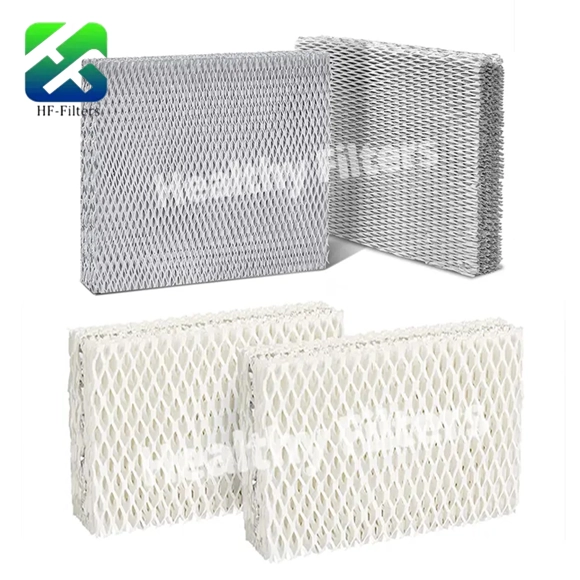
When you look for solid replacements, Healthy Filters stands out as a seasoned specialist with over 15 years in air filtration solutions. Based in Shenzhen and backed by a warehouse in the USA, the company provides top-notch, customizable humidifier filters with fast delivery worldwide.
What Are Humidifier Filters and Their Key Benefits?
Humidifier filters, often called wick filters, act as the main part inside evaporative humidifiers. They quickly soak up water from the reservoir, allow air to move through the wet surface, and steadily release moisture into your rooms while catching minerals and tiny particles.
Role in Evaporative Humidification
The filter serves as a wide surface where water spreads out evenly across a large area. As air flows over this damp material, it picks up moisture naturally and carries it around the space. Good filters keep humidity steady in the best 35% to 55% range, which helps your health and makes daily life more pleasant.
Health and Comfort Advantages
Proper humidity levels ease dry skin, calm sore sinuses, and reduce breathing troubles. Moreover, they protect wooden furniture and musical instruments from cracking due to low moisture. Filters that catch dust and minerals well also stop annoying white dust from covering tables and shelves.
Prevention of Airborne Contaminants
Effective humidifier wicks capture minerals and impurities in the water, which prevents these particles from entering the air. This way, the vapor stays clean, and the risk of spreading bacteria or mold drops a lot.
Material Differences Between Aluminum and Paper Filters
The main material greatly affects everyday use and lasting results. Aluminum and paper filters differ clearly in how they are built and how they behave over weeks and months.
Aluminum Foil Construction
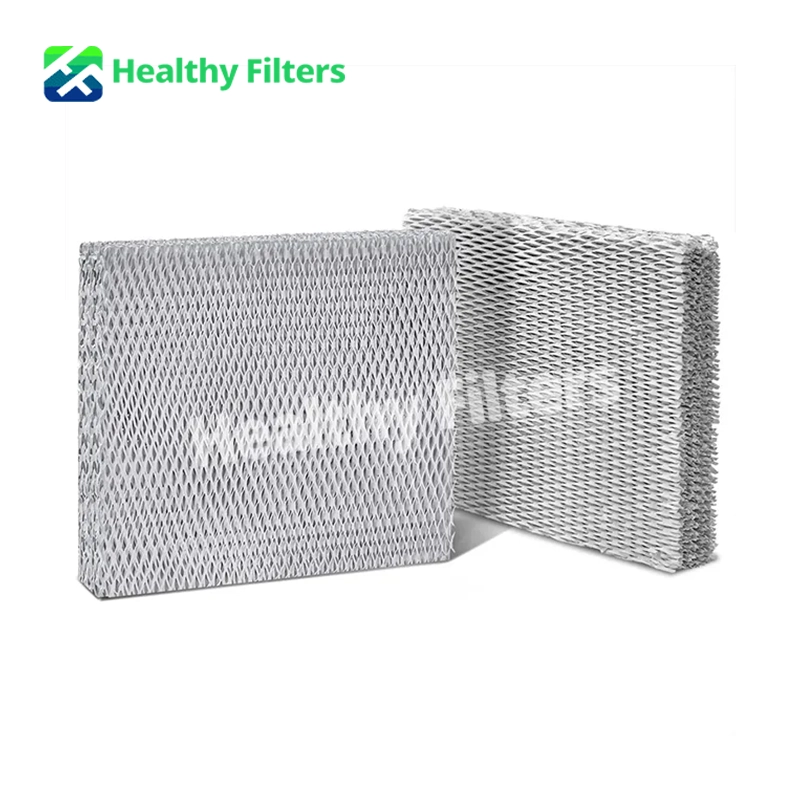
Aluminum filters use tough aluminum foil formed into a firm cross-linked panel shape. A special clay coating with high water-holding power covers the surface, which greatly increases retention and widens the evaporation zone. This setup gives strong rigidity plus good protection against acids, alkalis, and heat.
Wood Pulp Paper Structure
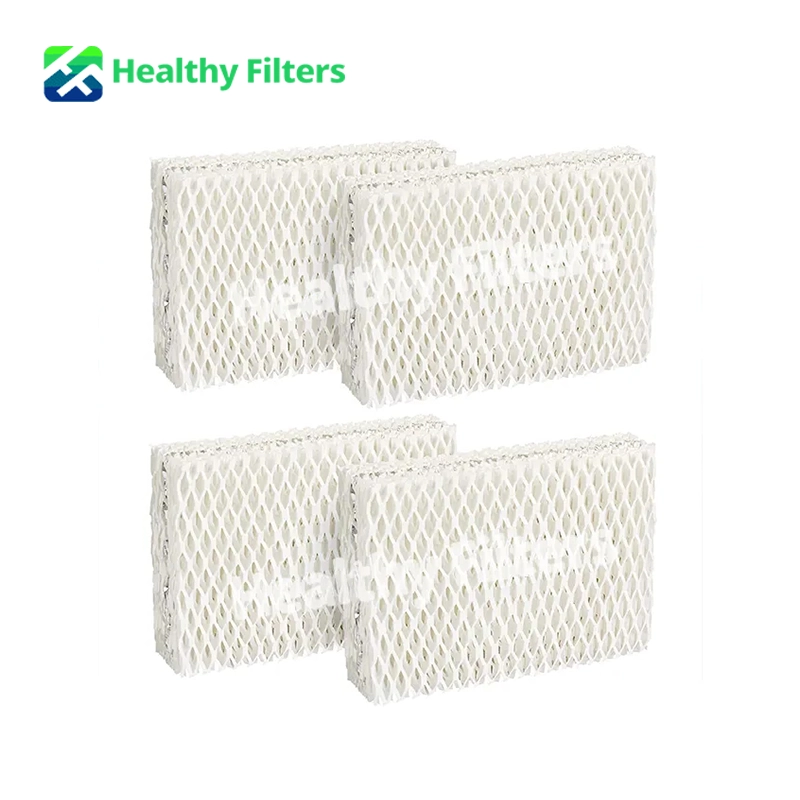
Paper filters depend on specially treated wood pulp turned into a very porous sheet. Makers usually add antibacterial and anti-mold agents during production. Such steps create fast early absorption and solid strength right from the start.
Impact on Water Absorption and Evaporation
Aluminum panels hold much more water because of their bigger surface and unique coating, so they achieve higher evaporation speeds. Paper filters take in moisture quickly at the beginning, but they often hit limits sooner, mainly in places with hard water.
Core Performance Functions
Both kinds manage basic humidification tasks fairly well, yet clear differences show up in steady output and keeping air clean.
Moisture Output Efficiency
Aluminum filters give stronger and more reliable moisture release thanks to better water storage and faster spreading. Paper filters work fine early on, yet their output slowly falls as minerals pile up.
Impurity Trapping Capabilities
Both materials grab minerals successfully, although aluminum deals with thick buildup much better without blocking fast. Paper filters catch small particles nicely at first, but performance usually drops quicker from heavy deposits.
Antibacterial and Mold Resistance
Plenty of paper filters include built-in antibacterial features from manufacturing. Aluminum filters fight mold growth naturally with their non-organic makeup and easy cleaning, so they limit bacteria over longer periods.
Suitable Application Scenarios
Your daily habits and setup largely guide which type fits best.
Residential Whole-House Systems
Whole-house humidifiers run nearly nonstop in heating seasons. Aluminum filters perform strongly here by providing longer service and stable results even with constant demand.
Portable and Seasonal Use
Portable models turned on only now and then match well with low-cost paper filters. Replacement costs stay small because you use the device just a few months each year.
Hard Water or High-Usage Environments
Regions with hard water produce heavy mineral layers quickly. Aluminum filters handle scaling far better and keep working efficiently longer in those harsh settings.
Durability and Maintenance Comparison
Lasting strength directly shapes user ease and total spending.
Lifespan and Replacement Frequency
Paper filters usually last 2 to 6 months, changing with water quality and hours of use. Aluminum filters often reach 6 to 12 months of steady operation, and even more with regular care.
Washability and Reusability
Aluminum panels allow easy rinsing under water that clears mineral residue well, and this step extends life a great deal. Paper filters need full swaps once they fill up or clog completely.
Resistance to Wear and Minerals
Aluminum stands up strongly to rips, bending, and thick mineral coats. Paper tends to get softer when wet and wears out faster under tough mineral conditions.
Cost Analysis and Long-Term Value
Money matters go far beyond the first price.
Initial Purchase Price
Paper filters offer a cheaper starting point, which draws buyers keeping an eye on spending. Aluminum filters ask for a bigger upfront amount due to better materials and detailed making.
Ongoing Replacement Expenses
Frequent paper filter changes add up noticeably over time. Aluminum filters lower swap needs sharply, which cuts yearly costs in many cases.
Overall Cost-Effectiveness
Aluminum types generally bring greater savings in the long run, especially for nonstop use or hard-water homes. Check Aluminum Humidifier Replacement Filters for tough reliability and Wood Pulp Paper Filter for simple short-term choices.
Why Choose Healthy Filters for Your Humidifier Needs
Choosing a solid supplier promises steady quality and quick help.
Premium Quality and Customization Options
Healthy Filters builds both aluminum and paper filters with tight quality checks. They happily adjust sizes and features to meet exact needs.
Extensive Compatibility and OEM Expertise
Their filters match most common evaporative humidifier models perfectly. Years of OEM work guarantee proper fit and smooth running always.
Reliable Service and Global Reputation
Speedy delivery from USA warehouse stock, fast responses to questions, and a strong worldwide name make Healthy Filters a safe pick for replacement filters everywhere.
FAQ
Q1: Can you wash aluminum humidifier filters?
A: Yes, aluminum filters support water rinsing to remove mineral buildup and extend lifespan.
Q2: Which filter works better in hard water areas?
A: Aluminum filters resist mineral scaling better and maintain performance longer in hard water.
Q3: Do both filter types have antibacterial properties?
A: Many paper filters include antibacterial treatment, while aluminum filters resist mold naturally through their material and washability.