
Anyone who spends time indoors knows how annoying stale, smelly HVAC air can be. You clean your space regularly, change your HVAC Filter on schedule, yet the air still feels stuffy or holds weird lingering odors. That’s the limitation of standard filters. They only catch dust and debris, leaving fumes, odors and invisible pollutants circulating nonstop. This is why adding an Activated Carbon Filter makes such a huge difference, especially the upgraded Honeycomb Carbon Filter that I always recommend for long-term HVAC use.
From years of servicing residential and commercial HVAC systems, I’ve seen the same issue repeatedly. Property owners only use basic filters, thinking routine Air Filter Replacement is enough to keep air fresh. But standard HVAC Filter models are built just to protect your HVAC equipment, not to purify indoor air. If you’re dealing with pet smells, musty AC odors, paint fumes or outdoor traffic smells, regular filters simply can’t help you.
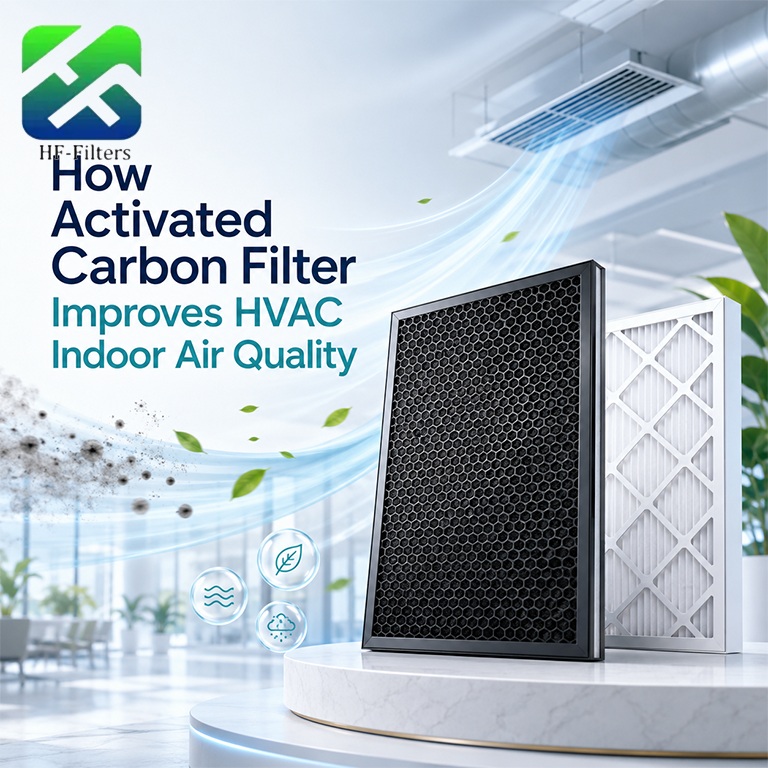
Why Regular HVAC Filters Can’t Fix Poor Indoor Air Quality
Basic HVAC Filter media only does one job: trapping solid particles like dust, hair and lint. It keeps your HVAC coils and ducts from clogging up, which is great for equipment protection. But when it comes to gaseous pollutants and odors, it’s completely useless.
These invisible VOCs and odor molecules keep recirculating through your system. Even if you do frequent Air Filter Replacement with generic filters, you’re only removing dust—you’re not cleaning up the actual pollutants that make indoor air uncomfortable.
Honeycomb Carbon Filter: The Best Carbon Upgrade for HVAC
Not all Activated Carbon Filter options perform the same. Old loose carbon filters fill up fast, lose effectiveness quickly, and force you into constant replacements. That’s why the Honeycomb Carbon Filter is such a big improvement for modern HVAC setups.
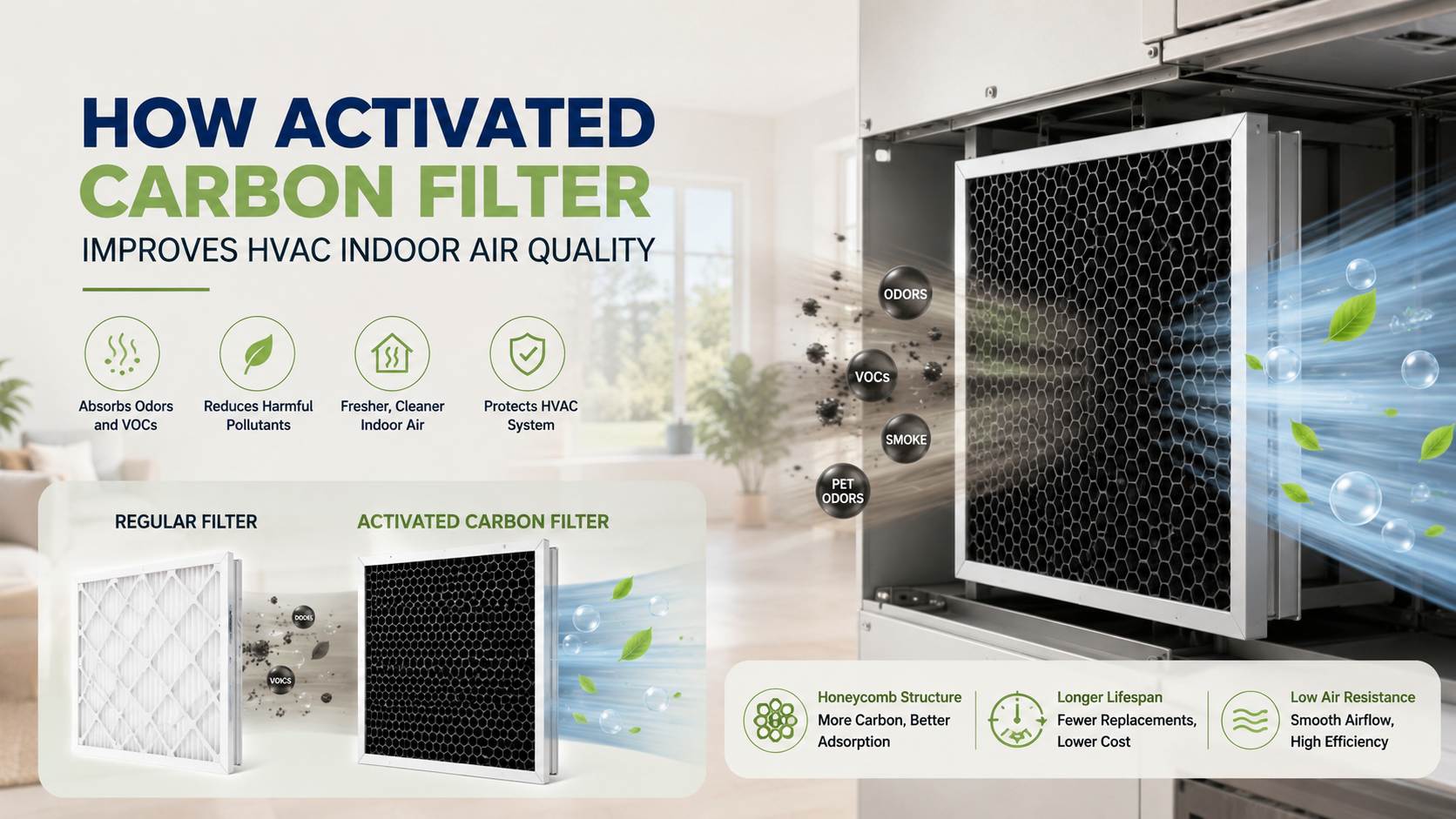
Its structured honeycomb design holds way more activated carbon than traditional styles. It has more surface area to absorb odors, VOCs and light chemical fumes, without blocking airflow. It solves the two biggest headaches of regular carbon filters: poor adsorption and fast saturation. For everyday HVAC use, this version is far more stable and practical.
Real, Noticeable Improvements From Carbon HVAC Filters
First, it gets rid of stubborn odors once and for all. Whether it’s lingering cooking grease smells, damp musty air, pet odors or outside street fumes, a quality Activated Carbon Filter neutralizes them. The Honeycomb Carbon Filter does this more reliably, so odors don’t bounce back after a few weeks of use.
Second, indoor air feels naturally fresher. A lot of people feel tired or lightheaded after staying indoors all day. Most of the time, it’s not fatigue—it’s unfiltered VOCs and chemical residues floating in the air. Swapping your regular HVAC Filter for carbon media makes indoor spaces much more comfortable to live and work in.
Third, it cuts down your maintenance work. Cheap carbon filters need replacing every few months. The robust structure of a Honeycomb Carbon Filter lasts much longer, meaning fewerAir Filter Replacement cycles and lower long-term upkeep costs.
Simple Replacement Mistakes Most People Make
I’ve seen many users install carbon filters yet get bad results. The top mistake is pairing a good Activated Carbon Filter with a low-grade front filter. Thick dust covers the carbon layer quickly, saturating it early and killing its performance.
Many people also put off changing their filters until it’s too late.Once a honeycomb carbon filter is full and saturated, it can no longer absorb pollutants in the air.What’s even more problematic is it may slowly let locked-in odors escape back into the room, making indoor air quality much worse than it originally was.
Closing Note
Basic HVAC filters are there to safeguard your ventilation hardware, while carbon-activated filters are meant to keep indoor air clean and pleasant.If you’re annoyed by stuffy, foul-smelling indoor air, switching to a honeycomb carbon filter is the most straightforward and efficient way to fix the issue.Follow a regular filter replacement routine, and your HVAC system will run reliably, supplying steady clean, fresh air every day all year long.
FAQ
What exactly sets activated carbon filters and honeycomb carbon filters apart?
Honeycomb carbon filters are essentially an enhanced upgrade over traditional activated carbon types. They pack more carbon content, deliver far better odor removal performance, come with a longer service life, and won’t restrict airflow like conventional carbon filters often do.
Is a carbon filter necessary for HVAC systems?
It’s essential if you struggle with odors, stuffy air or chemical fumes. Standard HVAC Filter can’t remove these pollutants, while carbon filtration delivers real air purification.
How often should I schedule Air Filter Replacement for carbon filters?
For homes, replace your Honeycomb Carbon Filter every 6–12 months. For commercial spaces or odor-heavy environments, replace every 4–6 months to keep HVAC air quality at its best.