
Industrial manufacturing tends to spotlight major outlays such as raw materials, workforce, and equipment. Still, a major unseen expense remains out of view. It concerns the power needed to drive air via HVAC and filtration arrangements.
Facilities depending on effective air cleaning benefit from knowing pressure drop, which means the opposition to air flow. This insight provides a direct method to lower monthly power charges.
What is Pressure Drop and Why Does It Affect Your Bottom Line?
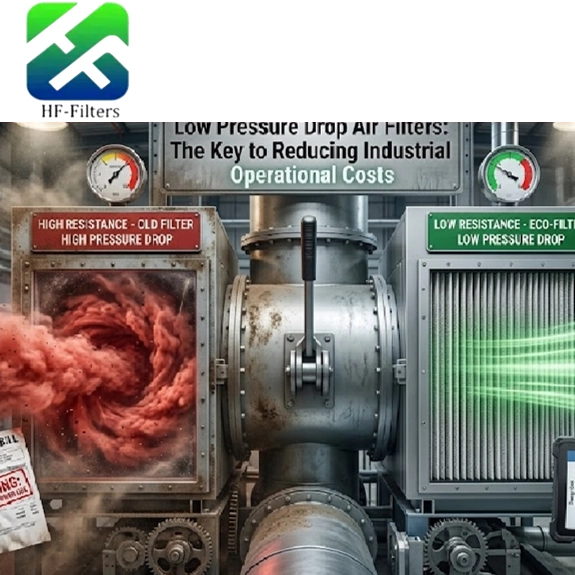
View an air filter similar to a protective face covering. When the fabric grows too thick or filled with dirt, drawing in breath demands more effort. Within a factory context, fans and blowers perform this role for the whole structure.
A filter showing high pressure drop compels the engine to labor much more to sustain needed air movement. Consequently, various problems emerge. For one, energy demands grow. Even a slight rise in opposition can result in thousands of dollars added to yearly electricity bills.
Moreover, gear deteriorates at a quicker pace. Engines under heavy load produce more warmth and break earlier. Such outcomes bring high costs from halted production.
Air purity turns variable too. As opposition increases, the amount of air passing through drops. This situation may not fulfill requirements for clean areas or protection guidelines.
These effects compound over time. Managers often overlook them until bills climb or breakdowns occur. Understanding pressure drop helps prevent such surprises.
The Solution: High-Efficiency, Low-Resistance Filtration
Numerous supervisors think that stronger filtration performance, for example HEPA, naturally raises power expenses. Yet, current progress in material studies has altered this notion. Through employing advanced synthetic fibers and optimized pleat designs, superior trapping of PM2.5 and small particles becomes possible. And this occurs with far less opposition.
Such innovations stem from careful engineering. Designers focus on balancing capture rates with smooth air passage. As a result, systems run with less strain overall.
Key Benefits of Low Pressure Drop Filters:
Immediate Energy Savings: Adopting a low-resistance filter typically cuts fan power use by 15% to 30%. The change delivers quick returns on investment.
Extended Filter Life: These units frequently possess greater capacity for dust retention. Therefore, replacements happen less often, easing upkeep schedules.
Sustainability (ESG) Goals: Decreased power consumption straightaway shrinks the site’s carbon output. This aids in reaching business aims for ecological responsibility.
Additional advantages include better system harmony. Low pressure drop filters integrate seamlessly with existing setups. They maintain steady performance without frequent adjustments. Facilities gain from reduced noise levels as fans operate less intensely. Over the long run, this contributes to a more reliable production environment.
How to Choose the Right Filter for Your Facility
As you assess the upcoming supply of filters, go beyond the starting cost. Factor in the Total Cost of Ownership (TCO). An inexpensive option featuring high pressure drop ends up costing more in power fees after mere months.
Begin by reviewing key specs. Check the CADR and Initial Resistance: Select filters providing robust Clean Air Delivery Rates paired with the minimal “initial Pascal (Pa)” values. This approach ensures value without hidden drawbacks.
Next, inspect component standards. Evaluate Material Quality: Spherical activated carbon combined with top-quality glass fiber layers provide superior routes for air compared to uneven or fragmented substitutes. Reliable materials withstand daily wear better.
Finally, track system indicators. Monitor Pressure Gauges: Should the pressure drop in your arrangement double from the time of setup, a switch is necessary. Routine monitoring spots issues early and preserves efficiency.
To make informed decisions, consult performance data from suppliers. Compare how different models handle real conditions like dust loads or humidity. Testing samples in your space reveals practical differences. This methodical process leads to choices that fit your operations precisely.
Conclusion
Refining air filtration extends past mere purity concerns. It centers on smooth running of processes. Emphasizing low pressure drop air filters shields equipment, manages funds, and supports ecological balance.
Looking to audit your current filtration costs? Get in touch with our technical team right away. They offer assessments of power-saving choices customized to your particular industrial demands.