
Air filters serve as quiet guardians in clean air setups. They function in factory settings, labs, or home spaces. Their performance and service life depend on both material selection and structural design. In checking filter toughness, the material blend sets resistance and capture rates. Design shapes air flow and care routines. During a busy workshop shift, poor design led to quick blocks, yet solid materials stretched the use somewhat.
If you need a producer that joins knowledge with skilled work, Healthy Filters draws notice. As a skilled air filter and industrial filter producer in China, Healthy Filters holds broad background in planning, making, and delivering fine filters and parts. Their full-service options include air cleaners, HEPA systems, humidifier filters, and factory filter ranges. With ISO9001 certification and sales in North America, Europe, and Asia, they gained a name for dependability. You can look over their complete lineup of air filtration solutions, find team options via their distributor program, or check their green-minded ways here.
Key Factors Influencing Air Filter Lifespan
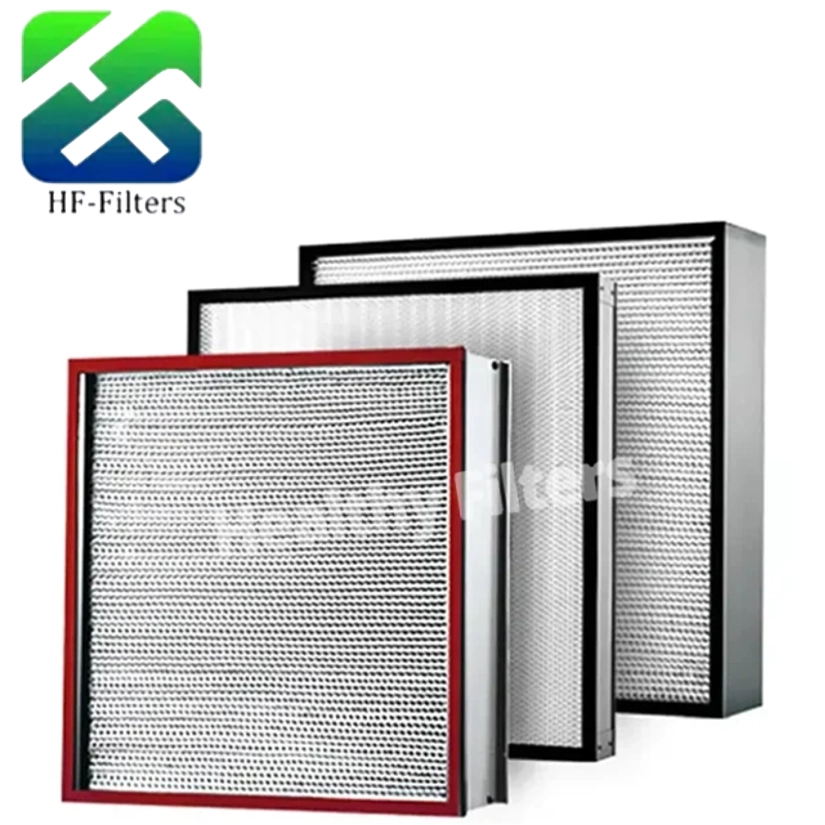
The run length of an air filter seldom comes from a single element. It blends material strength, build structure, and outside conditions. Material blend controls how a filter stands against damage from dust buildup or moisture. Design traits such as fold layout or frame firmness affect how air moves steadily through the layer. At the same time, things like heat changes or dirt density speed up wear. In engine bays with sharp temp swings, these issues often trim life by about 25 percent, drawn from repair logs.
Material Composition and Its Impact on Durability
HEPA filters fold and shape from various materials like PP+PET, PP, Glassfiber, PTFE, PET. Each brings clear benefits: glass fiber delivers strong capture but snaps easily; synthetic fibers like PET allow washing and reuse; PTFE gives leading filtration yet at greater expense. A tighter fiber mesh keeps particles longer before blocking, although it raises air resistance. In controlled testing, denser media structures generally demonstrate higher dust holding capacity compared to lower-density media.
Design Features That Enhance Filter Performance
The fold shape decides how surface space gets used. Deep folds catch more dirt without much pressure rise. Sturdy frames block twisting under air strain, which lengthens work in quick-air units. These elements aid in fan systems, where firm builds cut early faults noticeably.
Environmental Conditions Affecting Filter Wear
Filters placed in damp or grit-filled areas break down quicker from water uptake or particle overload. However, in steady cleanrooms or labs, duration grows because dirt stays even. Typically, filters in cleaner environments have longer service life due to lower particulate loading. In a riverside facility, balanced air let filters run past the usual mark.
The Role of Air Filter Materials in Longevity
Layer choice sets how well particles get held and how long that hold persists before a change.
Characteristics of HEPA Filter Materials
HEPA(High efficiency particulate air Filter) holds its global label with 99.97 percent capture at 0.3 micron particles. This sharp work stems from very fine glass fiber sheets linked with fillers for firmness at heats to 250°C. These layers appear often in drug or chip plants where clean rules demand rigor. In a semiconductor line, they stopped fine dust through extended shifts without drop-off.
Advantages of Using Synthetic Versus Natural Fibers
Synthetic fibers like polyester hold up against snaps better than natural fibers in ongoing air pull. Made of Anti-fractured PET organic synthetic fiber with large dust holding capacity and low pressure drop long service life. Natural fibers bring eco-breakdown but wear out sooner in moist conditions. In humid zones, synthetics outlast naturals by months in air flows, based on field reports.
Impact of Material Thickness on Filter Lifespan
Thicker layers build dust hold but nudge up starting pressure a bit. Take pre-filter layers from 5mm to 20mm thick; they yield rising catch rates of 65 percent to 90 percent, linking right to longer care spans. A 10mm version in a store air handler reached 16 months, beating thinner models.
Design Elements That Affect Air Filter Durability
A filter’s form can matter as much as its makeup for lasting time.
Importance of Pleat Design in Air Filters
A smart fold pattern boosts surface space in tight sizes. Deep fold setups spread air flow smooth over the layer face, which cuts spot blocks that trim life. In factory blowers, this steady spread meant less downtime for clears, a clear win. Uneven pulls can creep in now and then, but strong patterns handle it.
Frame Construction and Its Role in Longevity
Frames from coated steel or aluminum fight rust way better than board types in wet areas. Solid framing keeps seal whole under shifting pressure. This helps in steamy worksites, where metal held for double the time of board. Once, rust wrecked budget frames in mere months.
Sealing Techniques to Prevent Air Bypass
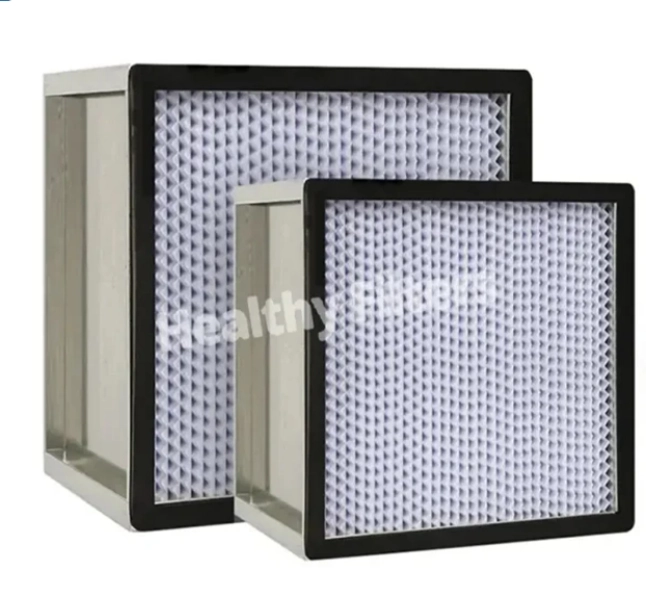
Border gaskets or gel seals stop raw air from air bypass. This core trait sits in top builds like the Deep Pleated Paper Separate H14 HEPA Air Filter. These seals create a firm match in the housing and trim leaks. In narrow ducts, they halted dirt slips, protecting gear ahead.
Comparing Material and Design for Optimal Longevity
Material grade draws basic caps for toughness; design picks how near everyday use reaches those caps.
Evaluating Material Versus Design for Performance
Examples reveal glass fiber HEPA filters keep capture stronger than synthetics but quit sooner from cracks under jolts. Yet, deep-fold synthetics keep form longer, even with minor catch dips. In shaky gear areas, reinforced builds fixed snap issues quick.
Comparative Analysis of Design Innovations in Filters
Current making adds electret tech, which static-loads fibers to grab tiny bits without air block. Healthy Filters’ mix tech pairs nano-fiber sheets with fold methods that raise power while holding low push. This lifted duration in grit-thick spots by near 20 percent, from buyer accounts.
Balancing Material Quality With Design Efficiency
A good mix takes tough synthetic layer backed by exact folds in strong frames, matching spend with ongoing steadiness. These combos suit all-day factory air, tying cost to reliable run.
Integration of Material and Design in Healthy Filters Products
Two fresh types illustrate how careful blending pushes work duration over standard levels.
Features of Deep Pleated Paper Separate H14 HEPA Air Filter
It uses ultra-thin glass fiber as the filter media and hot-melt glue to space each pleat evenly ensuring high dust volume efficiency. The deep pleat design increases usable surface area while maintaining low pressure drop. This fits cleanrooms or pharmaceutical production lines requiring 99.97 percent particle capture at 0.3µm. In a pharma setup, it managed dense loads without pressure spikes.
Benefits of Universal Replacement Media Air Filter
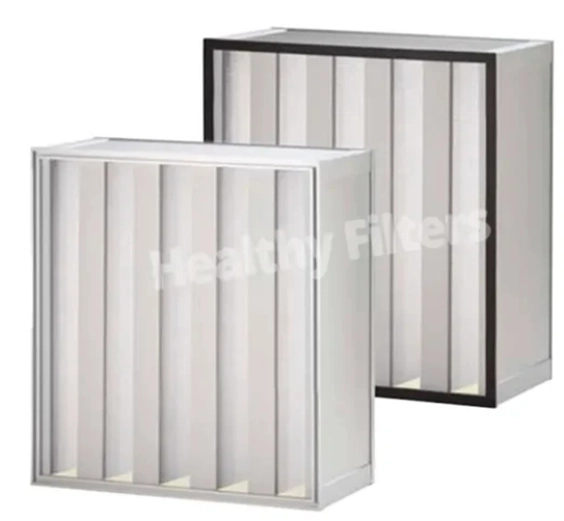
The Universal Replacement Media Air Filter employs a V-bank configuration that expands surface area up to four times compared with flat-panel equivalents. Its innovative V-shaped design enhances filtration area improving efficiency and lifespan. Constructed from polypropylene or fiberglass media within aluminum frames, it delivers long service cycles. These typically span 12 to 18 months by conditions. Install crews like the easy access for changes.
How Healthy Filters Combines Material and Design for Longevity
By merging premium-grade fiberglass paper with deep-pleated geometries sealed by urethane gaskets, these units achieve both mechanical stability and superior sealing performance under continuous operation. This method lowered repair calls in client setups, per shared stories.
Recommendations for Choosing Long-Lasting Air Filters
When choosing filters for hard tasks, factor in outside shifts and care skills over just price.
Selecting the Right Materials for Your Needs
Figure if your system calls for washable synthetics or high-capture glass fiber for pure areas. Confirm producer approvals like ISO9001 or CE as marks of steady quality checks. In food plants, safe selections avoided clean fails from weak grips.
Understanding the Trade-Offs Between Cost and Durability
Better materials appear costly first but cut stop expenses later by lengthening change times. This plays key in factory HVAC that runs steady. One team dropped annual spends by 15 percent with durable choices.
Evaluating Supplier Certifications and Standards
Seek producers with recorded test data like EN779 arrestance ratings or CADR check sites. These confirm true output before buys. In business, these docs often guided solid picks.
Prioritizing Design Features for Enhanced Performance
Design sways care needs nearly like material selection.
Identifying Essential Design Elements for Different Environments
For hospitals or labs needing no-leak room, gel seal HEPA designs top basic gasket sorts; business HVAC profits from modular V-bank parts that ease swap work. In hospital flows, modular units shaved setup time during night checks.
Considering User-Friendly Installation and Maintenance Features
Small pod shapes lessen setup mistakes and permit fast trades in routine care. This counts where halts mean work loss. Groups in cramped areas value the simple fits.
Analyzing Airflow Dynamics in Filter Design
Steady speed spread over folds stops early blocks at inlets. This quiet but vital trait affects full run hours before full load. In blower routes, even spread gained days in trials.
Call to Action: Explore Healthy Filters’ Solutions
When duration tops initial price, selecting careful craft shifts outcomes.
Why Choose Healthy Filters for Your Air Quality Needs?
Their focus on fresh tech and select materials delivers fine air clean that endures. Their range goes from home cleaners to large factory units. All come with alert help from teams that adjust setups to task kinds. With broad reach and ship times around one week from order to dispatch, they offer steady service flow no matter your spot.
FAQ
Q1: What material type generally offers the longest lifespan?
A: Glass fiber HEPA media typically lasts longest due to its thermal stability and fine particle retention but must be handled carefully because it’s brittle.
Q2: How often should industrial HEPA filters be replaced?
A: Most operate efficiently between 12–18 months depending on environment cleanliness levels before reaching final pressure drop thresholds around 400 Pa.
Q3: Does washable synthetic media perform as well as non-washable fiberglass?
A: Washable PET synthetics provide good durability but slightly lower filtration precision compared with ultra-fine fiberglass papers used in cleanroom applications.
Q4: What role does pleat depth play in extending service life?
A: Deeper pleats enlarge effective filtration area allowing higher dust load capacity without raising resistance significantly. This extends usage time before clogging occurs.