
I’ve spent 9 years managing industrial paint booths—automotive coating plants, metal finishing facilities, and custom spray shops—and one mistake I see repeated is overlooking High Temperature Filter in Industrial Filtration setups. Most shops slap in a generic Paint Booth Filter and call it a day, then wonder why filters melt, finishes fail, or equipment breaks down. Here’s the hard truth: standard Paint Booth Filter options can’t handle the heat of industrial paint booths—especially during the curing/drying phase, where temperatures often hit 120°C to 180°C, and some high-end processes reach 260°C or higher <superscript:1>. High Temperature Filter isn’t a luxury; it’s the only way to keep your Industrial Filtration system working, your finishes flawless, and your operation compliant. This isn’t just theory—it’s the lesson I’ve learned from fixing countless costly mistakes.
First, let’s clarify: a High Temperature Filter isn’t just a “heat-resistant” version of a standardPaint Booth Filter. The difference lies in the Filter Media—the core of any filter. StandardPaint Booth Filter uses low-grade fiberglass or paper Filter Media that softens, warps, or melts when exposed to high heat <superscript:5>. High Temperature Filter is engineered with specialized Filter Media—think ultra-fine glass fiber, ceramic, or stainless steel—that can withstand continuous temperatures up to 200°C (and peak temps up to 400°C for premium models)<superscript:4><superscript:7. This Filter Media doesn’t just resist heat; it maintains filtration efficiency, trapping paint overspray, dust, and solvent particles even in extreme conditions—critical forIndustrial Filtration in paint booths.
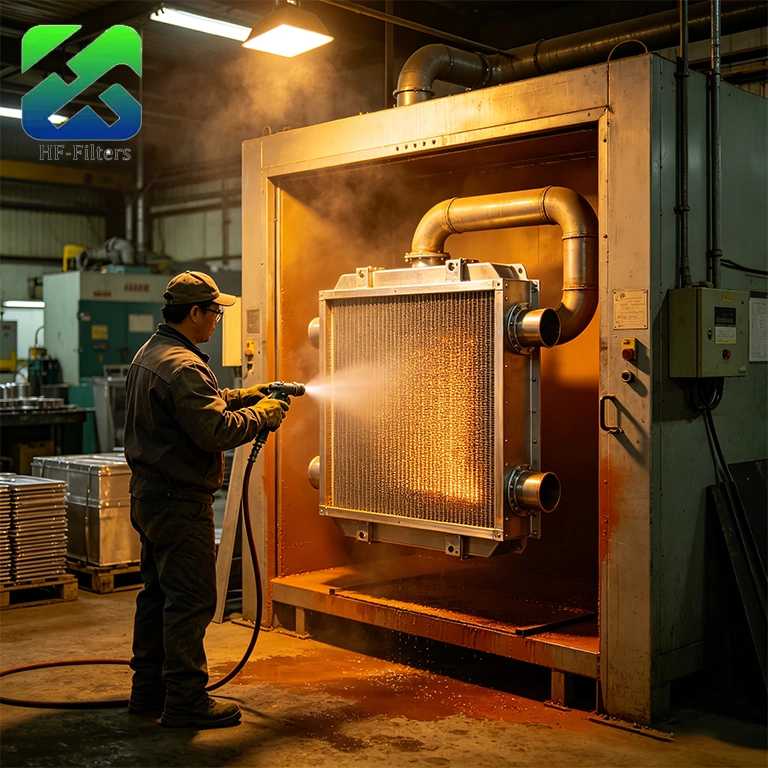
I had a metal finishing client who learned this lesson the hard way last year.They were using regular paint booth filters in their high-heat curing booth, where temperatures regularly reach 160°C.In just two weeks, the filter material started melting. It clogged the entire HVAC ductwork and shut the whole system down completely.
The damage added up fast:$8,000 for duct cleaning, a full week of production lost, and dozens of finished parts ruined by dust and uneven coating.
We replaced those generic filters with high-temperature versions made with ceramic media, designed to run continuously at 200°C.Right away, all the issues stopped.Their industrial filtration system ran steady, their coating quality got way better, and they avoided expensive shutdowns — all because they used the right filter for the heat.
Let’s go over why high-temperature filters are a must for industrial paint booth filtration, and it’s not just about handling heat:
1.It protects your entire filtration setup and machinery.Paint booths depend on HVAC units to keep airflow and temperature stable — that’s what makes paint cure correctly.A standard paint booth filter melts or breaks down in high heat. When that happens, melted filter material and unfiltered paint overspray get into ducts, fans, and heat exchangers.This clogs parts, chokes airflow, and leads to pricey repairs. Fans alone can cost over $2,000 to replace.High-temperature filters use tough materials like stainless steel or ceramic that hold their shape. They keep your system clean and make equipment last longer.
2.It keeps your finishes consistent and high-quality.When a normal filter fails, unfiltered paint mist and dust float around the booth and stick to wet paint. That causes spots, streaks, and rough textures.High-temperature filters keep filtering effectively even in extreme heat, catching more than 90% of overspray and dirt.That means clean air inside the booth, smooth and even coatings every time, and no more expensive reworks or unhappy clients.
- It keeps you compliant with safety and industry standards. Industrial paint booths are regulated by safety standards (like DIN 53438 F1 for fire resistance and GB 14444 for ventilation) <superscript:1><superscript:2. Standard Paint Booth Filtercan catch fire when exposed to high heat or solvent fumes, violating fire codes. High Temperature Filteruses flame-retardant Filter Media (certified to UL 900 Class 2 or GB 8624 B1) that self-extinguishes, keeping your shop compliant and safe <superscript:3>. It also prevents unfiltered particles from being released into the air, avoiding EPA fines for poor Industrial Filtration.
The biggest myth I hear: “A good standard Paint Booth Filter is enough if I keep temps low.” Wrong. Even moderate curing temps (100°C+) will degrade standard Filter Media over time, leading to gradual failure<superscript:5. I had a custom spray shop client who tried to “save money” with standard filters, keeping temps at 110°C. Their filters lasted just 10 days, and their rework rate hit 25%. Switching to High Temperature Filter with glass fiber Filter Media (rated for 150°C) extended filter life to 6 weeks and cut rework to 3%—a massive savings in time and money.
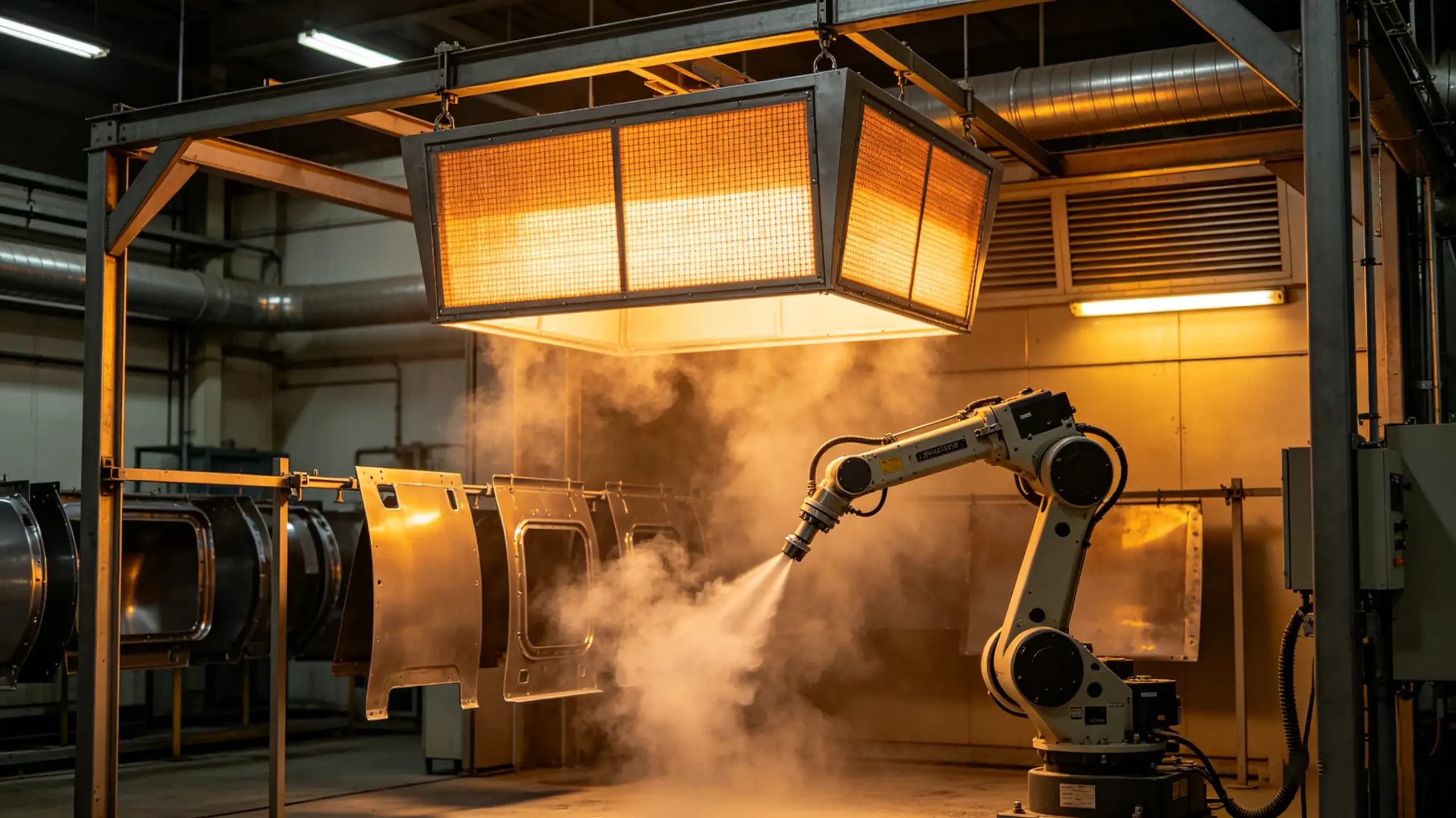
When choosing a High Temperature Filter for your Paint Booth Filter setup, don’t cut corners on Filter Media. The best options use ceramic, stainless steel, or high-grade glass fiber Filter Media—avoid cheap filters with thin, low-heat-resistance media that shed or melt <superscript:4><superscript:5. Look for filters rated for your booth’s maximum temperature (add 20-30°C as a safety margin) and with a high dust-holding capacity to reduce replacements <superscript:1. Also, ensure the filter is pre-treated to cure the Filter Media adhesive—skipping this step leads to cracking and failure <superscript:1.
At the end of the day, High Temperature Filter is the unsung hero of Industrial Filtration for paint booths. It does what standard Paint Booth Filter options can’t—withstand extreme heat, protect your equipment, ensure quality finishes, and keep you compliant. Whether you’re running a small custom shop or a large manufacturing plant, investing inHigh Temperature Filter (and quality Filter Media) is the best way to avoid costly mistakes and keep your operation running smoothly.
Don’t let a cheap Paint Booth Filter ruin your work or your budget. High Temperature Filter isn’t an expense—it’s an investment in your Industrial Filtration system, your products, and your peace of mind.
FAQ
What makes High Temperature Filter different from standard Paint Booth Filter? Standard Paint Booth Filter uses low-grade Filter Media that melts at high temps.High Temperature Filter has specialized Filter Media (ceramic, stainless steel, glass fiber) that withstands 120°C+ continuous heat, critical for Industrial Filtration in curing booths.
Why is Filter Media important for High Temperature Filter? Filter Media is the core—low-quality media melts or degrades, failing to filter overspray and damaging equipment. High-gradeFilter Media maintains efficiency and structural integrity in extreme heat, ensuring reliable Industrial Filtration.
What temperature rating do I need for my Paint Booth Filter? Choose a High Temperature Filter rated for your booth’s maximum temp + 20-30°C. Most industrial paint booths need 150-200°C continuous rating; high-end processes may require 260°C+ <superscript:1.
Can High Temperature Filter improve Industrial Filtration efficiency? Yes—its durable Filter Media traps overspray, dust, and solvent particles even at high temps, reducing rework and keeping your Industrial Filtration system running efficiently.