A lot of people ask me, “when is a hepa filter used?” Honestly, it’s pretty straightforward—you need one when regular filters just aren’t enough to get the air clean.
I’m not gonna overcomplicate this. Just wanted to break down the times when a hepa filter is actually necessary, not just a “nice to have.” And I’ll also mention the different types you might need—like a hepa filter cassette for your HVAC, a standalone hepa air filter, or an air purifier with hepa filter (some people call these a hepa filter air purifier too). Just real talk, no fancy terms.
First, let’s get what a HEPA filter does (super simple)
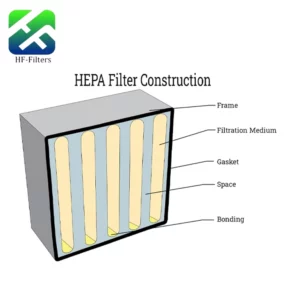
Before I get into when to use it, let’s make sure we’re on the same page. A real hepa filter (short for High-Efficiency Particulate Air filter) catches 99.97% of tiny particles—down to 0.3 microns. To give you an idea, a human hair is about 70 microns wide. So we’re talking about stuff way too small to see.
Regular filters can handle dust bunnies and lint, but those tiny particles slip right through. That’s why a hepa filter is needed when those small bits can cause problems—for your health, your gear, or whatever you’re working on. Most folks I work with go with H13 or H14 HEPA (those are the common ones for industrial/lab use) because they’re tough enough for most jobs.
when is a hepa filter used? Here’s the real deal
These are the situations where I’d tell anyone to skip the regular filter and go with HEPA. No exceptions. I’ll also note which type works best for each, so you don’t end up buying something that doesn’t fit.
- Cleanrooms or controlled workspaces
If you’re working in a cleanroom—like for putting together electronics, mixing medicine, or doing lab work—you can’t skip a hepa filter. Those tiny 0.3-micron particles can scratch microchips, ruin a batch of medicine, or make lab results useless. I’ve had clients who tried regular filters here and ended up wasting thousands on ruined products.
For big cleanrooms with existing HVAC, a hepa filter cassette is the way to go. They fit right into the ductwork, so the whole space gets filtered. Easy to swap out when needed, too. Most of these cassettes are H14 HEPA because cleanrooms need that extra level of clean.
If you just have a small area—like a lab bench or a little work nook—a hepa air filter or hepa filter air purifier is better. They’re portable, no need to mess with your HVAC, and still get the air clean. H13 works fine here for most small setups.
- Hospitals, clinics, or medical labs
Healthcare places need the cleanest air possible. You don’t want bacteria, viruses, or other germs floating around—especially for patients with weak immune systems. That’s where hepa filters come in.
Operating rooms, sterile storage areas, and isolation rooms all use hepa filter cassettes in their HVAC. That way, every bit of air is sterile, so there’s less risk of spreading germs. These are almost always H14 because medical standards are strict.
For exam rooms or waiting areas, an air purifier with hepa filter is a good add-on. You can move them around easily, they don’t need much maintenance, and they add an extra layer of protection where the main HVAC might not be enough. H13 is totally fine for these spots.
- Working with electronics or semiconductors
I’ve seen firsthand how a tiny dust speck can ruin a circuit board or semiconductor. If you’re building or testing these, you need a hepa filter to keep those particles away. Even the smallest speck can make a product fail quality checks.
Most electronics workspaces use hepa filter cassettes in their cleanroom HVAC. They handle lots of air flow and keep the air pure, even during long workdays. H14 is standard here because you can’t risk any particles. For smaller workstations, a hepa filter air purifier works great—targets the area right where you’re working. H13 is perfect for these little setups.
- Food and beverage processing
Food safety is a big deal, and clean air plays a part. Dust, mold spores, and bacteria in the air can contaminate food, making it go bad or even leading to recalls. So hepa filters are a must here. I’ve helped food plants swap to HEPA and cut down on contamination issues a lot.
For production lines—especially dry foods like flour or cereal—a hepa air filter in the ventilation catches those contaminants before they get to the food. H13 is usually enough here. For packaging areas or quality control spots, an air purifier with hepa filter adds extra protection to keep the finished products safe.
- Industrial work with dust or fumes
If you’re doing metalworking, welding, or chemical processing, the air gets filled with tiny dust and fumes. These can be bad to breathe and can damage equipment. Regular filters don’t catch them, so you need a hepa filter as a final layer.
Usually, a hepa filter cassette fits into the ventilation system to catch those fine particles. H13 or H14 works, depending on how fine the dust is. For temporary work zones, a hepa filter air purifier is perfect—you can move it wherever you need it without messing up your setup.
Picking the right HEPA filter (no overthinking needed)
Now that you know when to use a hepa filter, picking the right type is easy. Here’s a quick breakdown so you don’t waste money—this is what I tell all my clients:
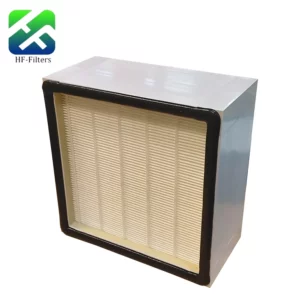
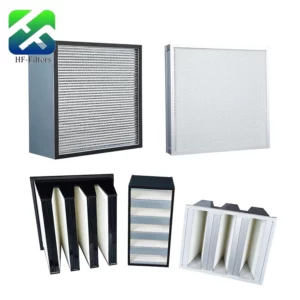
– Hepa filter cassette: For big HVAC systems (cleanrooms, large production areas). Fits into ductwork for whole-space filtration. Go H14 for strict cleanrooms, H13 for most other industrial spots.
– Hepa air filter: Standalone units for fixed spots (lab rooms, small workspaces). No fancy installation required. H13 is almost always enough here.
– Air purifier with hepa filter / hepa filter air purifier: Portable, plug-and-play. Great for moving around to different areas. H13 works for most needs.
Wrapping it up
So back to the original question: when is a hepa filter used? Whenever you need air that’s truly clean—when even the smallest particles can cause problems.
It’s not rocket science. If regular filters aren’t cutting it, go with HEPA. Pick the right type—hepa filter cassette, hepa air filter, or air purifier with hepa filter—and you’re good to go. No guesswork, just clean air.
Quick note: If you’re still not sure which one fits your space—like, how big of a HEPA you need for your cleanroom or shop—just shoot me a message. Tell me your industry, how big the area is, and what you’re working on, and I’ll point you to the right one. No sales pitch, just honest advice.