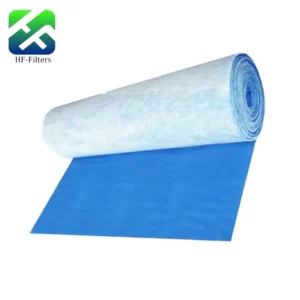
If you’ve ever messed with an air purifier, HVAC system, or even swapped out pleated or pocket filters at home or work, you’ve probably come across the term “pre filter.” But let’s be real—most people just glance past it without knowing what it actually does, or why it’s not something you can skip. Whether you’re hunting for anair purifier pre filter, HVAC pre filter, a squishy pre filter sponge for tight spots, or a blue air pre filter that fits your specific unit, understanding this basic component will save you headaches (and cash) down the line.
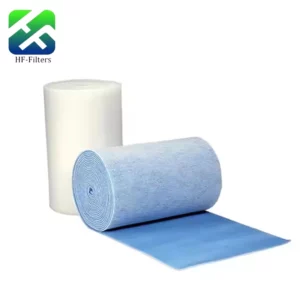
So, What Even Is a Pre Filter?
Let’s cut to the chase: a pre filter is the first stop for air before it hits your system’s main filter. Think of it as the bouncer at a club—keeping the rowdy, big stuff (like dust bunnies, pet hair, lint, and random debris) out, so only clean, particle-free air gets through to your HEPA, pleated, or pocket filter. It’s designed specifically for pre-filtration (or coarse filtration) at the inlet of ventilation and AC systems—basically, it does the heavy lifting so your main filter doesn’t have to.
Here’s the thing: main filters (the expensive ones) are meant to catch tiny particles, not big clumps of dust or pet fur. If those big particles get through, they clog up your main filter fast—meaning you’re replacing it every few weeks, wasting money, and making your system work harder than it needs to. A pre filter stops that from happening, plain and simple. It’s cheap, it’s easy, and it’s one of those “why didn’t I think about this sooner” parts.
What Makes a Pre Filter Actually Good? (Skip the Junk)
Not all pre filters are created equal—some are flimsy, some don’t catch anything, and some fall apart after one wash. Whether you’re buying an HVAC pre filter, air purifier pre filter, or blue air pre filter, these are the non-negotiable features that separate the good ones from the garbage. These aren’t just “specs”—they’re the reason a pre filter will save you time and money:
- Made with Tough Synthetic Fiber (No Cheap Stuff)
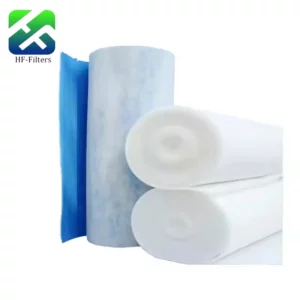
The best pre filters use high-performance synthetic fiber, made with a gradual layering process. This isn’t the thin, flimsy material you find in dollar-store filters—it’s engineered to grab onto big particles without blocking airflow. The gradual fiber design means dust and debris get trapped (instead of slipping through), but air still flows freely through your system. Even flexible options like a pre filter sponge (great for weirdly shaped filter slots) use this tough synthetic fiber—so you don’t have to sacrifice performance for a perfect fit.
- Holds Tons of Dust + Doesn’t Choke Airflow
Two things matter most for a pre filter: how much dust it can hold, and how easy it is for air to pass through. Here’s why both are dealbreakers:
– Large dust holding capacity: You don’t want to clean your pre filter every other day. A good one holds enough dust to last weeks (even in homes with pets or busy commercial spaces), so you can focus on more important things.
– Low initial resistance: If a pre filter blocks airflow, your HVAC or air purifier has to work overtime to push air through. That wastes energy (hello, higher utility bills) and wears out your system faster (hello, costly repairs). A good pre filter lets air flow easily, so your system runs efficiently.
- Washable and Reusable (Save Money, Cut Waste)
This is hands down the best feature of a quality pre filter: you can wash it and use it again. No more buying disposable filters every month—just rinse off the dust and debris, let it air dry, and pop it back in. It works forair purifier pre filters, HVAC pre filters, blue air pre filters—pretty much any pre filter worth buying. It’s not just economical; it’s better for the planet too (less waste in landfills).
- Meets Strict Global Standards (Don’t Risk It)
You don’t want to put a pre filter in your system that’s not safe or doesn’t work as advertised. The best pre filters meet two strict international standards: European DIN53438-F1 and American UL900-Class2. These certifications mean the pre filter has been tested and proven to be safe, reliable, and effective—whether you’re using it in your home or a commercial space. Skip any pre filter that doesn’t list these standards—you’ll regret it.
- Heat Resistant (Tough Enough for Daily Use)
Ventilation and HVAC systems get hot—really hot. A cheap pre filter will melt, warp, or fall apart when exposed to that heat. Quality pre filters can handle continuous temperatures up to 100°C and instantaneous temps up to 120°C. That means they’ll hold up to daily use, even in busy systems that run 24/7. No more replacing pre filters because they melted—this one’s built to last.
Where Do You Actually Use a Pre Filter?
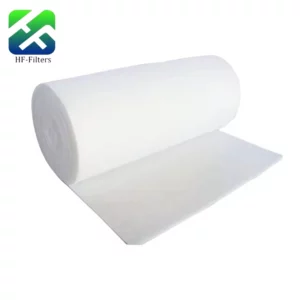
Pre filters aren’t just for one thing—they’re super versatile, and you’ll find them in all kinds of filtration setups. Here are the most common places you’ll need a pre filter:
– Pleated and pocket filters: Almost every pleated or pocket filter uses a pre filter to protect its fine media. Without it, the main filter clogs fast, and you’re stuck replacing it constantly.
– HVAC systems: An HVAC pre filter is a must for any home or commercial heating/cooling system. It keeps dust and debris out of your ducts and main filter, so your system runs smoothly and efficiently.
– Air purifiers: If you own an air purifier, it almost definitely has an air purifier pre filter (like ablue air pre filter for Blueair units). It extends the life of your HEPA or carbon filter, so you don’t have to buy replacements as often.
– General ventilation systems: Offices, factories, restaurants—any space with a ventilation system needs a pre filter. It keeps the system clean, improves airflow, and ensures the air coming out is as clean as possible.