Put Clean Air on the Menu – Keep Guests Happy, Risks Low
These days, more people are dining out—and they’re picky about every little thing, from food temperature to how the air feels. More customers mean more profit, but also more kitchen headaches. If you want to keep guests coming back, clean indoor air needs to be just as important as your signature dish. It cuts fire risk, nixes smelly complaints, and makes people want to return.
The Air Headaches Restaurants Deal With
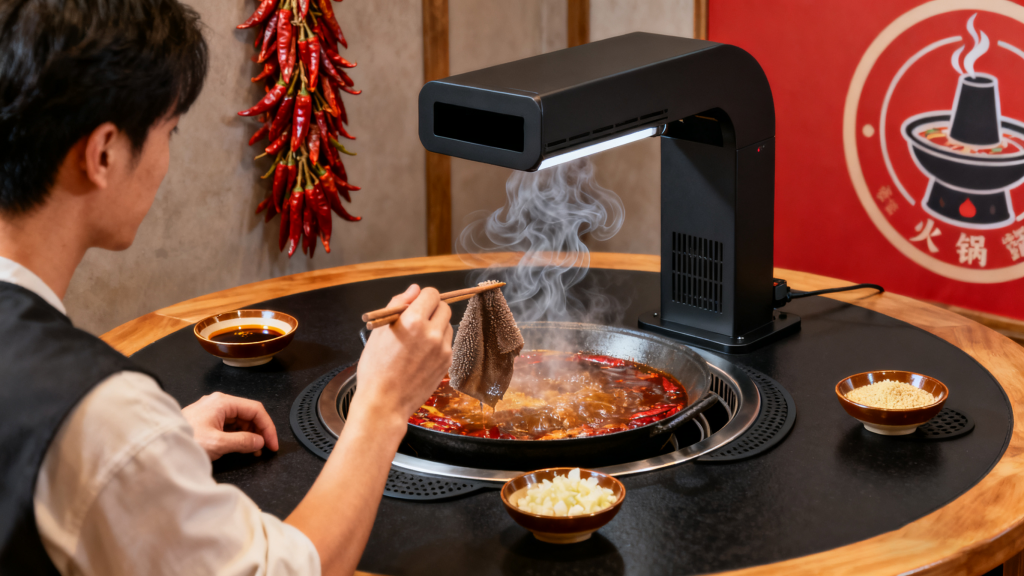
Here’s the thing: a busy kitchen and the dining area need totally different air setups. The kitchen’s all about getting rid of heat, smoke, and that thick oil mist from frying. So you’ve got those big ventilation systems working overtime to suck that gunk out.
But here’s the problem—when you just dump that dirty air outside (or let it drift through the building), you’re asking for trouble:
Fire risk: Oil and grease build up in ducts over time—one spark, and it can catch fire fast.
Gross duct hygiene: Grease stuck in vents gets moldy or attracts grime—total health hazard.
Pests: That leftover food smell in dirty air? It draws roaches or rodents like a magnet.
Smelly complaints: If kitchen smoke or fryer odors leak into the dining area? Guests will walk out (and leave bad reviews).
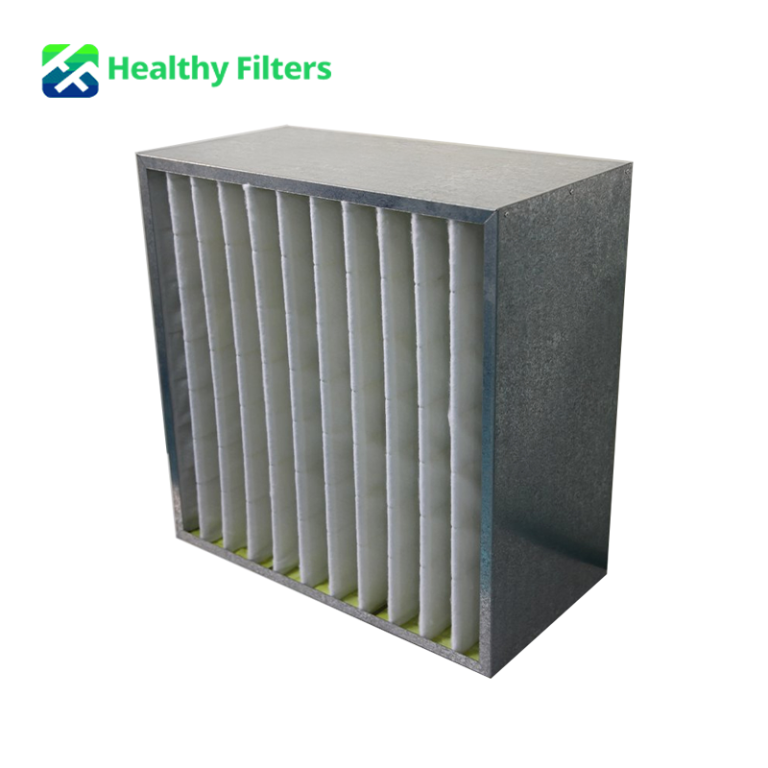
This Medium Efficiency Box Air Filter is engineered to deliver reliable air purification for commercial...
No posts found
PROVIDE ONE-STOP SOLUTIONS FOR DIFFERENT INDUSTRIES
Home Environment
Agricultural Environment
Laboratory
Food Processing Plant
Good Ventilation = Happy Guests + Safe Business
Commercial kitchens need strong ventilation to get rid of heat, smoke, and steam—but it’s not enough to just “suck air out.” You need to treat that exhaust and the fresh air coming in, or you’ll still have problems.
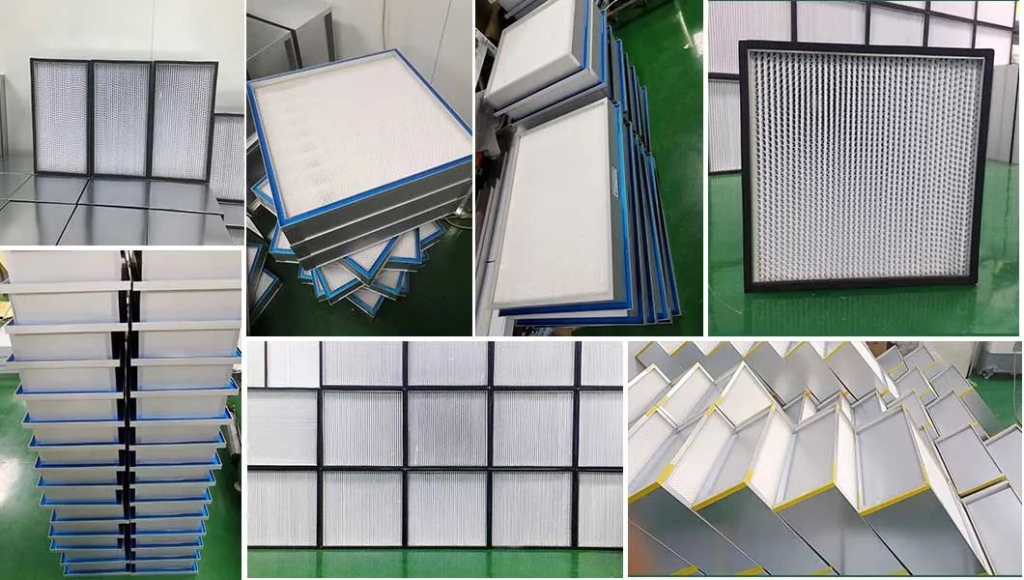
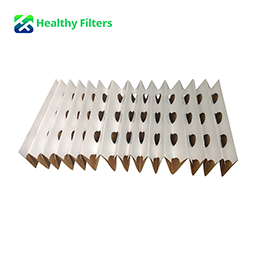
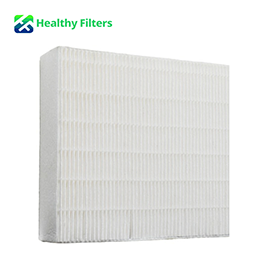
The fix? A combo of air filters that do three key things:
Grab oil and grease (so it doesn’t build up in ducts).
Catch tiny particles (the stuff that makes air feel “gross”).
Get rid of the gases that cause that lingering fry or smoke smell.
Kitchens put out a ton of oil, grease, and odors—so these filters work hard. But once you install them, you’ve got to stick to maintenance checks. Skip that, and they’ll stop working fast.
Protect Your Food, Furnishings, and People
Here’s another thing most restaurants forget: every bit of air you suck out of the kitchen or dining room needs to be replaced with fresh air. But if that new outdoor air isn’t filtered right? It brings its own problems:
Food hygiene risks: Pollen, dust, or pollutants from outside can land on food prep areas.
Damaged furniture: Dust or moisture in unfiltered air ruins tablecloths, wood finishes, or upholstery.
Sick staff and guests: Tiny particles (called PM1) in bad air can make people cough, sneeze, or feel crummy long-term.
To keep people safe, you need ePM1 filters that meet ISO 16890 standards—they trap those tiny PM1 particles, so everyone breathes easier.
At the end of the day, clean air isn’t just a “nice touch” for restaurants. It’s how you keep guests happy, avoid costly disasters (like fires or pest infestations), and make sure your business stays open for years. Don’t let bad air ruin your best dish—invest in the right filters.