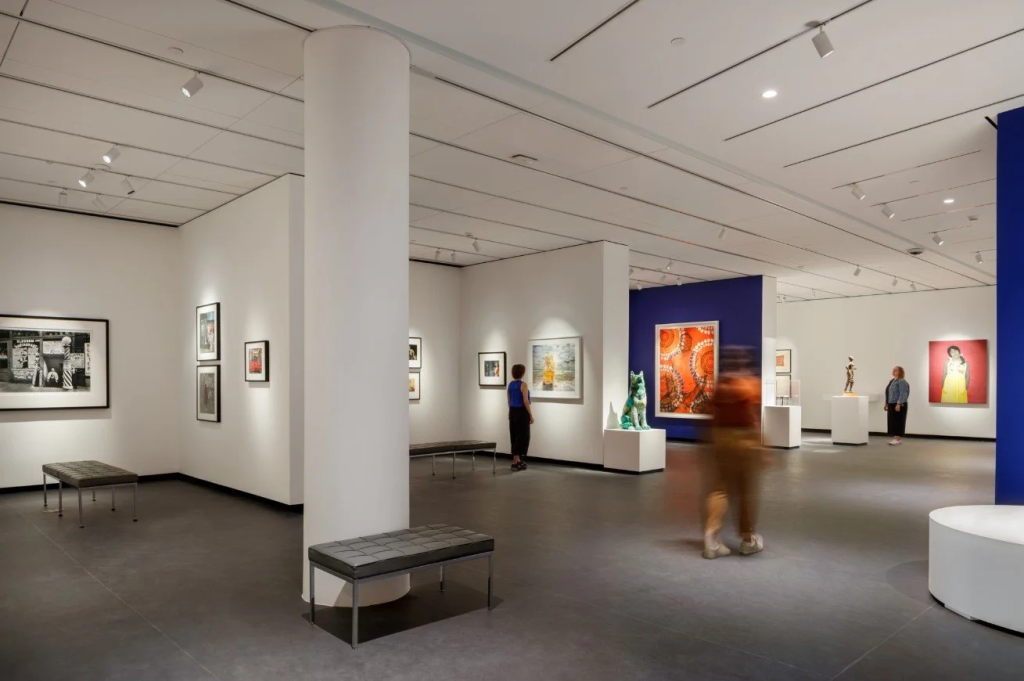
Museums, libraries, archives—these places exist to hold onto history. But to keep those priceless artifacts safe for future generations, you need one simple thing: clean air. Our high-efficiency particle filters don’t just make the air better for staff and visitors—they help protect sensitive pieces, so they stick around for years to come.
Think about it: without these cultural spots, a lot of historical items would get lost or ruined out in the open. But even inside, those artifacts are at risk. Dust, gases, chemicals, even the wrong light or humidity—all of these can break down pieces little by little, and once that damage is done, you can’t fix it.
Why Good Air Quality Isn’t Just Nice—It’s Necessary
It’s not just the artifacts, either. Staff and visitors spend hours in these spaces. Bad air can make people cough, sneeze, or get irritated eyes. That’s why a solid HVAC system with a good air filter is non-negotiable. It gets rid of tiny particles that hurt both people and your priceless collections.
Where the Pollution Comes From (You Might Be Surprised)
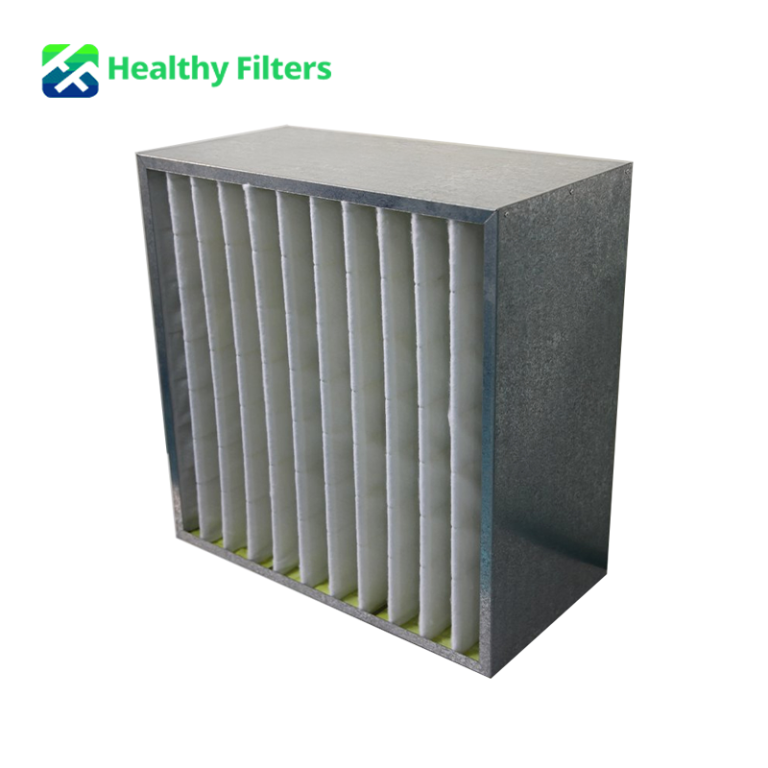
This Medium Efficiency Box Air Filter is engineered to deliver reliable air purification for commercial...
No posts found
PROVIDE ONE-STOP SOLUTIONS FOR DIFFERENT INDUSTRIES
Home Environment
Agricultural Environment
Laboratory
Food Processing Plant
Contaminants in museums, galleries, and libraries come from all over—inside and out. Here’s what to watch for:
Outside air brings in nitrogen dioxide, sulfur dioxide, and ozone—mostly from car exhaust and other things that burn fuel.
The artifacts themselves can release formic and acetic acid. Paper, wood, old films, furniture—any stuff made from cellulose lets off these acids over time.
Cleaning products, paint, sealers, varnish—all the things you use to keep the space tidy can add chemicals to the air.
People shed tiny particles just by moving around—more people mean more bits floating around.
Old ventilation systems can kick up dust that has metals in it, sending that into the air.
Flash photography? It gives off high ozone, which is bad for delicate pieces.
Moving or cleaning artifacts can stir up dust and dirt—even careful handling can kick up particles.
How to Protect Your Treasures (and People)
You don’t need a huge budget to keep the air right. If you team up with conservation experts and ventilation pros, you can pick the perfect filters to control the environment.
That’s where Healthy Filters comes in. We’re experts in molecular filtration, and we’ve helped protect some of the world’s most famous collections. Think the Uffizi in Florence, the British Library in London, the Moderna Museet in Stockholm—we designed and supplied activated carbon filtration systems for all of them.
We don’t just sell filters, either. Our air monitoring services figure out exactly what pollutants are in your building. We’ll look at what kind of artifacts you have, then help you set up the right solutions to keep them safe.
At the end of the day, keeping air clean in cultural institutions is about more than comfort. It’s about making sure the history you’re holding onto stays intact—for the next person to see, learn from, and love.