Lots of folks I talk to ask, “how do medium pocket filters work?” And honestly, it’s way simpler than some people make it out to be. I’m not gonna hit you with technical jargon or overcomplicate things—just wanna walk through how these things actually do their job, why they’re so handy, and the different kinds you might run into (likepocket filters in general, pocket air filters, paint pocket filters, or synthetic pocket filter options).
Medium pocket filters are everywhere in industrial and commercial setups—HVAC systems, ventilation units, spray booths. But most people just pop ’em in and never really think about what’s happening inside. Figured I’d break it down like I would for a colleague—no fluff, just the stuff you actually need to know.
First, let’s get on the same page: what even are medium pocket filters?
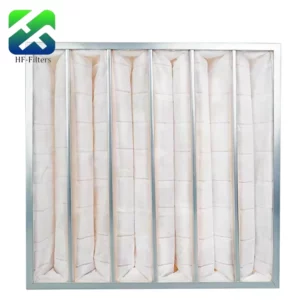
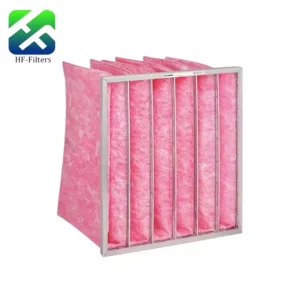
Before we dive into how they work, let’s make sure we’re talking about the same thing. A medium pocket filter is just an air filter with a pocket design—think of it like a bunch of fabric bags (the pockets) attached to a frame. Those pockets hang down, and air flows through ’em to catch particles.
They’re called “medium” ’cause they’re meant for moderate particle loads. They’re not the first filter (that’s pre-filters, catching the big stuff) and not the last (that’s HEPA, for the tiny stuff). But they’re the workhorse in between. Most pocket filters—including pocket air filters—follow this same basic design. The differences come in for specific uses, like paint pocket filters for spray booths or synthetic pocket filter options that hold up better in harsh spots.
how do medium pocket filters work? Let’s break it down
At their core, medium pocket filters work by using those pockets to get more surface area. More surface area means more space to catch particles without blocking airflow. Here’s how it goes, step by step—no fancy terms:
1. Air flows into the filter, then into the pockets
When your HVAC or ventilation system runs, it pulls air through the filter. Instead of just passing through a flat sheet (like those basic filters you swap out often), the air goes into each of the hanging pockets. The pockets are open at the top (where the air comes in) and closed at the bottom, so the air has to go through the fabric of the pocket to get through.
That design is everything. Spreading the air across all those pockets means the filter doesn’t clog up as fast. Even synthetic pocket filter options work this way—the synthetic material just makes the pockets tougher, so they hold up to moisture or chemicals better.
2. Particles get stuck in the pocket fabric
As the air moves through the fabric of the pockets, particles—dust, lint, debris, even paint overspray if you’re using paint pocket filters—get caught in the fibers. The medium-grade fabric is made to catch particles that are too small for pre-filters but not small enough to need a HEPA filter—usually down to 1-5 microns.
The thing about the pockets is they don’t just catch particles—they hold ’em. The depth of each pocket means particles can build up without blocking airflow right away. That’s why pocket air filters last longer than flat ones—they’ve got more room to hold dust before you need to replace ’em.
3. Clean air comes out, and the filter keeps going until it’s full
Once the air passes through the pocket fabric and the particles are trapped, the clean air exits the filter and keeps moving through your ventilation system. The filter just keeps doing its thing until the pockets are full of particles. You’ll notice when that happens—airflow drops, or your system has to work harder. That’s when it’s time to swap it out.
For specific uses, like paint pocket filters, the fabric is set up to catch paint overspray (a big issue in spray booths) without clogging too fast. Synthetic pocket filter options are perfect here ’cause they’re resistant to paint solvents and easier to get rid of than other materials.
Why the pocket design is better than flat filters
I get asked all the time: “Why not just use a flat filter?” Simple answer—surface area. A flat filter only has so much space to catch particles, so it clogs up fast. Medium pocket filters, with all those pockets, have way more surface area—sometimes 5-10x more than a flat filter of the same size.
What that means for you:
Longer filter life (fewer replacements = less money spent, less downtime)
Consistent airflow (your system doesn’t have to work overtime to push air through)
Better particle capture (more surface area = more particles trapped before they get into your system)
That’s why pocket filters are so common in commercial and industrial setups—they’re reliable, don’t need a ton of maintenance, and get the job done without constant hassle.
Different types of pocket filters (and when to use each)
Not all pocket filters are the same—they’re made for different jobs. Here’s a quick run-through so you pick the right one:
1. Standard pocket air filters
Your basic pocket air filters—good for general ventilation in offices, warehouses, or manufacturing plants. They handle everyday dust and debris, and they’re affordable for regular use.
2. Synthetic pocket filter
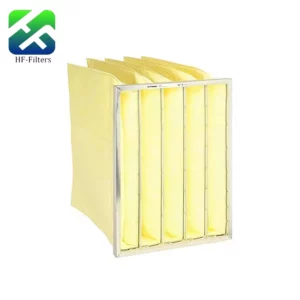
A synthetic pocket filter uses synthetic fibers instead of natural ones, so it’s tougher. Resistant to moisture, chemicals, and wear—perfect for harsh environments like industrial plants or areas with high humidity. They also hold up better when airflow changes a lot.
3. Paint pocket filters
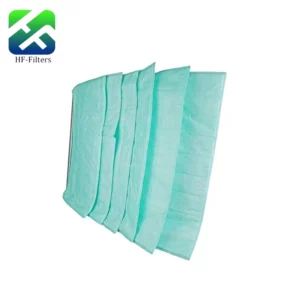
Paint pocket filters are made specifically for spray booths or painting operations. They’re designed to catch paint overspray (both liquid and solid particles) without clogging up quickly. The fabric is usually treated to repel paint, so they work better for this specific job.
Wrapping it up
So back to the original question: how do medium pocket filters work? It’s really straightforward—air goes into the pockets, particles get stuck in the fabric, clean air comes out. The pocket design just makes this whole process more efficient—more surface area means better filtration and longer life.
Whether you’re using standard pocket filters, pocket air filters, a synthetic pocket filter, or paint pocket filters, the basic way they work is the same. They’re the unsung heroes of ventilation systems—reliable, low-maintenance, and essential for keeping air clean and systems running smoothly.
It’s not rocket science. Just remember: more pockets = more surface area = better filtration and longer life. Pick the right type for your setup, and you won’t have to worry about constant filter replacements or your system struggling to push air through.