Hospital Air Filtration: Clean Air Isn’t Optional—It’s Healing
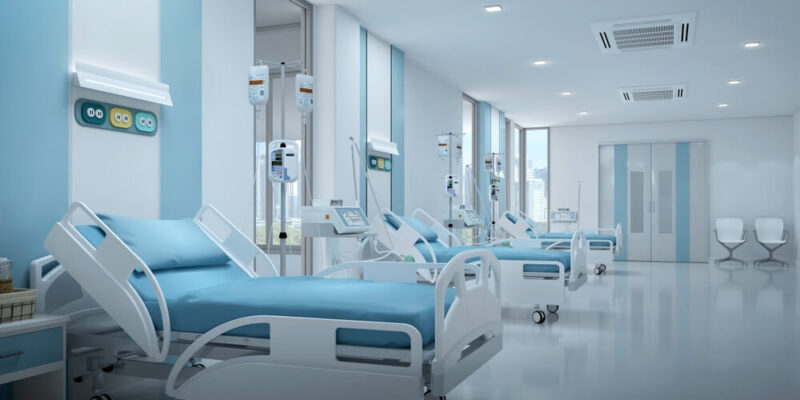
Hospitals and clinics are supposed to fix people, not make them sicker with crummy air. For patients in ICU, oncology, or anyone fragile, clean air isn’t some “nice add-on”—it’s do-or-die. Let’s keep this super simple: why good filtration matters, what’s messing up your hospital’s air, and how to fix it right.
Healthcare Can’t Skimp on Filtration—Period
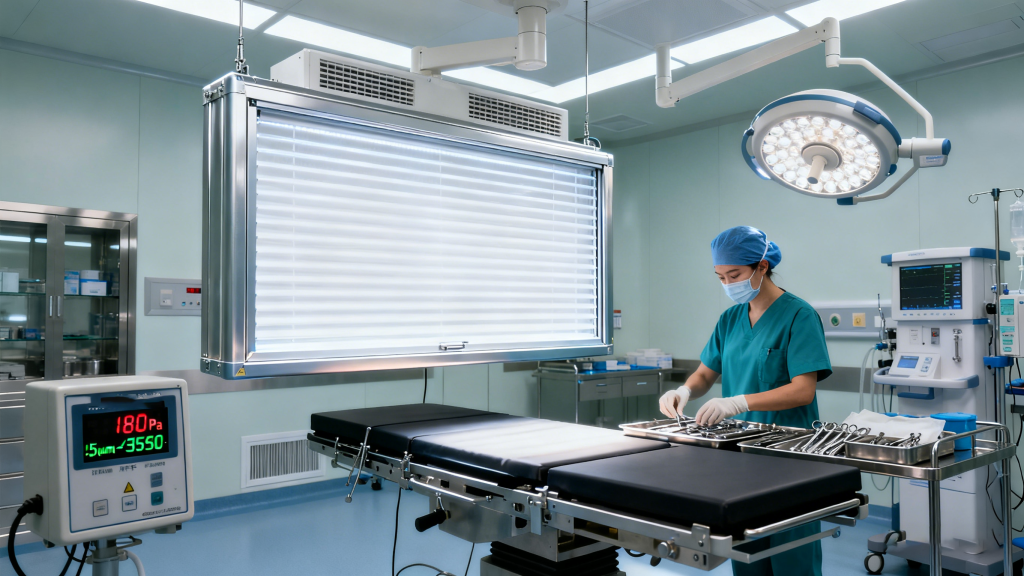
Think about any place that cares for people: hospitals, nursing homes, even dental offices. Bad air doesn’t just smell off—it slows down recovery, ramps up patient stress, and gums up expensive medical gear (dust ruins sensitive machines fast). And let’s be real—modern facilities need systems that work in sterile ORs, stop infections from spreading, and don’t make energy bills skyrocket.
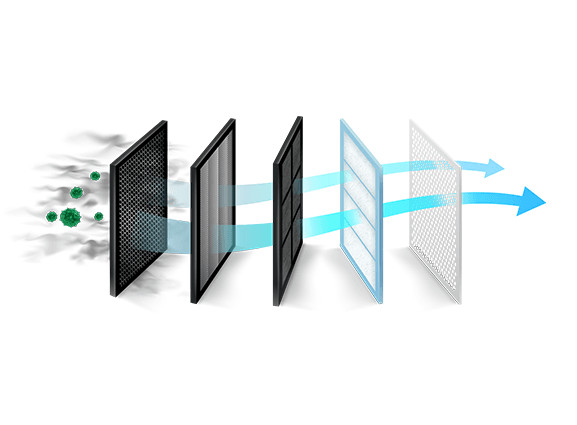
The only way to nail all that? A filter that grabs even the tiniest bits of gunk. When lives are on the line, “good enough” or cheap filters are a huge mistake.
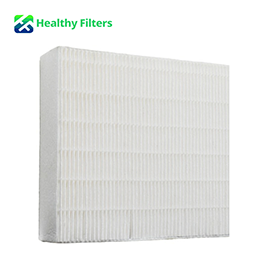
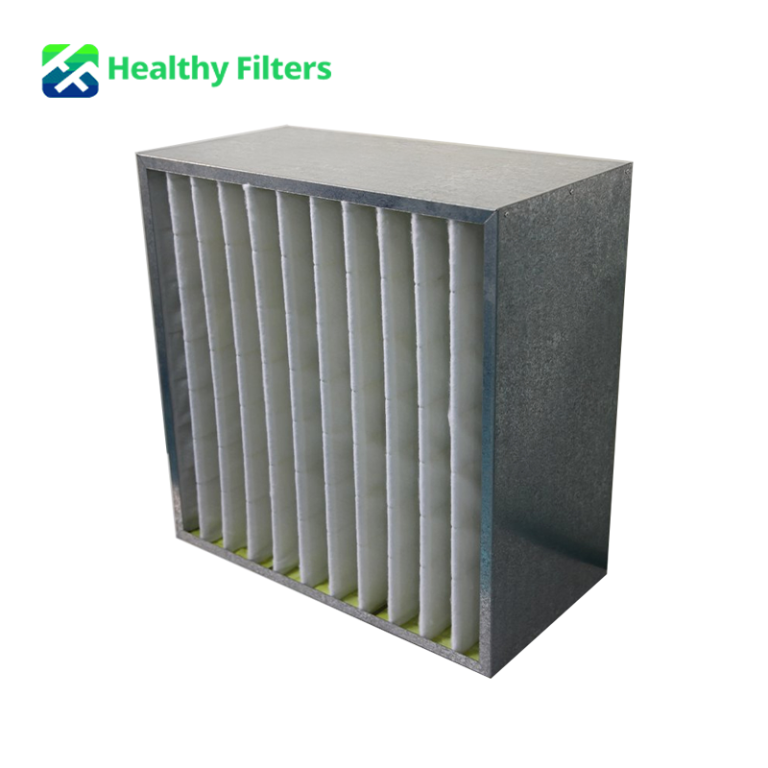
This Medium Efficiency Box Air Filter is engineered to deliver reliable air purification for commercial...
No posts found
PROVIDE ONE-STOP SOLUTIONS FOR DIFFERENT INDUSTRIES
Home Environment
Agricultural Environment
Laboratory
Food Processing Plant
What’s Actually Ruining Hospital Air?
No guesswork here—these are the everyday culprits we see all the time:
Patients: Coughs, sneezes, or open wounds let loose bacteria and viruses. They stick to sheets, cups, or tools, then float into the air when someone moves them around.
Old vents/ducts: Most big-city hospitals were built decades ago. Their outdated ductwork doesn’t filter worth a darn—dust, pollen, and germs circulate like crazy. Even worse, moisture in those old ducts grows mold, which cranks up infection risks.
Outside air: Hospitals suck in tons of outdoor air. Car exhaust, factory fumes, even pollen sneaks in through the HVAC system and messes up indoor air quality.
Healthy Filters : We Make Filtration That Works for Hospitals
We’ve been building air filters for healthcare spots for over 50 years—we know the ins and outs of what hospitals actually need. Our systems are made for the tough stuff: sterile operating rooms, infectious disease units, busy ERs—you name it.
Every filter we make gets put through the wringer. We test ’em hard to make sure they trap tiny particles, cut down on infections, and keep energy costs in check. When your facility needs air filtration that puts healing first (and doesn’t come with fancy jargon), Healthy Filters delivers—plain and simple.