The move from standard manufacturing to automated setups marks a key change in the air filtration sector. High-efficiency particulate air (HEPA) filters demand full accuracy to satisfy worldwide safety rules. Such quality relies on a strong mix of modern equipment and sector knowledge. Partnering with Healthy Filters, a top maker focused on fresh air filtration solutions, proves wise. Their focus on high standards shows in their corporate culture and a solid distributor network that aids customers globally.
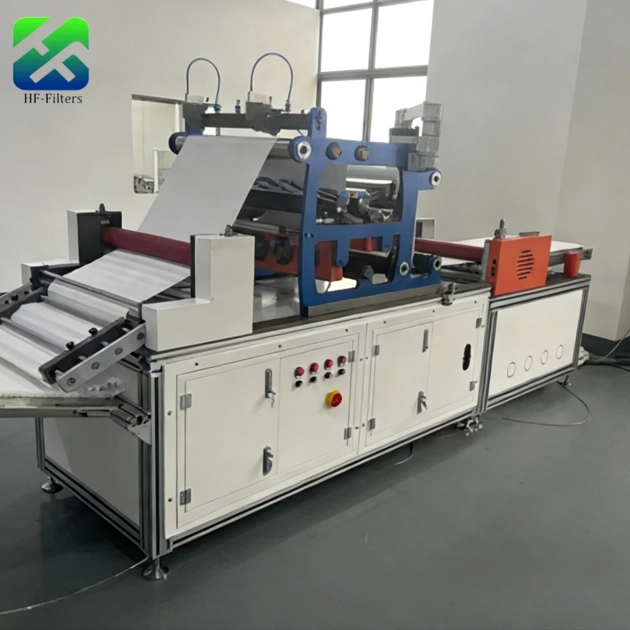
Evolution of High-Efficiency Air Filter Manufacturing
The field of industrial filtration heads toward tougher standards as cleanroom needs and eco-rules grow stricter. Facilities must adjust to manage finer materials and more detailed filter shapes to stay ahead.
Rising Demand for HEPA and ULPA Standards
World markets call for more H13 to U17 grade filters in places like hospitals, labs, and chip factories. These levels allow no mistakes in fiber packing or fold patterns, and every unit must show it hits the exact efficiency marks.
Transition from Manual Labor to Full Automation
Hand work brings changes that harm the strength of top media. Automation cuts out human differences, so facilities can run faster without losing accuracy, and current setups link various steps to keep material safe as it moves between phases.
Impact of Automation on Product Consistency
Automated making guarantees that the first filter matches the last one each day. This sameness helps pass group tests and earns faith from top buyers, while even pull control and machine exactness stop the small rips common in hand folding.
Mastering the Core with the Automatic Knife Mini Pleating Machine
The main part of any HEPA filter lies in the pleat pack, which sets the balance between surface space and air flow resistance. Using a solid Automatic Air Filter Making Machine lets handlers work glass fiber and other soft media with great care.
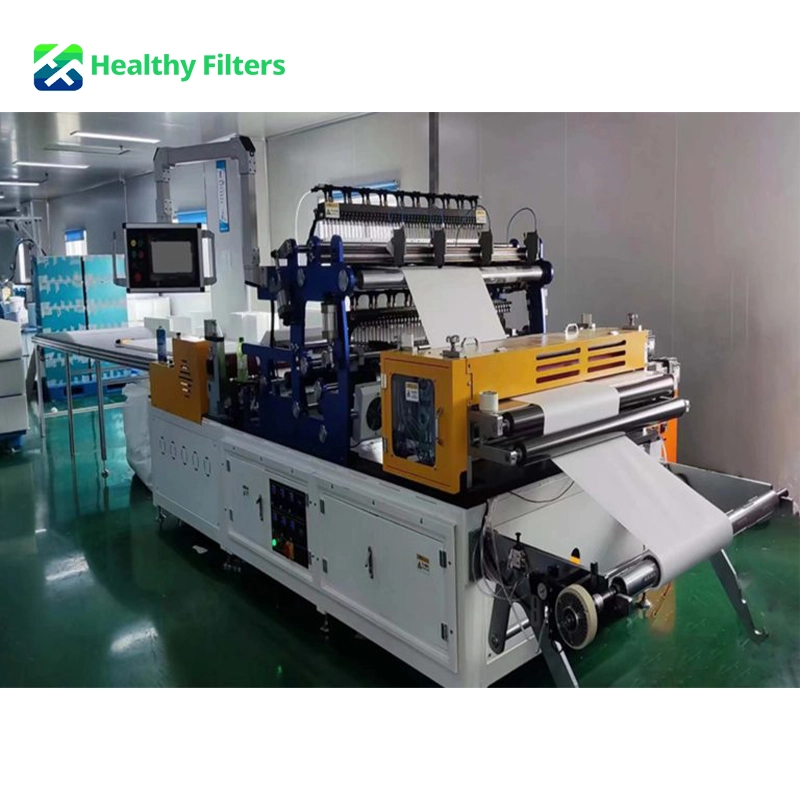
Precision Pleating and Hotmelt Dispensing Integration
New machines join the fold action of media with the direct use of hotmelt glue lines. This link holds the right gap between folds for best air spread over the whole filter face, and the match of knife action with glue heads avoids shifts that might cause air pressure problems.
Glass Fiber Media Protection during High-Speed Processing
Glass fiber breaks easily if the bend curve gets too tight. Equipment needs special rollers and pull devices that lead the media softly through the fold area, which keeps filtration power whole even at top speeds.
6th Generation Technology for HEPA/ULPA Filter Packs
The newest 6th generation tools give better hold on fold height and glue line width. Systems built for the tight needs of ULPA making offer gains, and this tech cuts machine shakes that often warp folds in old gear.
Ensuring Airtight Integrity with Full-Auto Material Gluing
After the core forms, the task turns to frame joining where leak risks peak. Adding a Full-Auto Air Filter Elements Material Gluing Machine to the process gives a clear fix for edge closing and frame sticking.
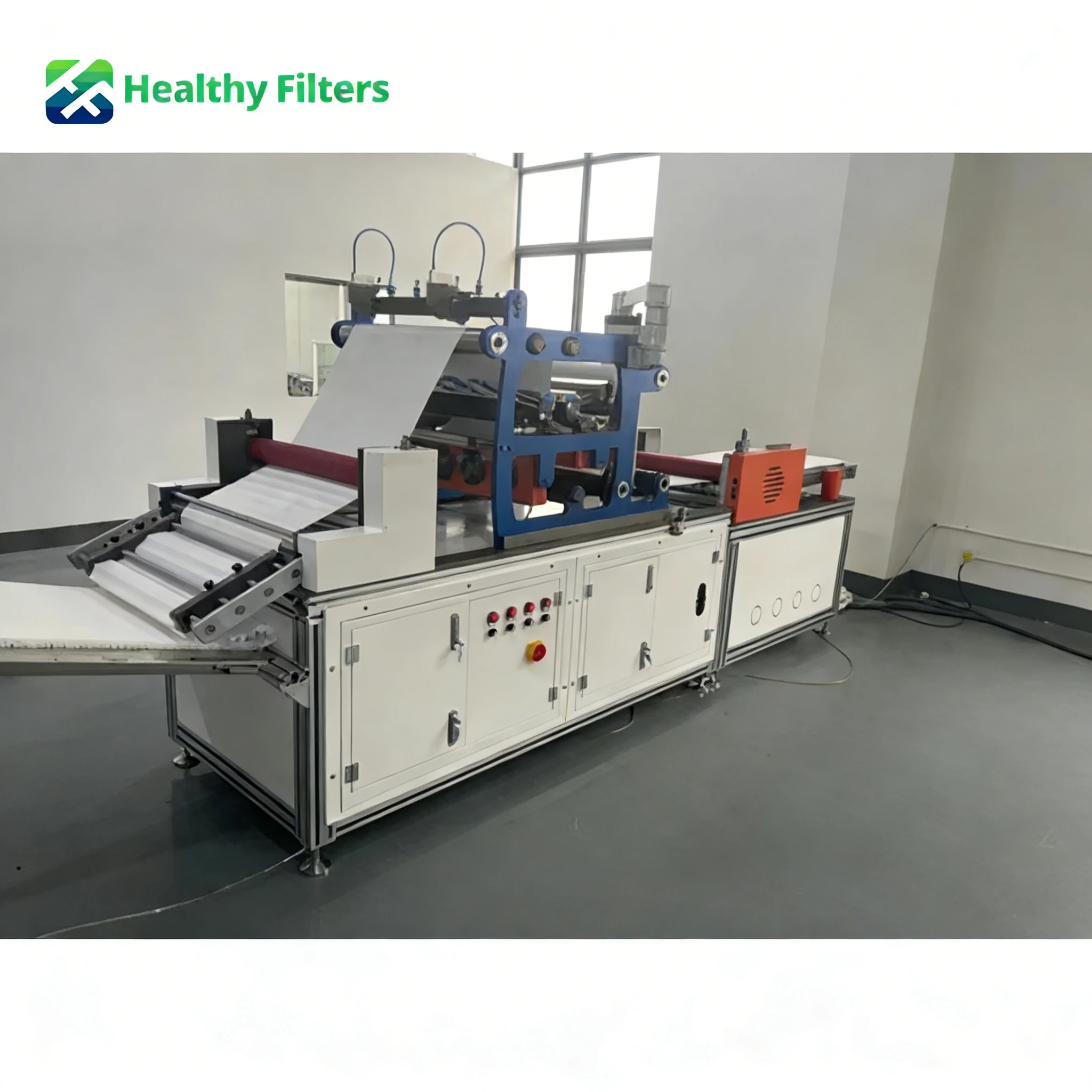
Elimination of Bypass Leaks via CNC Precision
A CNC-run glue head puts adhesive with care that hand workers cannot match. This makes the join between pack and frame fully sealed against air slips, and cutting those leaks boosts pass rates in end DOP or flame checks.
Reduction of Adhesive Waste and Operational Costs
Hand sticking leads to too much glue, which raises supply costs and leaves a dirty look. Auto setups set the right glue amount for each filter size, so yearly glue spending drops while the work space stays neat.
Optimized Bonding for Heavy-Duty Filter Elements
Tough industrial filters need firm joins to handle high push or shakes. The auto sticking method drives glue deep into frame edges, which yields a strong item that holds its shape over full use time.
Technical Advantages of a Unified Healthy Filters Production Line
A single line with matched machines eases daily running. When fold and stick tools follow the same tech plan, upkeep and staff training needs fall a lot.
Seamless Integration Between Pleating and Gluing Phases
Linking the mini-pleat output right to the stick spot builds a steady stream. This cuts storage between steps and lowers damage risk to open pleat packs in moves, so space use improves along with plant output.
Centralized Control Systems for Reduced Downtime
Current lines use linked control screens to watch all parts from one spot. Such views speed problem fixes and plan upkeep ahead, and users spot jam risks before full line halts.
Scalability for Diverse Industrial Air Filtration Needs
Matched setups allow add-on parts as product lines grow. For basic HVAC units or special cleanroom types, gear fits varied frame scales and media kinds, which guards spending as needs change.
Economic Benefits of Upgrading to Automated Systems
The choice to automate stands as a smart money step for lasting gains. Though start costs top hand tools, lower running loads and higher yields lead to strong market place.
Significant Reduction in Labor Costs and Human Error
Auto lines need less staff, which trims pay and hire bills each month. Plus, no human slips mean smaller spends on bad material swaps, and workers shift to check roles or sales growth.
Enhanced Factory Throughput and Faster Lead Times
Automation lets plants work longer with more yield per area. Big orders fill in less time than hand shops take, which aids bids on large trade deals.
Long-Term ROI Through Durable Machine Construction
Quality gear keeps lines running years with few part swaps. Strong builds avoid common breaks in weak tools, so gains come from steady work and good sell-back worth.
Partner with Healthy Filters for Your Global Filtration Success
Choosing the right equipment provider is just as important as the technology itself. A partner that offers end-to-end support ensures that your transition to automation is smooth and technically sound.
Leading Air Filter Making Machine Manufacturer Excellence
The maker earns praise for gear that hits top world standards. Access comes to a history of build skill aimed at filtration issues, and this focus means tools fix true plant challenges.
Comprehensive Technical Support and Distributor Networks
World aid nets put expert help near any site. Full operator training ensures max machine use, and quick part gets cut upkeep stops.
Custom Solutions for Specialized Filter Production Requirements
Each plant faces set limits and product aims. Team work tailors gear setups for odd filter sizes or media mixes, which fits the line to business plans.
FAQ
Q1: Can these machines handle synthetic media as well as glass fiber?
A: Yes, the knife pleating and gluing systems are designed to be compatible with a wide range of materials, including glass fiber, synthetic fibers, and composite media.
Q2: What is the average pleating speed for the 6th generation machines?
A: The speed varies based on pleat depth and material type, but these automated systems are engineered to significantly exceed the output of traditional rotary or manual pleaters while maintaining precision.
Q3: How difficult is it to switch between different filter sizes on the gluing machine?
A: The CNC-controlled systems allow for rapid changeovers through pre-programmed settings, enabling you to switch between different frame dimensions in a matter of minutes.
Q4: Do the machines include air leakage testing capabilities?
A: While the core machines focus on production, they are designed to integrate seamlessly with standard DOP or flame test equipment to ensure final product compliance.
Q5: What kind of power supply is required for a full automated line?
A: Standard industrial power configurations are typically required, but specific electrical requirements can be customized based on your local factory standards during the ordering process.