
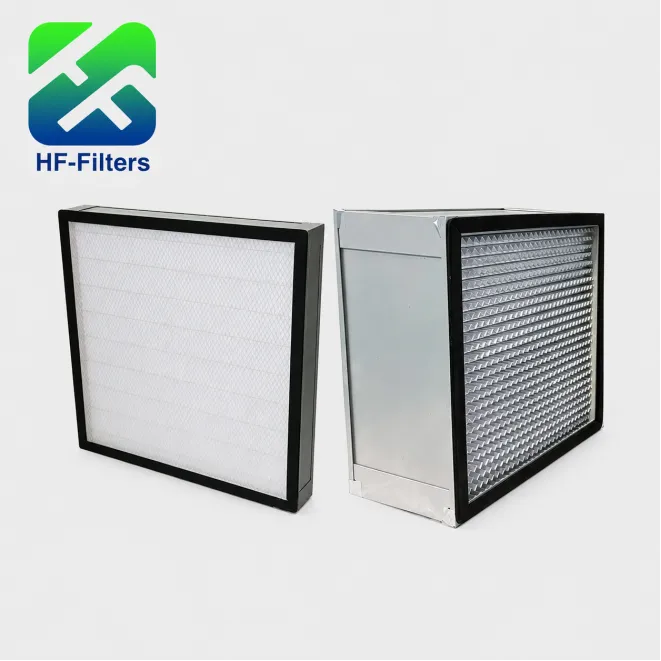
Many people blame the fan when they see HVAC high energy consumption. Fair enough, the fan is noisy and easy to suspect. But the quieter problem may be the filter.
When the filter loads with dust or uses the wrong media, HVAC airflow restriction starts, and the system works harder than it should.
Why Can a Filter Raise HVAC Energy Use?
A filter is not only an air cleaning part. It also sits directly in the airflow path. If air cannot pass smoothly, Fan power increases, rooms cool down slower, and higher electricity bills may follow.
HVAC Filter Pressure Drop
HVAC filter pressure drop means the pressure difference before and after air passes through the filter. Higher pressure drop usually means more air filter resistance. In real buildings, this can show up as weak air supply, longer cooling cycles, and more frequent service calls.
Dirty Air Filter Energy Use
Dirty air filter energy use becomes a problem when dust fills the open space inside the media. Filter media clogging does not always look dramatic. Sometimes the filter just turns gray and stiff, but airflow has already dropped. Small thing, big bill.
Why Does Low Pressure Drop Matter?
You do not need the most restrictive filter for every HVAC system. The better choice is often a low pressure drop air filter that can hold dust without choking airflow too early.
Low Initial Resistance
Low initial resistance helps the system breathe from day one. Some pre-filter media use gradient density structure, with initial resistance around 15 to 25 Pa and dust holding capacity from about 400 to 630 g/m². That balance supports HVAC energy efficiency during normal use.
Large Dust Holding Capacity
Large dust holding capacity slows down clogging. This matters because a high pressure drop filter can raise energy cost long before the filter looks “finished.” For buyers, filter media selection should compare efficiency, rated airflow, pressure drop, and service life together.
What Should You Check Before Buying Filters?
Filter choice should match the system, not just the lowest price on a purchase sheet. Depending on filter design and efficiency rating, initial pressure drop may range from 30 Pa to over 150 Pa under rated airflow conditions. That is why an energy-efficient HVAC filter is not only about capture rate.
You can review suitable air filtration products by checking airflow needs, pressure data, and replacement schedule. If there is restricted airflow in HVAC system operation, check the filter before blaming the motor.
Cheap Filters May Cost More
A cheap HVAC filter may save money at checkout, but the total lifecycle cost of HVAC filters includes energy, labor, HVAC filter replacement, and comfort complaints. When a clogged HVAC filter makes the system run longer every day, the “cheap” choice gets expensive.
At Healthy Filters, we help HVAC distributors and OEM brands balance filtration efficiency, pressure drop, and service life to reduce total operating costs.
FAQ
Q1: Can a Filter Really Cause HVAC High Energy Consumption?
A: Yes. A filter with high resistance can reduce airflow, making the fan and cooling system run longer.
Q2: What Is HVAC Filter Pressure Drop?
A: It is the pressure loss as air passes through the filter. Lower pressure drop usually means easier airflow.
Q3: Is a Higher MERV Filter Always Better?
A: Not always. Higher efficiency must match the system’s rated airflow, or it may create unnecessary resistance.
Q4: When Should You Replace a Clogged HVAC Filter?
A: Replace it when airflow drops, pressure rises, or the filter reaches the recommended final resistance.
Q5: How Do You Pick a Low Pressure Drop Air Filter?
A: Compare efficiency, initial resistance, dust holding capacity, size, and actual HVAC operating conditions.