
If there’s one mistake I see business and facility owners repeat constantly, it’s grabbing any random HVAC Filter without checking its MERV rating. Most people assume all filters deliver the same Air Purification results, which couldn’t be further from the truth. Picking the correct MERV Filter is the simplest, lots of folks think all filters work the same at cleaning indoor air, but that’s really not the case at all.Choosing a MERV-rated filter that’s properly matched is the easiest and most affordable way to improve indoor air quality, safeguard your HVAC gear, and keep the whole system running steadily and efficiently.Match the right MERV grade with a sturdy cardboard frame filter, and you’ll have a dependable, budget-friendly filtration solution that holds up well with everyday long-term use.
MERV is short for Minimum Efficiency Reporting Value, a standard that measures how effectively HVAC filters trap airborne particles drifting in the air.Each MERV rating is designed to target different types of impurities, ranging from coarse dust and fabric lint all the way down to fine pollen, mold spores, and minute industrial debris.
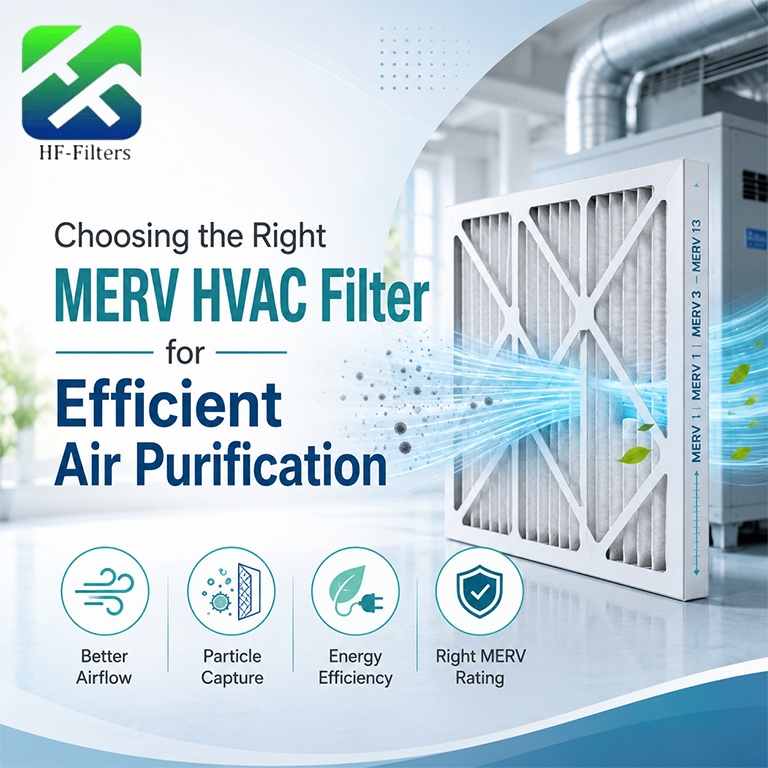
Opt for a MERV rating that’s too low, and indoor air purification won’t do its job. Harmful contaminants will keep circulating freely inside the building.If you overchoose an excessively high rating, it’ll end up severely limiting air circulation.This puts extra strain on HVAC fan units, running them nonstop at higher load and ultimately pushing up your monthly energy expenses.
For most commercial and light industrial environments, standard Cardboard Frame Filter options are the go-to choice. Unlike flimsy disposable filters that bend, warp or leak air, a quality Cardboard Frame Filter holds its shape firmly inside air handlers and duct slots. It creates a tight seal, prevents unfiltered air bypass, and ensures your chosenMERV Filter rating actually performs as advertised. I’ve audited dozens of systems where poor frame quality ruined filtration performance—even with a decent MERV rating installed.
How to Match MERV Filter Ratings to Your Actual Needs
Understanding tiered MERV Filter performance is key to smart Air Purification and HVAC maintenance. No need for over-engineering; just match the rating to your space type.
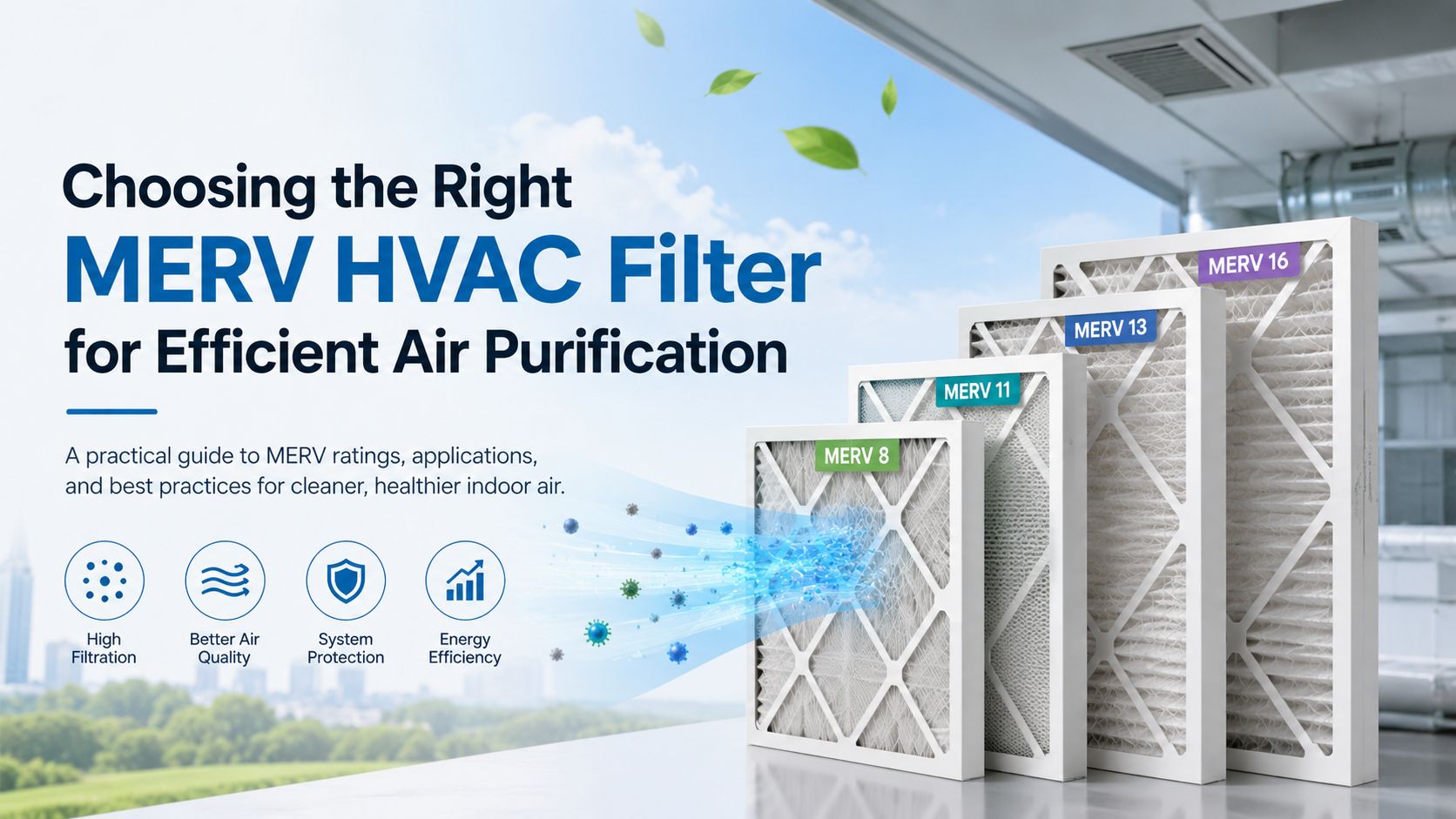
MERV 1–4: Basic protection
These entry-level HVAC Filter models only capture large debris like hair, lint and big dust particles. Ideal for low-traffic warehouses or auxiliary spaces where serious Air Purification is not required. Most basic Cardboard Frame Filter products fall in this range, perfect for simple equipment protection rather than air quality improvement.
MERV 5–8: The sweet spot for most buildings
This is my most recommended rating for offices, retail spaces, restaurants and general commercial buildings. These MERV Filter variants trap fine dust, pollen, mold spores and minor airborne irritants, delivering noticeable Air Purification without sacrificing airflow. A well-built Cardboard Frame Filter in this grade offers the best balance of performance, affordability and low resistance for standardHVAC Filter systems.
MERV 9–12: Advanced commercial filtration
Suited for clinics, labs, clean workspaces and high-traffic commercial areas. This MERV Filter range filters ultra-fine particles, significantly improving indoor air quality and supporting stricter hygiene standards. Only use these if your HVAC system is designed to handle higher resistance—older systems often struggle with high-density HVAC Filter media.
MERV 13+: Medical and industrial high-grade filtration
Reserved for hospitals, pharmaceutical areas and controlled clean environments. While excellent for premium Air Purification, these dense filters are overkill for regular commercial buildings and will cause airflow issues if mismatched.
Why Cardboard Frame Filter Build Matters for Long-Term Performance
Many users overlook frame quality, but it directly impacts your entire HVAC Filter performance. Low-quality filters bend under system pressure, creating gaps that let unfiltered air sneak through. Even a high-tier MERV Filter becomes useless with poor framing.
A sturdy Cardboard Frame Filter solves this issue completely. It maintains structural rigidity during long operating cycles, fits snugly in standard HVAC slots, and delivers consistent Air Purification from installation to replacement. Lightweight, eco-friendly and cost-efficient, this frame style is the most practical option for regular filter replacement cycles in commercial and industrial buildings.
Common MERV Filter Mistakes to Avoid
The biggest mistake is blindly upgrading MERV ratings. Many facility managers install high-grade MERV Filter units hoping for better Air Purification, only to face frozen coils, weak airflow and higher electricity bills.
Another frequent issue is using poorly structured filters. Without a rigid Cardboard Frame Filter base, media shifts and gaps form, rendering your chosen HVAC Filter ineffective. Always pair your correct MERV rating with solid build quality.
Final Thoughts
Effective Air Purification never comes from random filter upgrades. It comes from choosing a properly rated MERV Filter that matches your HVAC capacity and indoor air demands. Equipped with a reliable Cardboard Frame Filter structure, your HVAC Filter system will run efficiently, extend equipment lifespan, and maintain steady indoor air quality year-round.
For most commercial users, MERV 8 cardboard frame filters remain the most practical, cost-effective and high-performance choice for daily building ventilation.
FAQ
What is the best MERV rating for standard HVAC air purification?
For most commercial buildings, MERV Filter 8 is the ideal balance. It delivers solid Air Purification without straining your HVAC Filter system, especially when built with a rigidCardboard Frame Filter.
Is a cardboard frame HVAC filter durable enough for industrial use?
Yes. Premium Cardboard Frame Filter designs offer enough rigidity for standard industrial and commercial HVAC operation, ensuring stableAir Purification and no air leakage.
Does a higher MERV filter always mean better air quality?
No. Over-rated MERV Filter products restrict airflow, damage HVAC systems and reduce overall filtration efficiency. Always match the rating to your system capacity.