
You can’t just pick any spray booth filter that fits in the slot.The one you choose directly affects how smooth your finished coats are, how long your equipment lasts, whether you meet regulations, and how much you spend over time.After working with small auto body shops and industrial coating operations, I’ve seen way too many teams waste money on the wrong filters. Or they end up fighting orange peel, stuck‑on overspray, and poor airflow just because they didn’t match the filter to their setup.
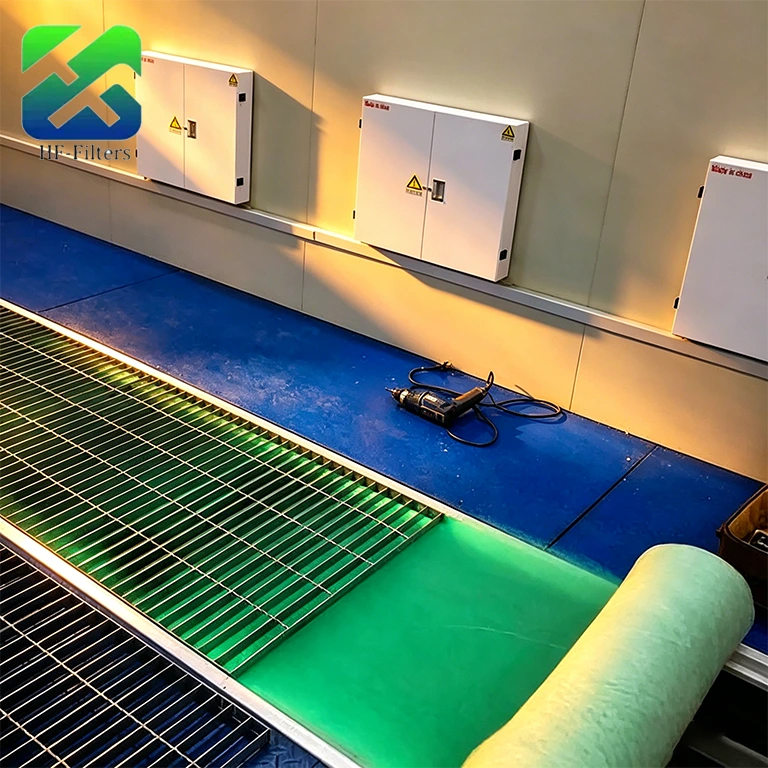
Every spray booth runs on two filter stages, and they need different media.
Intake filters clean incoming air to keep dust, dirt, and pollen off wet paint. A subpar intake filter causes visible defects in finished parts.
Exhaust filters capture overspray before it hits fans, ducts, or the outside environment. This is where paint stop filter and high-capacity media do the heavy lifting.
Mixing them up leads to weak airflow, quick clogging, and unsafe emissions.
Match Media Type to Your Workload
Not all filter material performs the same. Here’s how to choose based on real usage.
Fiberglass Filter
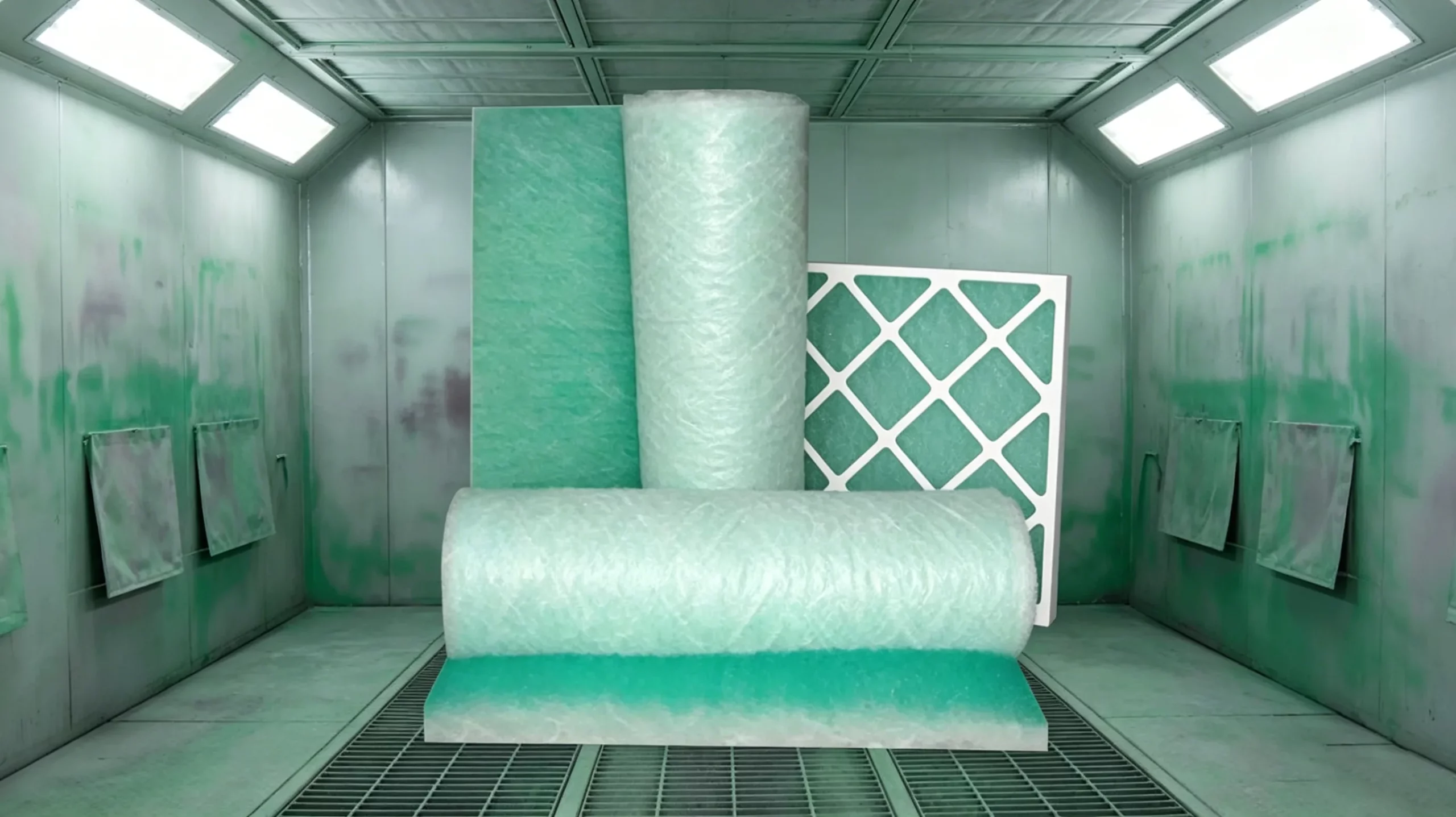
Fiberglass filter is the most widely used for general-purpose spray booths. It’s lightweight, low-cost, and offers consistent airflow with decent overspray holding capacity.Best for: light to medium spraying, furniture finishing, small-body touch-ups, and standard solvent-based coatings.It works because the loose, layered structure catches paint particles without choking airflow too quickly.
a fiberglass filter media air filter
For higher-volume shops, a fiberglass filter media air filter (often in roll or thick pad form) brings better dust-holding, longer service life, and better resistance to paint saturation. Ideal for daily production spraying where standard thin pads clog too fast.
Paint Stop Filter
Paint stop filter is engineered specifically for exhaust-side overspray control. It’s denser, designed to trap wet paint mist without dripping or releasing particles back into the booth.Non-negotiable for: automotive basecoat/clearcoat, high-solid coatings, and heavy overspray conditions. It prevents paint buildup on fan blades that causes imbalance and early failure.
Key Performance Metrics That Actually Matter
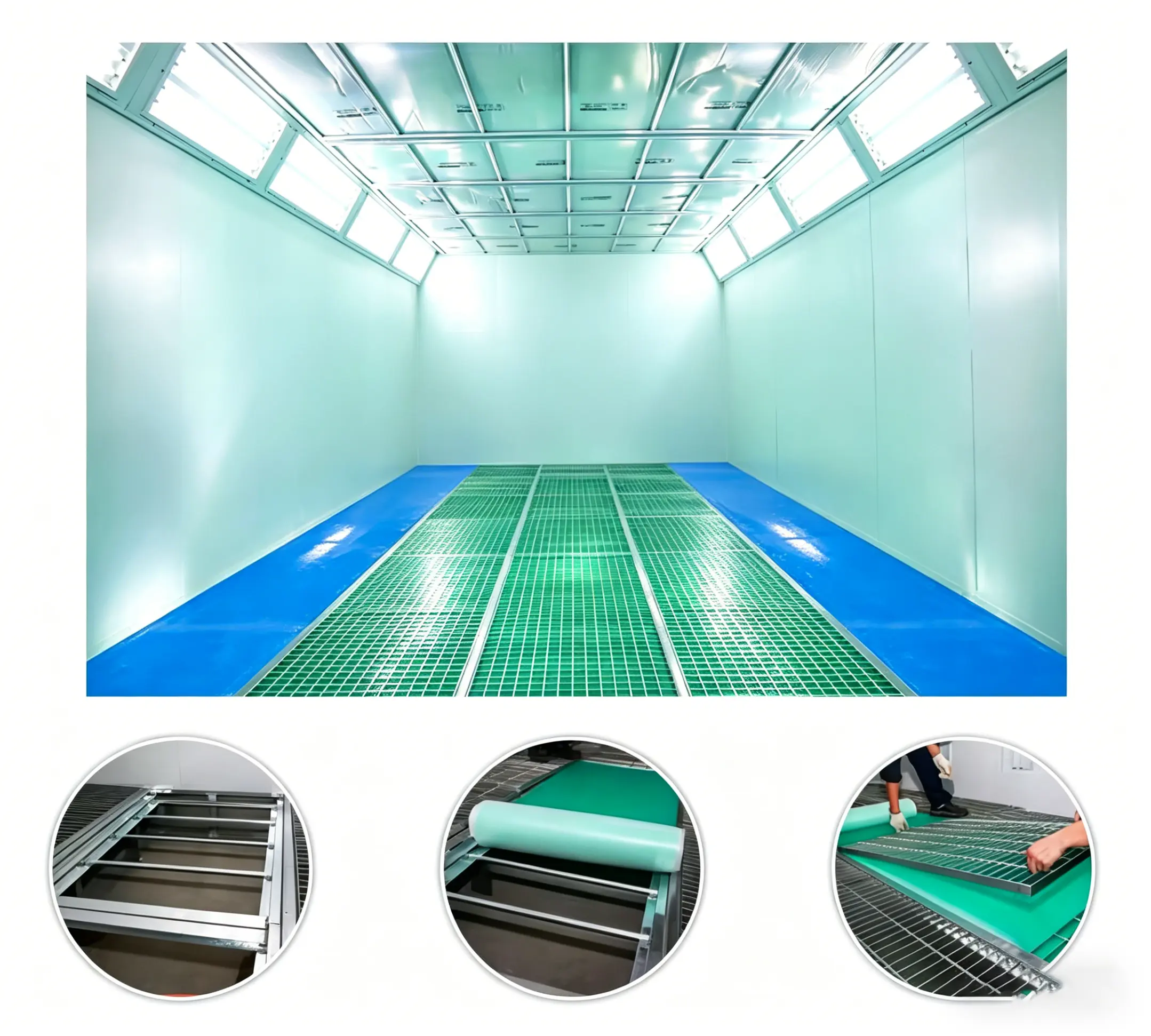
Skip the marketing fluff — focus on these four real-world specs:
Airflow resistance (pressure drop)
Too much resistance makes your booth work harder, raises energy use, and disrupts spray patterns. Low-to-moderate restriction is ideal for most setups.
Dust-holding capacity
Determines how long you can run before spray booth filter changes. Higher capacity means fewer shutdowns and lower labor cost.
Media stability
Paint-laden filters must hold their shape. Sagging or breaking media lets overspray bypass filtration entirely.
Compliance rating
Local environmental rules often mandate minimum efficiency for exhaust filters. Verify before buying to avoid fines.
Simple Matching Guide for Common Setups
Light use (hobby, small woodwork)
Basic fiberglass filter intake + lightweight paint stop exhaust
Medium production (auto body, general metal coating)
a fiberglass filter media air filter intake + heavy-duty paint stop exhaust
Heavy industrial (high-volume parts, high-solid paints)
Multi-layer synthetic intake + high-capacity exhaust paint stop filters
When to Replace Your Spray Booth Filter
Don’t wait for visible blockage. Replace when:
Airflow visibly drops at the spray face
Filter surface is fully saturated with overspray
Pressure drop rises beyond the booth’s recommended range
Media tears, sags, or starts releasing particles
Delayed replacement ruins finishes, damages equipment, and puts your team at risk.
Final Thoughts
Choosing a spray booth filter is about balance: enough efficiency to catch overspray and dust, but not so much that it strangles airflow. For most shops, a structured combination of fiberglass filter intake media and paint stop filter exhaust media delivers consistent results at a manageable cost.
Take five minutes to match media to your booth type and spray volume — it will save far more in reworks, downtime, and equipment repairs than any cheap generic filter ever could.
FAQ
What’s the difference between a fiberglass filter and paint stop filter?
Fiberglass filter balances airflow and basic capture, often used for intake. Paint stop filter is denser, built exclusively for exhaust-side overspray control.
How do I know if I need a fiberglass filter media air filter?
Choose a fiberglass filter media air filter if you spray daily, see rapid clogging, or operate a medium-to-high production booth.
Can I use the same filter for intake and exhaust?
Not recommended. Intake needs clean, low-restriction media; exhaust needs high-capture paint stop media to contain overspray.