
When activated carbon comes to mind, most people thick about irregular black pellets. They are crushed, lopsided, and instantly recognizable. This traditional form has existed for decades, and it performs its basic function effectively.
Consistency, precision and ultra-clean performance change the game, though. Those rough, unrefined particles start to reveal their shortcomings in such cases. A more carefully engineered option is steadily growing in popularity: spherical activated carbon. What Makes Spherical Activated Carbon Unique?
Natural materials—coconut shells, coal, or wood—are the source of conventional activated carbon. Its structure relies largely on both the raw material used and the activation method applied. Variability is therefore difficult to prevent: particle sizes vary, dust forms readily, and pore distribution often lacks uniformity.
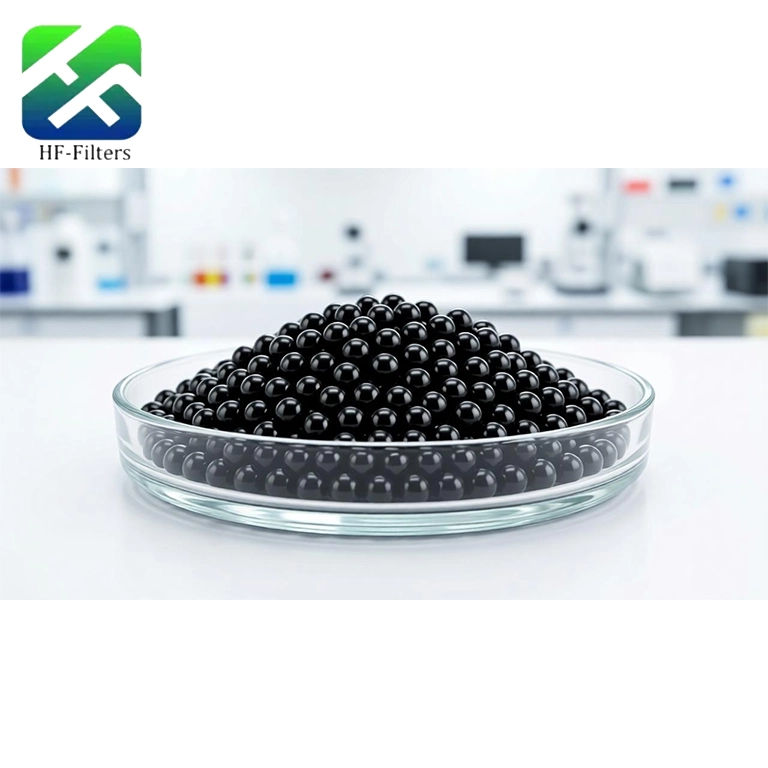
Spherical activated carbon (SAC) takes a different path. It starts with synthetic polymers such as phenolic resin or polyimide. Through controlled processing, these materials are shaped into uniform spheres with a highly consistent internal structure. The result is not just a cleaner shape — it’s a more predictable material. Smooth, spherical particles improve flow behavior and enable tighter, more uniform packing Pore structures can be adjusted with precision, balancing micro-, meso-, and macropores for specific targets Surface area can reach up to 2000 m²/g, exceeding most conventional carbons Stronger particles mean less breakage and almost no dust generation Surface chemistry can be modified to match different adsorption needs Performance remains stable even after repeated regeneration cycles In other words, SAC isn’t simply a different form of carbon — it’s designed from the ground up to perform consistently. Where It Makes the Biggest Difference
Where It Has the Greatest Impact
Air and Gas Purification
In advanced purification environments—such as semiconductor facilities and premium home air systems—reliable performance is essential. Evenly packed media helps reduce pressure drop, while low dust levels protect downstream sensitive parts. When dealing with VOCs like formaldehyde and benzene, SAC generally provides more consistent and effective adsorption.
Medical Applications (Hemoperfusion)
Blood treatment systems operate under extremely strict conditions, where consistency and cleanliness of particles are essential. In these settings, spherical activated carbon is used to remove substances such as creatinine and vitamin B12, offering both strong adsorption and reliable biocompatibility. A higher surface area supports the capture of small molecules, while well-developed mesopores enhance the removal of medium-sized compounds. This balance is one reason why many leading medical device manufacturers choose SAC.
Military & Chemical Protection
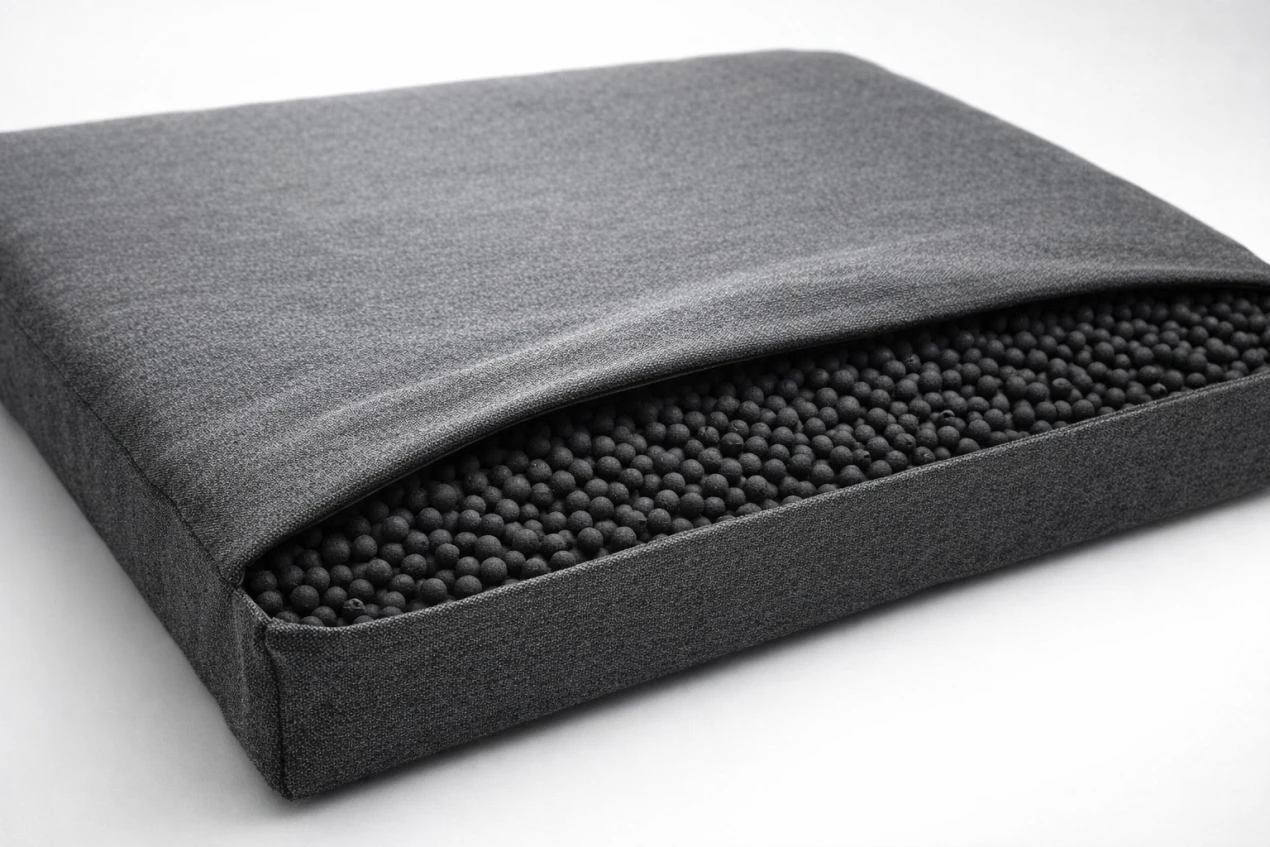
Protective clothing needs both durability and strong adsorption efficiency. Spherical activated carbon can be integrated into fabrics, providing robust defense against toxic substances while keeping the material comfortable and washable. It’s already used in several defense-related applications.
Specialized Wastewater Treatment Certain contaminants are difficult to remove with conventional carbon. In cases like RDX treatment, SAC has demonstrated the ability to reduce concentrations to very low levels with greater consistency — a critical factor in regulated industries.
Why More Industries Are Moving Toward Engineered Carbon
Across these applications, one pattern is clear: performance requirements are getting tighter. Variability — once acceptable — is now a risk.
For companies working in regulated or performance-critical environments, those advantages are hard to ignore.
At Shenzhen Healthy Filters Co., Ltd., we focus on turning advanced materials into practical filtration solutions. While we don’t manufacture spherical activated carbon ourselves, we work closely with high-quality suppliers and integrate SAC into finished filter products. Production is carried out in controlled environments. Performance is verified in our CADR lab. And with decades of experience, we know how to scale from prototypes to full production without compromising material qulity. If you’re considering spherical activated carbon for your next project — or already using it and looking for a reliable manufacturing partner — I’d be glad to exchange ideas.