
The development of air filter materials has reshaped the ways industries control air quality and environmental protection. From basic cloth barriers to sophisticated nanofiber layers, each step forward has enhanced filtration effectiveness substantially. In the present day, practical options exist that harmonize performance, expense, and eco-friendliness in fields such as production, medical services, and household areas.
If you seek a dependable ally in this domain, Healthy Filters distinguishes itself as an expert producer that supplies versatile, budget-friendly filtration arrangements for factory and domestic purposes. Their proficiency extends from HEPA filters and activated carbon media to synthetic fiber composites, all reinforced by stringent quality measures and international validations. With activities reaching North America, Europe, and Asia, Healthy Filters blends engineering skill with attentive client support, which renders them a suitable collaborator for your forthcoming air cleansing endeavor.
The Evolution of Air Filter Materials in Modern Industry
Historical Overview of Air Filter Materials
Air filtration started with straightforward natural cloths like cotton or wool in initial ventilation setups. Such materials faced constraints from weak dust retention and fast obstruction. When industrial growth intensified, the requirement for sturdier, more capable materials prompted the adoption of man-made options.
The shift toward synthetic fibers signified a significant advancement. Polypropylene (PP) melt-blown nonwoven fabrics emerged as the norm because they delivered strong efficiency with reduced resistance. PP filter paper generally derives from melt-blown nonwoven fabric, featuring a melting point of 120°C and traits that permit washing, even if it resists water poorly. Consequently, this substance rapidly displaced conventional cloth thanks to its affordability and consistent results.
Subsequently, layered composites appeared, merging several strata for improved particle seizure progression. The debut of glass fiber filter paper elevated efficiency markedly, since glass fiber filter paper attains levels up to 99.9999% but proves fragile and unwashable. These strides established the groundwork for current HEPA methods.
Characteristics of Modern Air Filter Materials
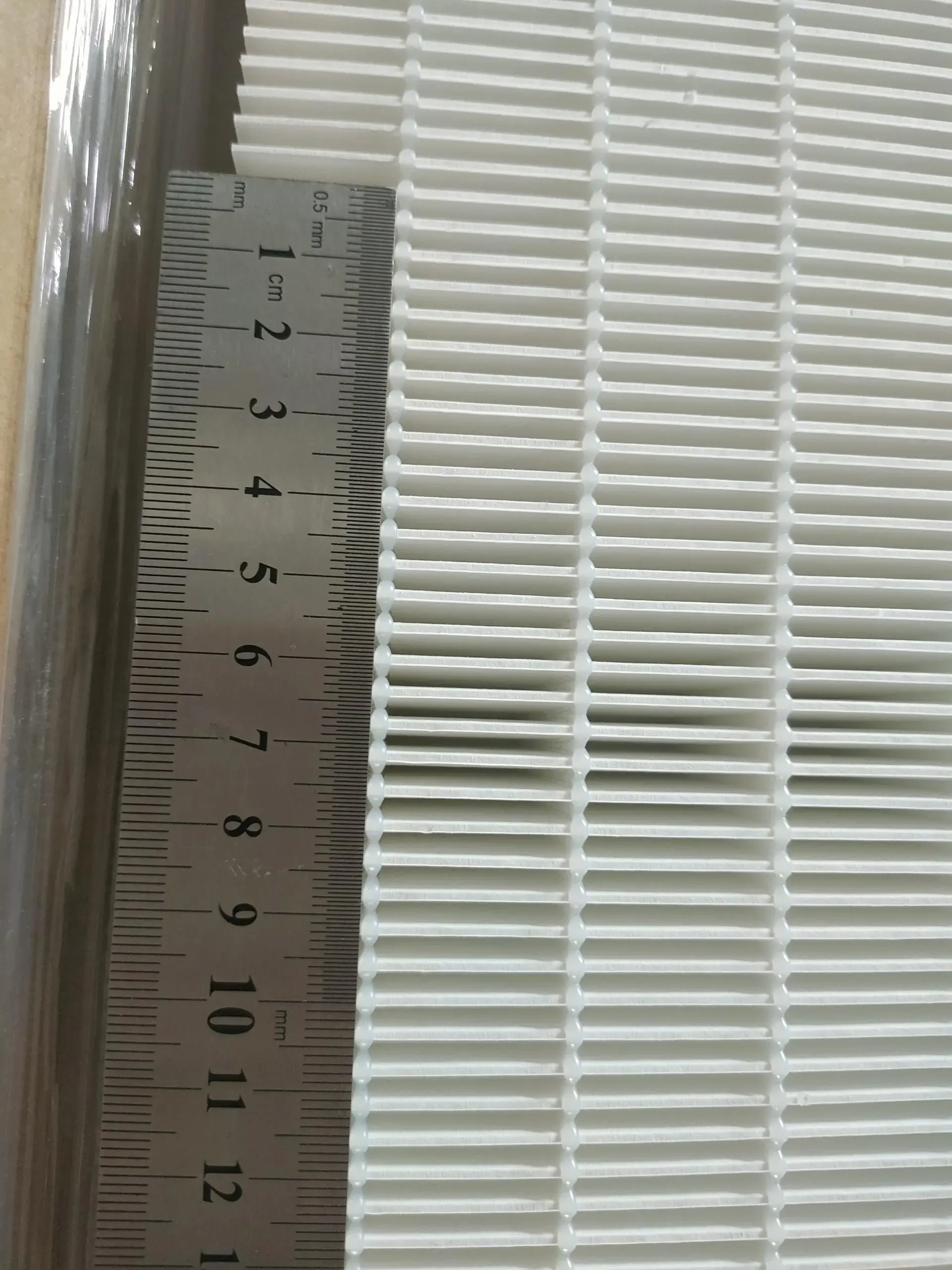
Contemporary filtration substrates unite exact design with ecological mindfulness. Performance holds as the chief concern, whereby HEPA filters qualify globally by trapping 99.97% of particles at 0.3 microns as air flows unhindered. Endurance counts equally, for substances like PET nonwovens withstand distortion across successive wash rounds.
Sustainability draws further emphasis too. Numerous present items aim for prolonged duration or reusability, thereby lessening refuse from constant substitutions. Man-made fibers such as PP+PET blends have gained traction since they furnish robust performance with diminished pressure decline versus uniform-material variants.
Innovative Developments in Air Filter Technology
Filtration in our era goes beyond simple dust containment; it embraces cleverness and versatility. Advanced sensor systems presently observe pressure decline or particle burden instantaneously, which assists in swapping filters solely as required rather than per set intervals. This method promotes efficiency in upkeep and prolongs operational life.
Electrostatic capture methods have progressed likewise, where electrified fibers draw minute particles more potently without elevating airflow barriers. Concurrently, nanotechnology has overhauled the discipline, as Healthy Filters underscores nanofiber approaches as pivotal for securing extremely fine particle retention alongside solid airflow. Nanofibers form expansive surface expanses at minuscule dimensions, thus bolstering both physical obstruction and charged pull.
Comparison of Common Air Filter Materials
Man-made fibers exceed natural counterparts in numerous industrial contexts owing to their regulated pore dimensions and chemical steadiness. Natural fibers endure in specialized applications where decomposability proves vital, yet they seldom rival the resilience of synthetics.
HEPA filters surpass routine media because they eradicate virtually all suspended particulates, encompassing germs and vapors, devoid of major energy costs when constructed aptly. To illustrate, PP+PET composite media yield equilibrated outcomes, since PP+PET composite filter paper delivers efficiencies of 99.5%–99.97%, forbids washing, and displays the minimal resistance among superior-efficiency types. Hence, they fit ideally for small-scale cleansers where air circulation limits persist but cleanliness standards remain elevated.
Healthy Filters’ Product Offerings and Advantages
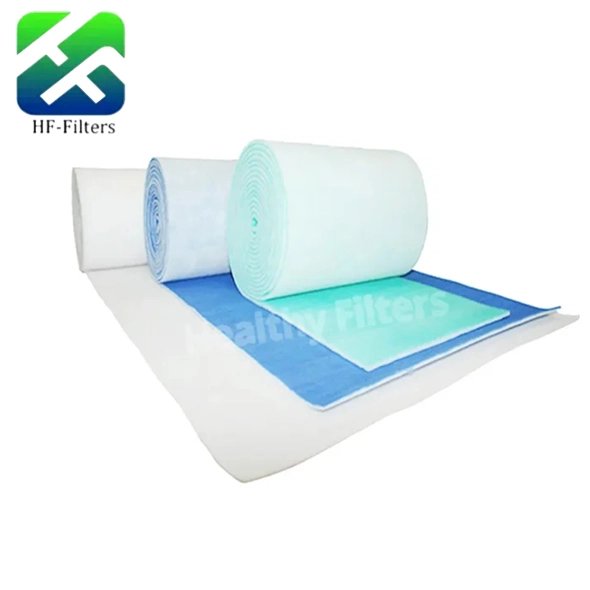
Among prominent offerings lies the G2-G4 Pre Filter Media. This painting stop filter media seizes paint mist particles capably while upholding even airflow inside spray enclosures. It derives from capable synthetic fibers employing gradient density methods for substantial dust retention and slight preliminary resistance, which suits preliminary filtration in air conduits or painting locales needing orderly function.
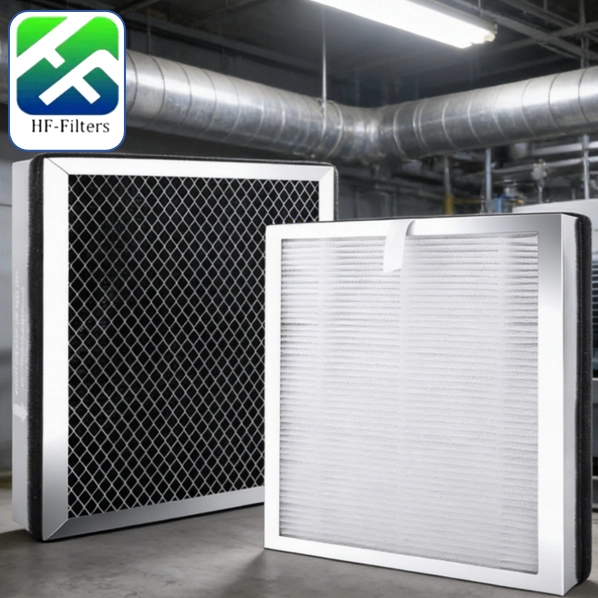
For more precise cleansing demands, the H12 H13 Customized Air Purifier Filters demonstrate progressive stratified assembly that integrates pre-filter, HEPA stratum, and activated carbon phase. These filters dispel 99.97% of contaminants to 0.3 microns and mitigate scents via a combined charcoal stratum. They find broad application in home cleansers, yet adapt readily to clinical or lab surroundings that necessitate steady particle oversight.
Partnering with Healthy Filters for Optimal Solutions
Healthy Filters establishes itself as a foremost air filter producer furnishing comprehensive solutions, upheld by progressive manufacturing apparatus and worldwide approvals including CE, ROHS, SGS, FCC, ETL, and UL. Their outlook stresses engineering novelty coupled with client-centered aid, a blend that cultivates lasting confidence across all alliances.
Through straightforward cooperation via their solutions page, you secure personalized guidance over varied sectors, from labs to food handling facilities, all crafted to suit your distinct air flow states and pollution hurdles.
Their ethos mirrors authentic ecological dedication as well; per their company culture statement, the group prizes sustainability, inclusiveness, and perpetual expansion, tenets that harmonize seamlessly with contemporary green production objectives.
To investigate dissemination prospects or OEM joint efforts internationally, access their distributor page, where brief delivery periods (usually five to seven days) align with viable pricing frameworks geared toward enduring ties.
FAQ
Q1: What makes PP+PET composite material effective for air filters?
A: PP+PET composite filter paper achieves efficiencies between 99.5%–99.97% with lower resistance than other high-efficiency papers though it cannot be washed.
Q2: How does HEPA differ from standard filters?
A: True HEPA is defined as capturing 99.97% of particles at 0.3 microns while allowing air flow through freely.
Q3: Why are fiberglass papers still used despite being fragile?
A: They offer unmatched efficiency levels up to 99.9999%, essential in cleanrooms or medical facilities where maximum purity outweighs durability concerns.
Q4: Can pre-filters like G2–G4 grades be reused?
A: Yes; many coarse pre-filters use partially washable polyester fibers designed for multiple cleaning cycles without losing structural integrity or airflow performance.
Q5: What industries benefit most from customized HEPA designs?
A: Laboratories, hospitals, semiconductor plants, food processing lines, and residential purifiers all rely on tailored HEPA configurations optimized for their specific particle loads and space constraints.