
You face a daily choice in keeping indoor air clean: stick with the original filter from your equipment maker or explore third-party options that promise similar results for less. Efficiency decides everything, from how well particles vanish to how often you replace filters and how much energy your system uses. Healthy Filters, a Shenzhen-based specialist since 2016, bridges both worlds. Certified ISO9001 with a 30-cubic-meter CADR lab and clean-room production, the company ships HEPA, medium-efficiency, and custom solutions worldwide from its USA warehouse in Nashua. Whether you need exact-match OEM designs or cost-effective aftermarket replacements, explore their full range at Healthy Filters.
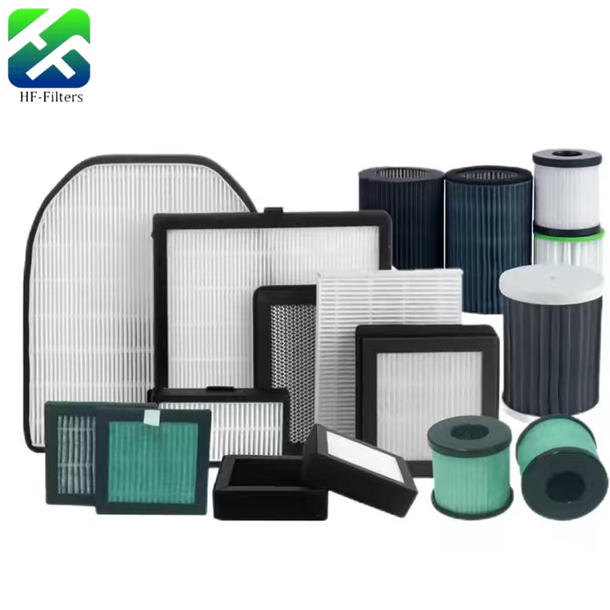
What Exactly Are OEM and Aftermarket Air Filters?
Original equipment manufacturer filters come from the same factory that built your HVAC unit or air purifier. Engineers design them for seamless fit and validated performance under lab conditions. Aftermarket filters, built by independent specialists, match those dimensions and ratings while often adding practical upgrades like extra carbon layers.
Definition of OEM Filters
These filters carry the equipment maker’s stamp. They use materials tested across thousands of runtime hours to guarantee MERV or HEPA ratings without voiding warranties.
Definition of Aftermarket Filters
Third-party makers replicate the same pleat counts, frame sizes, and media grades. Premium versions meet EN779 or ASHRAE 52.2 standards yet cost 30 to 50 percent less.
Initial Efficiency Distinctions
Particle capture starts identical at certified levels. An H13 aftermarket HEPA still traps 99.97 percent of 0.3-micron particles, while an F7 medium box holds 85 percent of 0.5-micron dust. Real-world gaps appear in dust-holding capacity and pressure rise over time.
How Does Particle Capture Efficiency Differ?
You want filters that grab dust, pollen, mold, and smoke without letting anything slip through. Standards measure this precisely: G1 to G4 by weight for coarse dust larger than 5 microns, F5 to F9 by particle count for 0.5 to 5 microns, and H10 to H14 by most-penetrating particle size for submicron threats.
HEPA and MERV Rating Comparisons
HEPA is a high-efficiency filtration standard in Europe, with the core requirement of filtering at least 99.97% of particles as small as 0.3 microns. MERV is a filtration rating standard for air conditioning/ventilation systems in North America, ranging from 1 to 20 levels, focusing on particles between 0.3 and 10 microns.
Pollutant Removal Effectiveness
Activated carbon stages in aftermarket designs neutralize odors from pets or cooking. Pre-filters snag hair and large debris, protecting the main layer and sustaining efficiency longer.
Brand-Specific Performance Insights
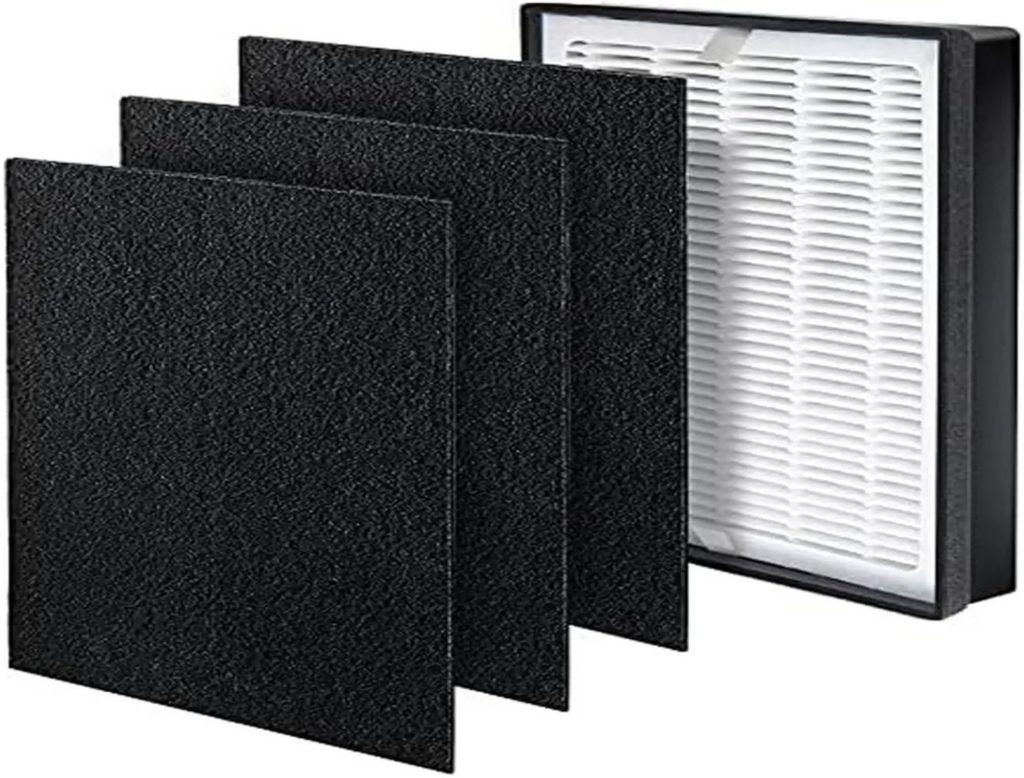
The Air Purifier HEPA Filter delivers three-stage cleaning: pre-filter, H13 HEPA, and actived carbon filter, matching original capture rates while extending life to 6-8 months in typical homes.
What About Airflow and System Compatibility?
Air must move freely or fans work harder, raising energy bills. Initial resistance below 50 Pa keeps pressure drop low; final resistance signals replacement.
Pressure Drop Variations
OEM filters average 50 to 80 Pa at rated airflow. Quality aftermarket units stay within 50 to 120 Pa across F5 to F9 grades.
Material and Design Impacts
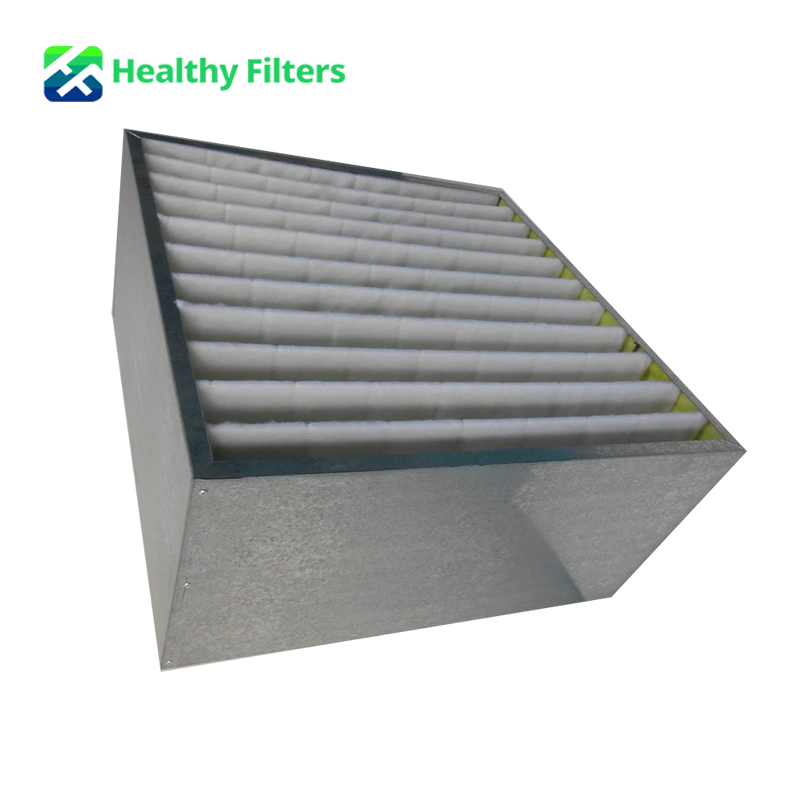
Chemical-fiber non-woven media in box filters supports 2890 cubic meters per hour at 592×592×292 mm. The aluminum frame/galvanized frame is corrosion-resistant and more stable, and the sealant and gasket prevent air leakage.
Energy Consumption Outcomes
Low resistance cuts motor strain by 10 to 15 percent yearly. The Medium Efficiency Box Air Filter maintains 50 Pa initial drop and holds up to 803 grams of dust, rivaling originals in commercial ducts.
How Do Longevity and Durability Stack Up?
Filters clog eventually. Dust-holding capacity and replacement intervals determine true cost.
Dust Holding Capacities
F5 boxes store 803 grams per square meter; F9 reaches 491 grams. Pre-filters in HEPA units trap coarse particles first, sparing the fine layer.
Replacement Frequency Factors
Clean homes need changes every 9 to 12 months. Pet areas or smoky kitchens demand 4 to 6 months. Washable pre-layers stretch intervals.
Maintenance and Cleaning Ease
Polyester pre-filters rinse clean. PTFE or PP+PET composites resist moisture and repeat use without efficiency loss.
Is There a Cost-Efficiency Trade-Off?
Upfront price tempts many buyers, yet total ownership reveals the real story.
Pricing Structure Breakdown
OEM units range from $60 to $120. Aftermarket equivalents land at $25 to $55 with identical MERV or HEPA grades.
Long-Term Value Assessment
Higher dust capacity delays replacements. Lower pressure saves 5 to 10 percent on electricity over a year.
Budget-Friendly Alternatives
The HEPA Air Filter Replacement extends downstream HEPA life by 25 percent through polyester non-woven pre-filtration, cutting annual spend.
Why Opt for Customizable Filter Solutions?
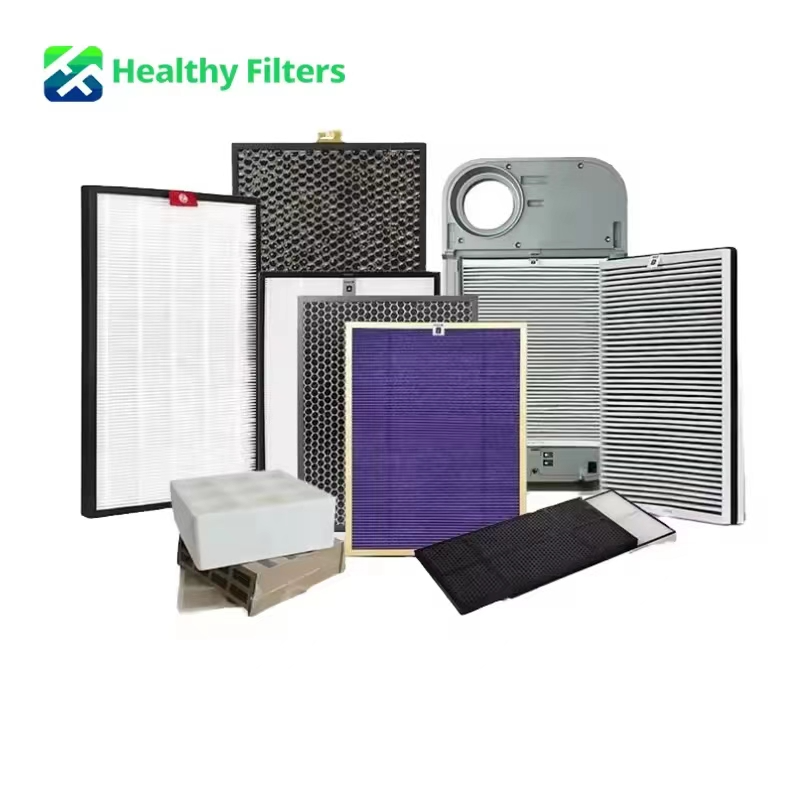
One size rarely fits every building. Tailored media and frames solve unique challenges.
Tailored Efficiency Enhancements
Adjust thickness from 120 to 220 mm or add antibacterial coatings. Nano-silver layers inhibit bacteria growth above 99 percent.
Hybrid OEM-Aftermarket Blends
Order exact OEM specs at aftermarket prices. Production lines switch seamlessly between custom runs and standard replacements.
Manufacturer Expertise Benefits
In-house CADR labs verify performance. Free A4 samples let you test before bulk orders.
Ready to Upgrade with Healthy Filters?
Start simple. Match your system to proven products and scale from there.
Comprehensive Product Offerings
Medium box filters serve commercial HVAC. HEPA replacements fit home purifiers. Custom lines cover niche needs.
Proven Aftermarket Reliability
Every unit meets CE, ROHS, and SGS standards. USA warehouse stock ships next day.
OEM Partnership Opportunities
Low minimums and fast lead times suit private-label projects. Factory tours showcase needle-punch, melt-blown, and pleating lines.
FAQ
Q1: Do aftermarket filters void equipment warranties?
A: Most manufacturers accept replacements meeting original MERV or HEPA ratings. Check your manual; premium aftermarket units include compliance certificates.
Q2: How often should medium-efficiency box filters be changed in offices?
A: Replace every 6 to 9 months under normal loads. High-traffic spaces or dusty seasons need checks every 3 months.
Q3: Can HEPA filters be washed?
A: True HEPA layers cannot. Pre-filters in three-stage designs rinse clean, extending main filter life to 8 months.
Q4: What raises pressure drop fastest?
A: Fine dust under 1 micron clogs pleats. Pre-filters and gradual density structures slow the rise.
Q5: Why choose F7 over F8 for general ventilation?
A: F7 balances 85 percent capture at 0.5 microns with lower resistance and higher dust holding, ideal for cost-sensitive medium loads.