Let me keep this real—if you’re managing an HVAC system, clean room, or industrial ventilation setup, you don’t need fancy filters with over-the-top claims. You just need ones that work, last, and keep your operations safe, efficient, and up to code.
After 12+ years working with facility managers, industrial engineers, and clean room operators, I’ve tested hundreds of filters to separate the “hype” from the “must-haves.” Today, I’m breaking down the four essential ones that actually deliver on their promises—no jargon, no fluff, just straight talk about what works for real-world setups.
- Pre-Filter Material: The Unsung Hero of Long-Term Savings
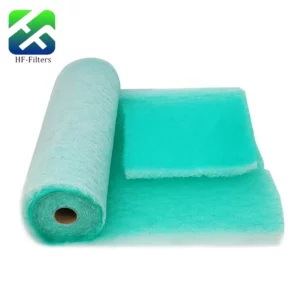
First things first: A good pre-filter is non-negotiable for any HVAC or industrial system. It’s the cheapest, simplest way to make your more expensive filters last longer and cut down on maintenance costs over time—no question about it.
Here’s how it works: Pre-filters are your first line of defense. They catch all the big stuff—dust bunnies, lint, debris, and coarse dust—before that gunk clogs up your main filters. The best ones I’ve found are made from tough synthetic fibers (polyester or polypropylene), so you can just rinse them off, let them air dry, and reuse them. And they don’t block airflow, which is key.
You don’t need to get bogged down in specs, but I’ll share what I look for: something that catches most of the big particles (5 microns and up) and doesn’t slow down your system.
I’ve seen too many facility managers skip out on a quality pre-filter to save a few bucks, only to replace their main filters 2–3 times more often than they need to. Trust me: Spending a little extra on a good pre-filter pays for itself in 3–6 months. You’ll save on replacements and keep your system running smoothly—win-win.
- Mini Pleat Filter: Compact Size, No Compromise on Performance
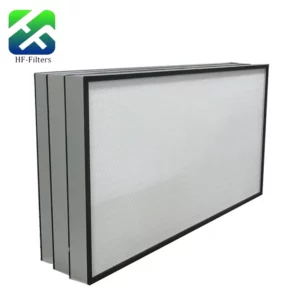
If you’re working with tight spaces—like compact HVAC units, small clean rooms, or lab ventilation—mini pleat filters are your best bet.
I get it: When space is tight, it’s easy to think you have to sacrifice how well the filter works. But these little guys solve that problem. They’re folded tight, so they fit in tiny slots, but the folds mean they have plenty of surface area to catch small particles that pre-filters miss.
I use these all the time for electronics manufacturing clean rooms, lab fume hoods, and small commercial HVAC units—anywhere every inch matters. And of course, I pair them with a pre-filter to make them last even longer.
You don’t need to overcomplicate it—just look for one that fits your space and catches the smaller dust (around 1 micron) without making your fan work too hard.
- Synthetic Pocket Filter: The Workhorse for High-Dust Industrial Spaces
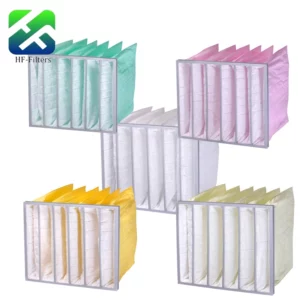
For larger industrial setups—manufacturing plants, commercial kitchens, warehouses, or any place with a lot of dust—the synthetic pocket filter is the workhorse you need.
They’re made from the same tough synthetic fibers as the good pre-filters I mentioned, but the pocket design (usually 4–12 pockets per filter) gives them way more room to hold dust. That means they don’t clog up as fast, so you won’t be replacing them every few weeks.
What I love about these for industrial use is that they keep airflow consistent even as they collect dust. They also hold up well in humid environments, which is perfect for commercial kitchens or food processing plants.
Again, no need for fancy specs—just know that they’re built to handle heavy dust loads and last 3–6 months (depending on how much dust is in your space).
I recommend these to all my clients with busy industrial systems. They’re low-maintenance, durable, and keep your ventilation running well without constant replacements.
- Flame Prevention Filter: Safety Isn’t Optional (Especially for High-Heat Environments)
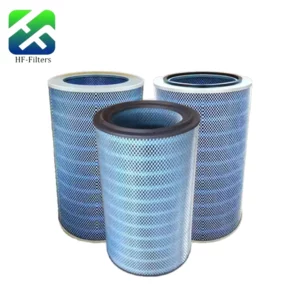
If your operation involves high heat—commercial kitchens, factories with ovens, drying systems, or welding areas—a flame prevention (or fire-retardant) filter is a must. Safety should never be a shortcut, and this filter is your first line of defense against duct fires.
Here’s the truth: Standard filters can catch fire if they’re exposed to sparks, grease, or high temperatures. Once a fire starts in your ducts, it spreads fast. Flame prevention filters are made from fire-resistant materials that won’t ignite, and they stop flames from spreading through your ventilation system.
Pair one with a synthetic pocket filter and a pre-filter, and you’ve got a setup that works well and meets fire safety rules (like OSHA and NFPA 96 for commercial kitchens).
You just need one that’s rated to handle high heat (I look for ones that work up to around 120°C) and fits your system.
I’ve seen too many close calls because facility managers cut corners here—don’t let that be you. A flame prevention filter is a small investment for peace of mind and staying compliant.
How I Recommend Using These 4 Filters Together (Super Simple, Proven Setup)
I don’t overcomplicate filtration—here’s the go-to setup I use for 90% of the industrial and HVAC systems I work with:
- Pre-filter: Catches the big debris, protects your other filters, and saves you money on replacements.
- Synthetic pocket filter: Handles heavy dust loads for large industrial systems (this is your main filter).
- Mini pleat filter: For tight spaces (clean rooms, small HVAC units) where pocket filters won’t fit.
- Flame prevention filter: Adds that critical safety layer for high-heat environments.
Final Takeaway: Keep It Simple, Choose Quality
You don’t need to overthink industrial HVAC filtration. These four filters cover every base—durability, efficiency, space-saving, and safety—without the hype.
After testing hundreds of filters, I’ve learned one thing: The best ones are the ones that do what they say. Spend a little on quality, and you’ll skip the constant replacements, system breakdowns, and compliance headaches. That’s the real win for any facility manager or engineer.